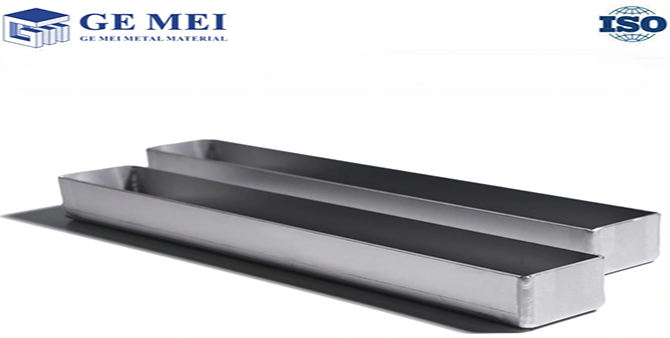
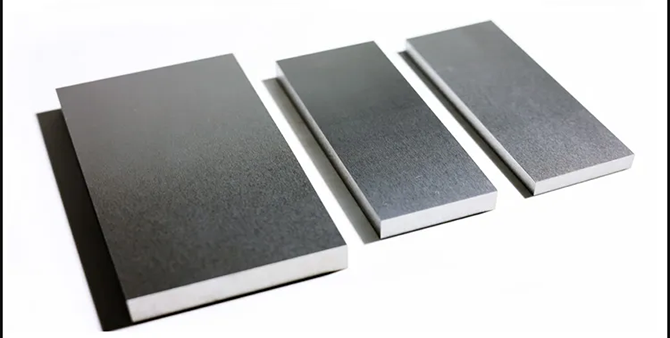
The lifespan of electrodes is determined by multiple factors, including material quality, electrode size, electrical load, glass composition, operating temperature, immersion state, and installation design. Even with high-quality molybdenum electrodes, premature wear may occur if current is excessively concentrated in a smaller area or if parts of a high-temperature electrode are unnecessarily exposed to an oxidizing atmosphere.
Therefore, for glass manufacturing enterprises, the key is not just to choose a heat-resistant metal, but to consider the electrodes, electrode holding system, furnace conditions, and electrical system as a complete working system.
Why are molybdenum electrodes used in glass furnaces?
Electrically assisted melting glass typically involves conducting current into the molten glass through electrodes. The resistance of the glass itself generates heat, achieving heating, clarification, and homogenization of the glass melt.
Molybdenum is widely used in this field because it has a melting point of approximately 2622°C, good electrical conductivity, high-temperature strength, and under appropriate working conditions, good corrosion resistance to various silicate glass melts. For glass production, it is equally important to reduce the risk of electrode material contaminating the glass melt.
For glass melting molybdenum electrodes, these material properties are just the basics. To achieve longer service life, reasonable design and correct use of the electrodes are also required.
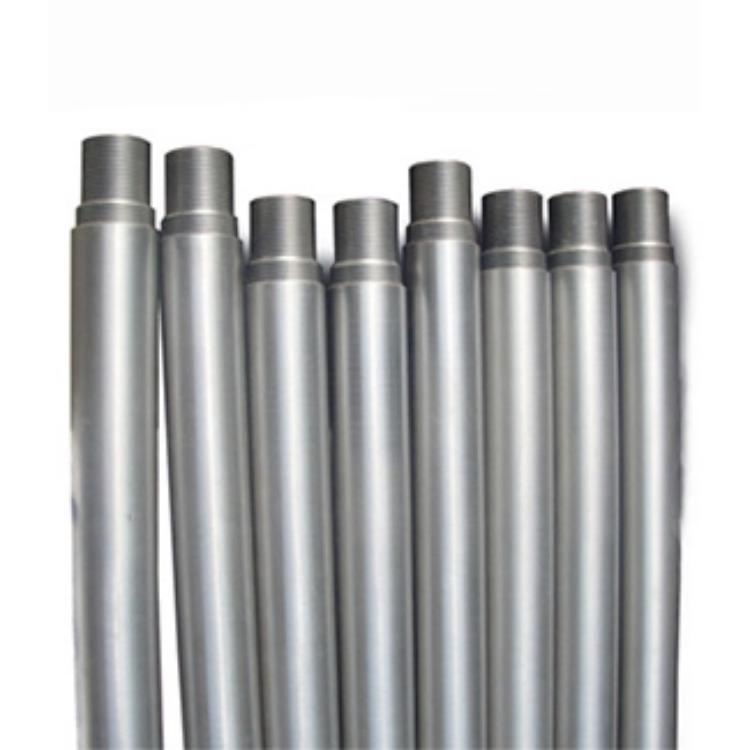
Which design factors have the greatest impact on electrode lifespan?
Before electrodes are installed in the glass furnace, several key design parameters deserve special attention.
Material consistency and purity.
Fluctuations in material quality may affect the high-temperature performance of electrodes and stability between different production batches. GEMEI implements batch inspection on tungsten and molybdenum materials and can customize production according to customer drawings.
Electrode diameter and effective working surface area.
The electrode diameter needs to provide sufficient effective conductive area to meet the power requirements of the glass furnace. If a large electrical load is concentrated on too small an electrode working area, it could cause local heating and accelerate electrode erosion. Temperature and current density are both important factors affecting molybdenum electrode wear.
Length and geometric design of exposed parts.
The effective length immersed in the glass melt should match the furnace structure. Electrodes should not simply be longer but should have an appropriate structure to meet reasonable current and heat distribution requirements.
Surface and dimensional accuracy.
Accurate dimensions, good straightness, reasonable connection structures, and stable machining quality all help ensure the consistency of electrode installation. For tungsten and molybdenum components used in the glass and quartz glass industries, dimensional accuracy and standardized production are also very important.
Therefore, reasonable electrode specifications should not only consider diameter but should comprehensively consider the entire product structure.
| Design Item | Why Important |
|---|
| Material | Affects product consistency and high-temperature performance |
| Diameter | Affects current load and effective working surface area |
| Length | Determines effective immersion depth and installation structure |
| Surface Condition | Affects assembly fit and subsequent processing |
| Connection Design | Affects mechanical connection and electrical contact |
| Tolerance | Helps ensure consistency in replacement and installation |
How do current load, temperature, and glass composition affect electrode wear?
Electrode size cannot be considered in isolation from the actual operating conditions of the glass furnace.
As the operating temperature rises, chemical and electrochemical reactions at the electrode-glass melt interface may become more intense. Higher current loads may also accelerate electrode erosion, especially when current distribution is uneven.
The chemical composition of the glass is also very important. Different glass formulations contain different oxides, clarifiers, and impurities, some of which may have a stronger corrosive effect on molybdenum.
Therefore, an electrode that performs well in one glass furnace cannot be assumed to achieve the same lifespan in another glass formulation or furnace type.
When determining electrode specifications, purchasers should not only provide the furnace operating temperature but are also advised to provide the following information:
Type of glass or main components
Normal operating temperature
Electrical load
Electrode arrangement
Required diameter and length
Electrode immersion and exposure length
Furnace atmosphere
Wear patterns of existing electrodes
This information can help manufacturers determine whether the requested electrode structure is truly suitable for actual usage conditions.
How to reduce electrode wear through installation and operating conditions?
Even if the electrode itself is of good manufacturing quality, its design performance can only be fully utilized when installed properly.
One important issue is oxidation. Molybdenum has good performance in suitable high-temperature furnace environments, but high-temperature molybdenum materials will oxidize when exposed to oxygen. Therefore, the transition area among the molten glass, furnace walls, electrode holding devices, and surrounding atmosphere needs special attention.
Stable and reliable electrical connections are equally important. Poor contact or uneven electrode load may cause local overheating, preventing electrical energy from being evenly distributed over the effective working surface as designed.
In actual production, glass plants should continuously monitor electrical operating status and electrode consumption rather than simply replacing them based on fixed time cycles.
If electrode wear is abnormally concentrated in one area, the issue may not only be material quality but could also relate to electrode position, current distribution, glass chemical composition, or furnace operating conditions.
For customized glass melting projects, GEMEI supports production according to customer drawings and manufactures tungsten, molybdenum, and related material products through quality control in the production process. The company has been engaged in the research and production of tungsten and molybdenum materials since 1995.
When customizing electrodes, providing furnace drawings, electrode dimensions, glass type, operating temperature, and electrical parameters can facilitate a more effective technical assessment. For specific project requirements, you can submit drawings or technical specifications via Contact Us.
Conclusion
The lifespan of molybdenum electrodes is not determined by a single parameter.
Stable and consistent material quality is the foundation, while electrode diameter, effective working surface area, immersion structure, current distribution, glass chemical composition, operating temperature, furnace atmosphere, and installation design collectively determine the actual performance of electrodes in a glass furnace.
For purchasing teams, a more reasonable approach is to determine electrode specifications based on actual operating conditions rather than simply purchasing products according to size. Matching reasonable electrode designs helps reduce premature erosion, makes electrode replacement more controllable, and enhances the operational stability of the entire glass melting process.
Frequently Asked Questions
Why are molybdenum electrodes used in glass furnaces?
Because molybdenum has good high-temperature strength, electrical conductivity, and can withstand various molten glass environments.
What factors lead to molybdenum electrode wear?
Mainly include temperature, electrical load, glass composition, oxidation, and actual operating conditions.
Does electrode diameter affect lifespan?
Yes. Diameter affects effective working surface area, electrical load, and the degree of match between the electrode and specific furnace type.
Does molybdenum oxidize at high temperatures?
Yes. High-temperature molybdenum may oxidize when exposed to oxygen, so the furnace atmosphere and installation design are very important.
Can glass melting electrodes be customized?
Yes. GEMEI supports customized production and processing according to customer drawings.
What information should be provided for inquiries?
It is recommended to provide diameter, length, tolerance, quantity, glass type, operating temperature, electrical parameters, and electrode drawings.
 English