Xi'an Gemei Metal Material Co., Ltd.

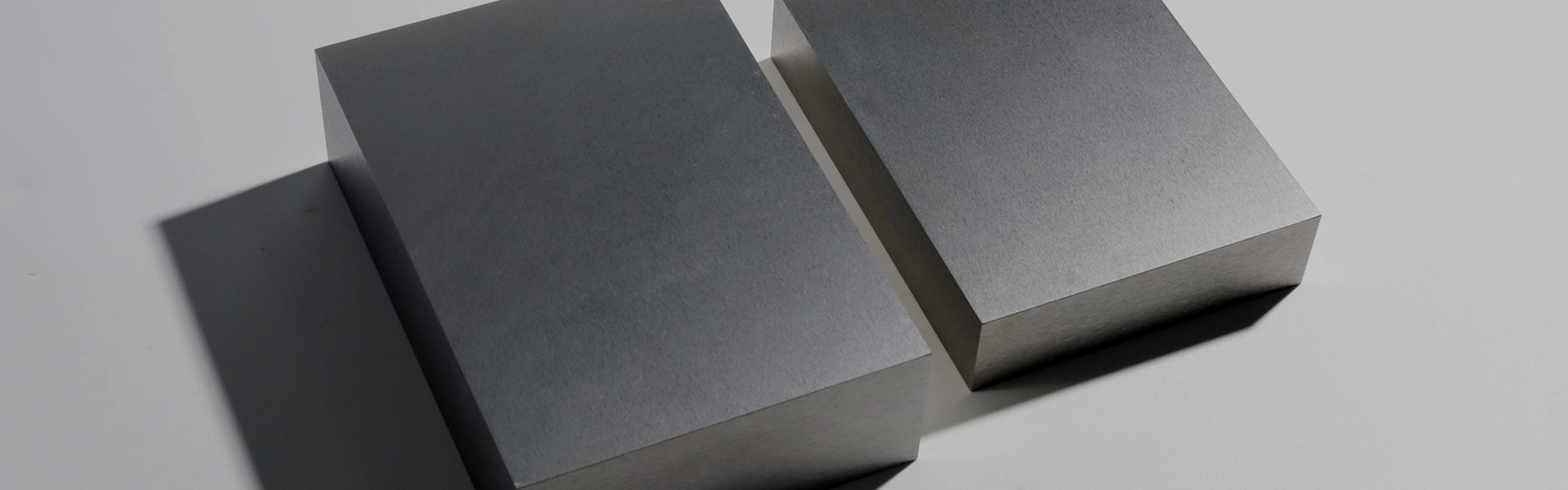
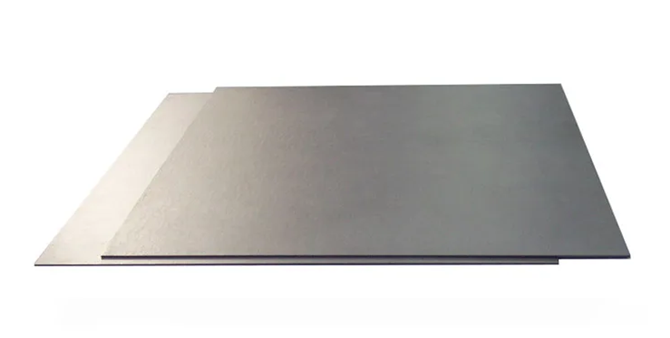
Molybdenum plates are plate-shaped materials rolled from metallic molybdenum (Mo) or molybdenum alloys. Their core advantage lies in their planar ductility, which makes them critical planar barriers, structural supports or functional substrates in extreme environments such as high temperatures and strong corrosion. They play an irreplaceable structural, functional and protective role in the core high-temperature zones of fields like high-temperature furnaces, the glass industry and semiconductor equipment.

What is a Molybdenum Plate?

An industrial molybdenum plate is a dense, high-performance refractory refractory metal sheet manufactured through precise powder metallurgy compression and subsequent heavy-duty rolling phases. Known for its exceptional structural integrity, these planar materials undergo strict cross-rolling processes to achieve balanced mechanical properties in both longitudinal and transverse directions, making them an ideal choice for intense thermal fields.

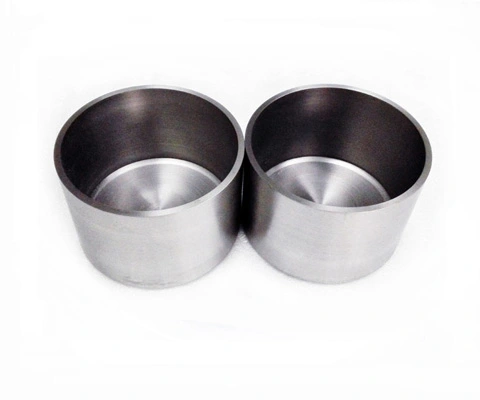
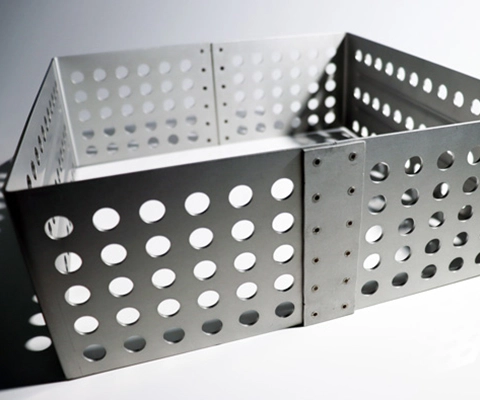
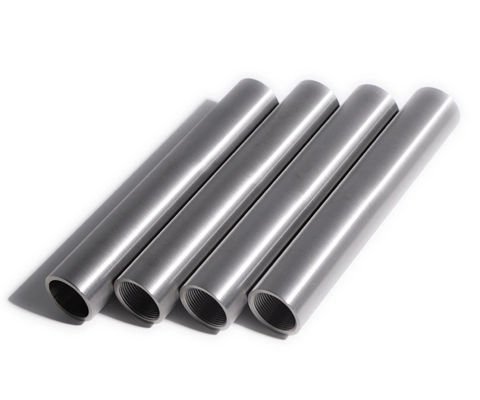
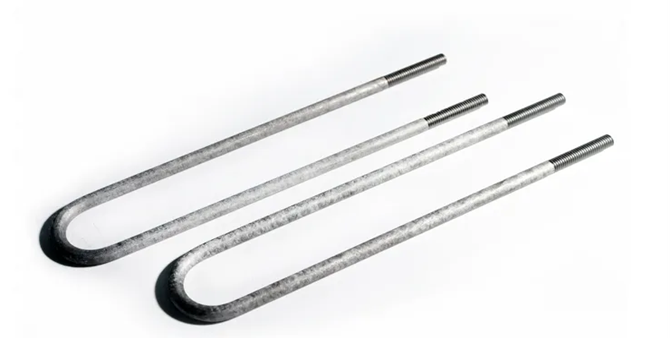
Our Molybdenum Plate Manufacturing Gallery

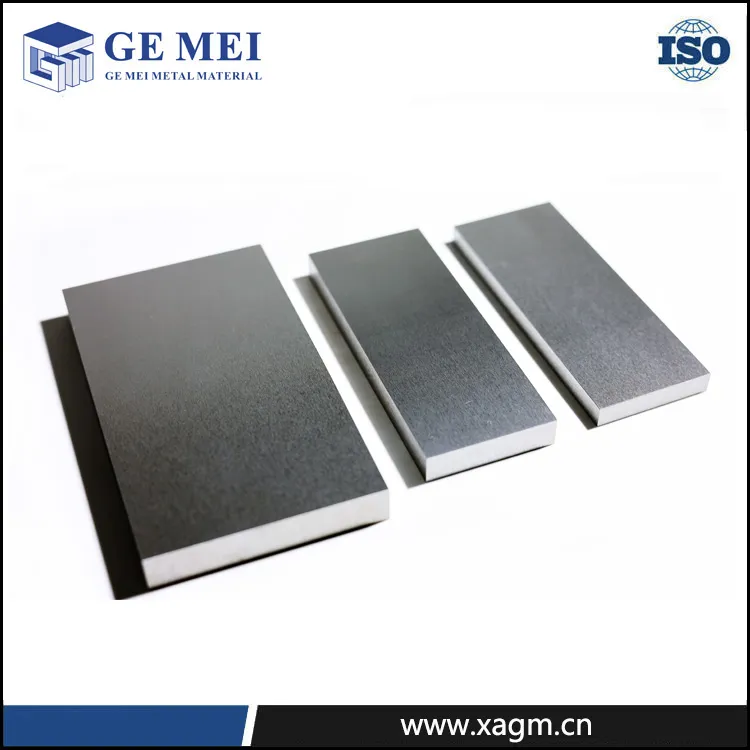
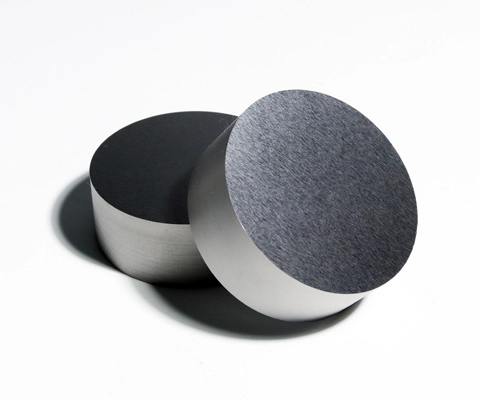
  • Molybdenum Plate
    Molybdenum Plate
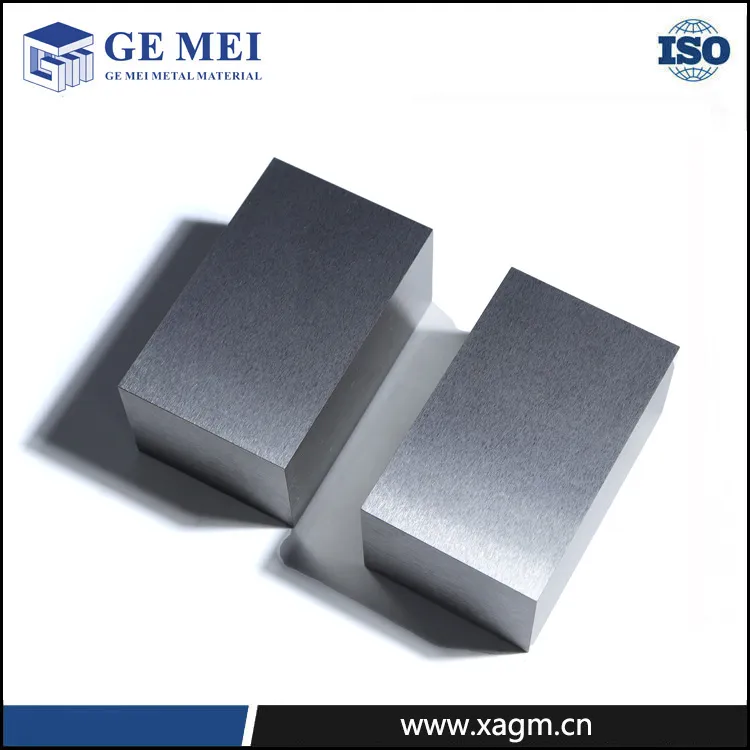
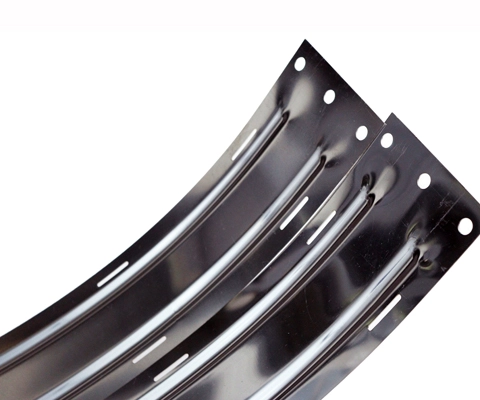
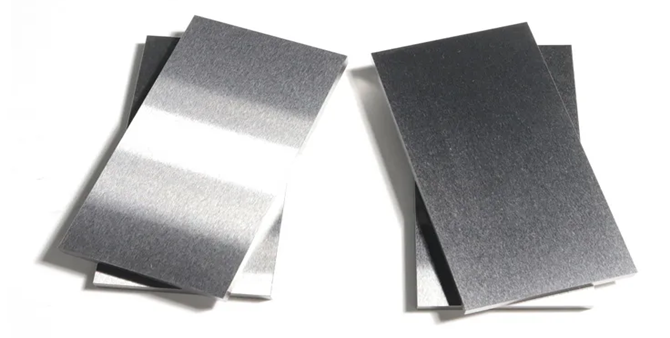
  • Molybdenum ground Plate
    Molybdenum ground Plate
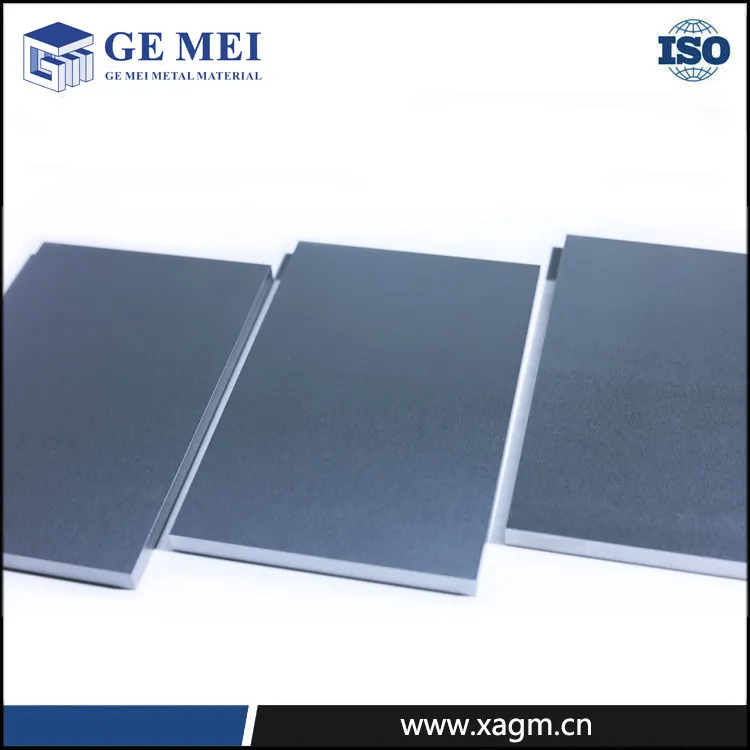
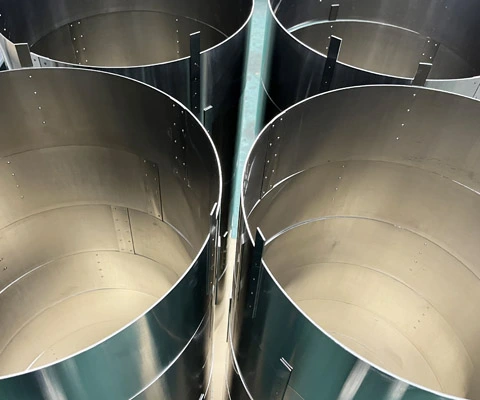
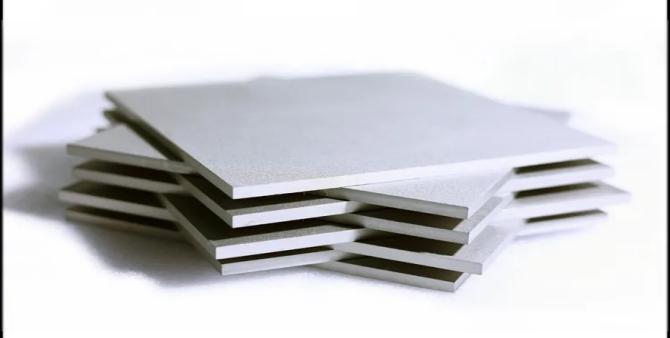
  • Moly Plate
    Moly Plate

Applications of Molybdenum Plates

With their unrivaled thermal shielding capabilities, high-temperature stiffness, and chemical inertness, high-purity molybdenum plates are indispensable across heavy thermal processing, advanced electronics, and aerospace engineering. GEMEI precision-rolls each molybdenum plate to ensure excellent flatness and uniform density for the following critical industrial sectors:


1. High-Temperature Furnaces and Heat Treatment Industry (Core Application)

Heat Shields/Radiation Shields: Serves as the high-efficiency key layers of multi-layer thermal insulation shields in vacuum or atmospheric high-temperature furnaces, excellently reflecting thermal energy and maximizing overall thermal efficiency.

Furnace Beds/Racks/Boats: Engineered to bear heavy workpieces during demanding thermal processing (e.g., high-temperature sintering of structural ceramics and cemented carbides) without structural deformation or chemical reaction at soaring temperatures.

Sintering Plates: Extensively applied in the advanced powder metallurgy industry as reliable setter plates for supporting sensitive components during intense thermal cycles.


2. Glass and Photovoltaic Industry (Irreplaceable Solutions)

Glass Furnace Electrodes: Used as heavy-duty immersed plate electrodes for electrically boosted or fully electric glass melting furnaces, expertly withstanding severe corrosion from aggressive molten glass at elevated temperatures.

Components for Photovoltaic Glass Production: Functions as premium carrier substrates applied directly in the precise manufacturing of cadmium telluride (CdTe) thin-film solar cells.

Bushing Plates for Glass Fiber Crucibles: Selected as a foundational material in traditional glass fiber drawing configurations, providing stable structural support.


3. Semiconductor and Electronics Industry

Components for Semiconductor Diffusion Furnaces: Formed into precise boats and paddles for holding delicate silicon wafers, featuring ultra-high purity to guarantee zero chemical contamination at high temperatures.

Backing Plates for PVD/CVD Sputtering Targets: Utilizing their superior thermal conductivity and high bonding strength, they serve as heavy-duty supporting planar substrates for high-value targets such as tungsten and molybdenum.

Anodes and Grids for Electron Tubes: Precision-machined into vital structural nodes applied in high-power electro-vacuum devices and amplification tubes.


4. Metal Processing and High-Temperature Molds

Isostatic Pressing Canning Molds: Utilized as durable container materials in the hot isostatic pressing (HIP) forming process for advanced metal powders.

High-Temperature Die-Casting Molds: Applied as premium die inserts in the casting of non-ferrous metals such as copper, aluminum, and zinc, delivering a significantly prolonged tool service life.

High-Temperature Stamping and Extrusion Molds: Deployed as core tooling elements for the precise hot forming and stamping of high-performance superalloys.


5. Corrosion-Resistant Components

Chemical Vessel Linings: Applied as heavy-duty anti-corrosion inner linings in harsh chemical processing environments that involve strong reducing acids and aggressive molten salts.

Molten Metal Processing Components: Fabricated into critical protective hardware, such as protective sheaths for zinc melt temperature-measuring tubes and industrial stirrers.

6. Emerging Fields & Advanced Aerospace

Nuclear Fusion Experimental Devices: Selected as a premium candidate material for plasma-facing first-wall armor plates or structural components (with specific surface modification applied).

Aerospace Thermal Structural Components: Engineered into advanced high-thermal hardware, such as rocket engine nozzle extensions and spacecraft thermal protection system (TPS) components.


Key Characteristics & Material Classifications of Molybdenum Plates

As critical structural and shield materials, our rolled sheet products are engineered to bypass the limitations of standard industrial metals. GEMEI delivers high-density refractory solutions that combine extreme geometric precision with the following core performance benefits:


Outstanding high-temperature performance: Reliably maintains its geometric shape, tensile limits, and mechanical strength even under continuous thermal loads above 1000℃, backed by excellent creep resistance.


Excellent thermal and electrical conductivity: Delivers ultra-high efficiency and low thermal stress when deployed as high-load heat-dissipating substrates, power semiconductors, or manufacturing electrode components.


Low coefficient of thermal expansion: Features exceptional dimensional stability and a minimized risk of micro-cracking or structural deformation during rapid thermal cycling.


Superior corrosion resistance: Robustly resists chemical erosion and pitting caused by aggressive molten glass, liquid metals, fused salts, and various industrial acids or alkalis.


High rigidity and structural stiffness: Exhibits a high elastic modulus and mechanical toughness, a characteristic that remains prominently stable under soaring working temperatures.


Advanced Material Classification:

Pure Molybdenum Sheet (Mo1): The most widely utilized configuration with a purity of 99.95%, available in hot-rolled or cold-rolled finishes based on your specific thickness requirements.


High-Temperature Molybdenum Sheet (Doped Mo-La Alloy): Formulated by adding a precise amount of rare earth oxides such as La₂O₃. This doping process significantly elevates the material's recrystallization temperature, enhances its high-temperature anti-sagging properties, and extends service life in high-end industrial furnaces.


TZM Molybdenum Alloy Sheet: Titanium-zirconium-molybdenum advanced alloy configuration. It features significantly higher high-temperature tensile strength and a superior recrystallization threshold, tailored for aerospace and structural applications with the most stringent stress limitations.


Looking for custom cut-to-size dimensions or specialized stamping? Tell our engineers your thickness tolerances and blueprint designs to receive a competitive, transparent molybdenum plate price quote.


Surface Finishes & Molybdenum Plate Specifications

To satisfy the stringent flattening and tolerance requirements of high-vacuum heat fields and electronic substrates, GEMEI supplies molybdenum plates in various rolling states and dimensional thresholds, adhering to international standards such as ASTM B386:


Manufacturing ProcessThickness RangeMaximum WidthMaximum LengthThickness ToleranceSurface Appearance
Hot-Rolled (Heavy Plate)4.0 mm−50 mmUp to 600 mmUp to 2000 mm±0.15 mmDark brown or black surface with light oxide coating.
Cold-Rolled (Sheet)0.5 mm−3.9 mmUp to 500 mmUp to 1500 mm±0.05 mmBright silver-gray metallic luster; chemically cleaned.
Mirror-Finish (Ground)1.0 mm−20 mmUp to 400 mmUp to 1000 mm±0.02 mmPrecision centerless ground or polished finish; zero burrs.

Custom Machining Note: GEMEI provides comprehensive deep-processing services for all flat products. We can deliver laser-cut circles, precision-stamped blanks, pre-drilled heating plates, or bent molybdenum plates based directly on your CAD or PDF technical blueprints.

FAQs About Molybdenum Plates

What factors primarily impact the industrial molybdenum plate price?

The definitive wholesale molybdenum plate price is derived from three main engineering factors: total thickness/rolling complexity (ultra-thin cold-rolled sheets require more processing cycles than heavy hot-rolled plates), the chosen surface finish (ground or polished mirror finishes add labor costs), and your overall order tonnage. Please submit your exact dimensions to our desk to secure a factory-direct quote.

What is the benefit of cross-rolling during molybdenum plate manufacturing?

Standard single-direction rolling causes elongated grain structures, making the material brittle along the transverse axis. GEMEI utilizes a premium cross-rolling technique (alternating the rolling direction by 90°). This creates a uniform grain structure, significantly improving the plate's planar ductility, and making it much safer for secondary machining, bending, and punching.

How do you prevent warping or edge cracking in thin sheets at high temperatures?

Edge cracking and warping are usually caused by internal residual stresses or low purity. By implementing a precise vacuum stress-relief annealing process after each rolling pass and starting with high-purity (≥99.95%) powder, our plates maintain exceptional flatness and thermal stability under continuous heating cycles up to 1900℃.

Get In Touch With Us
For Any Interested Tungsten and Molybdenum Solutions
We use cookies to offer you a better browsing experience, analyze site traffic and personalize content. Part of the tracking is necessary to ensure SEO effectiveness,
By using this site, you agree to our use of cookies. Visit our cookie policy to learn more.
Reject Accept