
Xi'an Gemei Metal Material Co., Ltd.

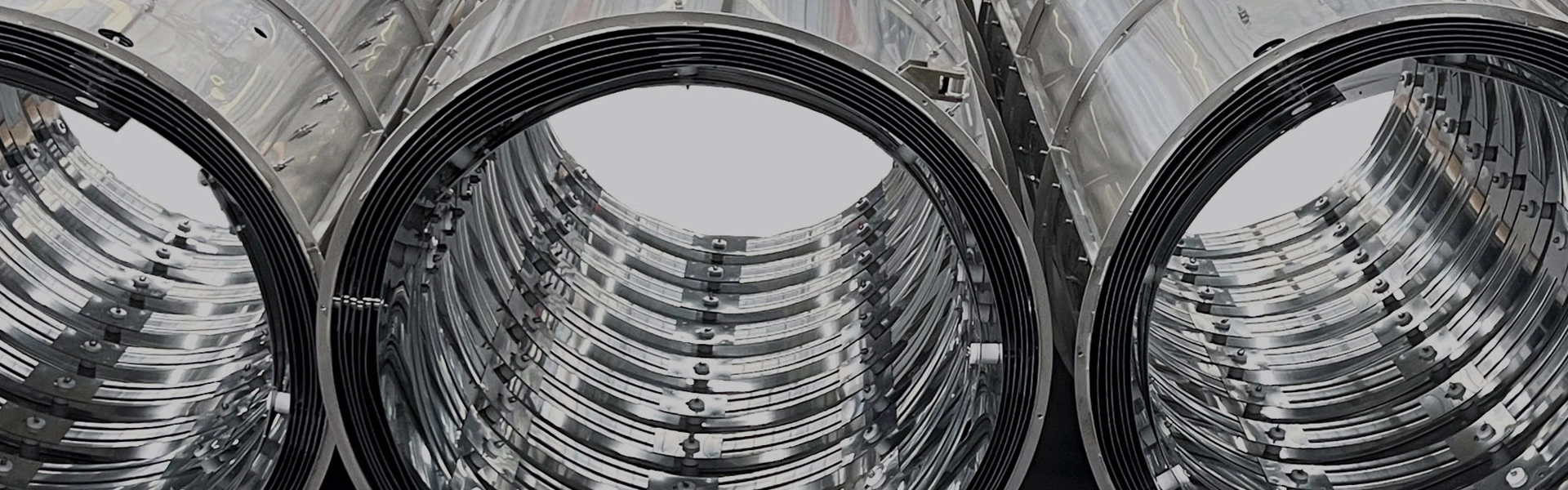
Molybdenum shields are a key component of the thermal field system in high-performance vacuum/high-temperature industrial furnaces (especially single crystal growth furnaces, vacuum sintering furnaces, magnetron sputtering coating machines, etc.). They are all made of molybdenum or molybdenum alloys (particularly molybdenum-lanthanum alloys), with their core functions being heat insulation, temperature control, heat flow guiding and protection.

What is a Molybdenum Shield?

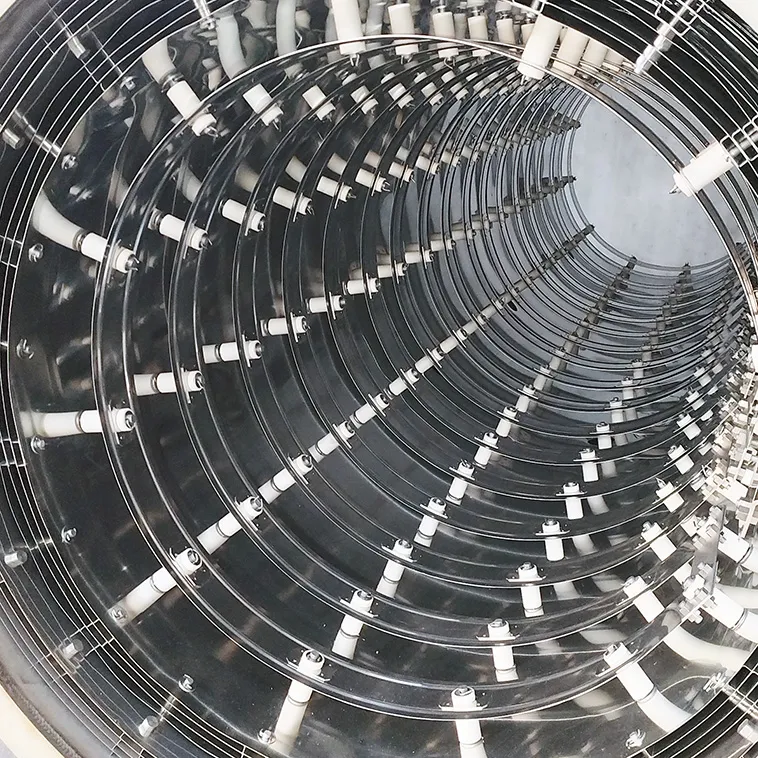
In the thermal field of a high-temperature furnace, these two components are usually arranged around the heating element (heat source) and the workpiece to be heated (e.g., crucible), forming a closed or semi-closed high-temperature environment.

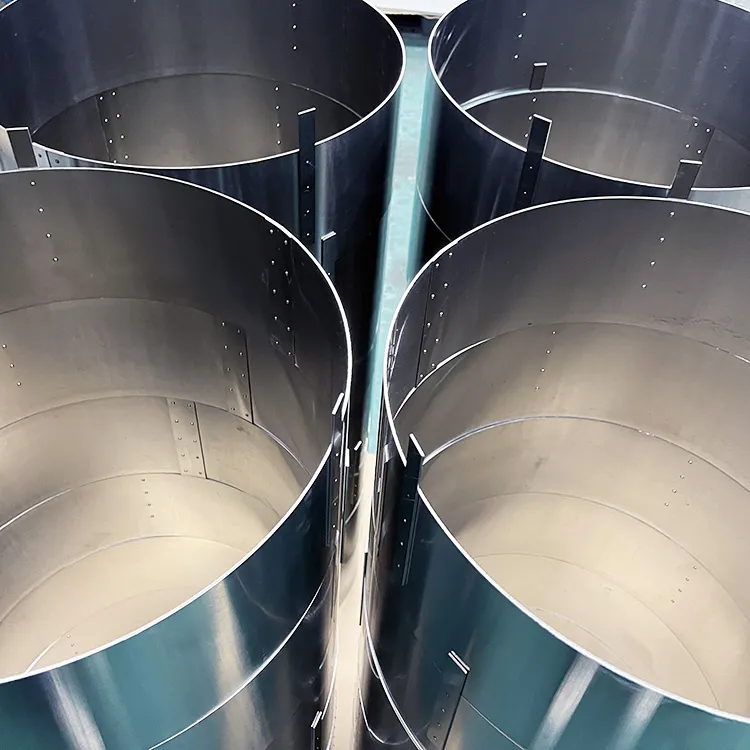
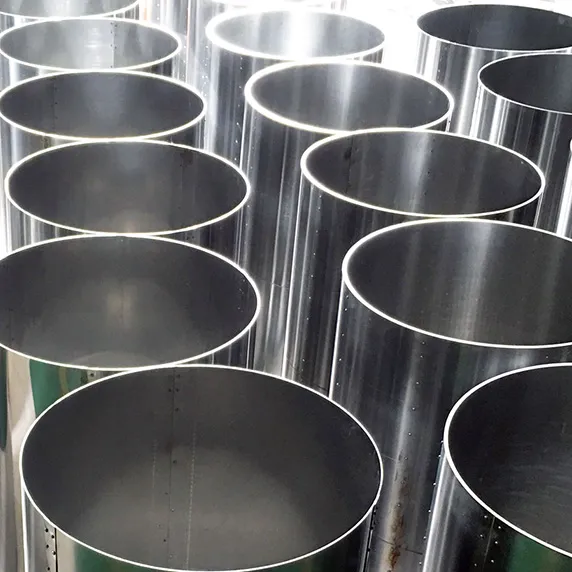
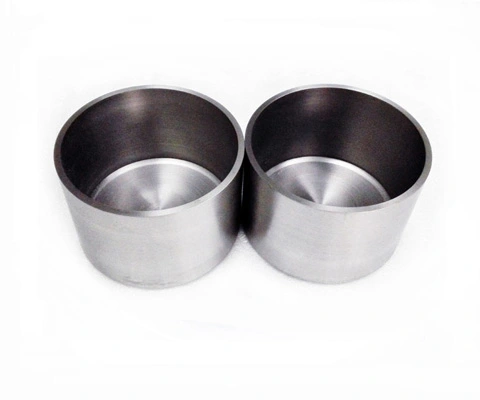
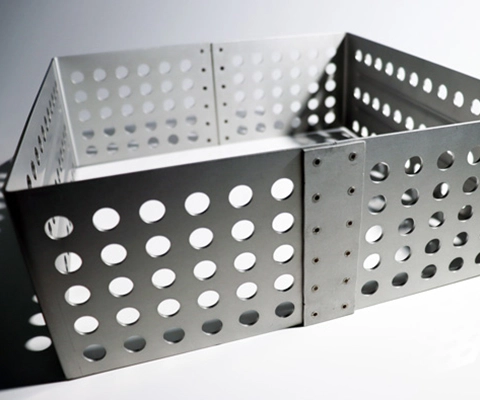
Molybdenum Cylindrical Shield

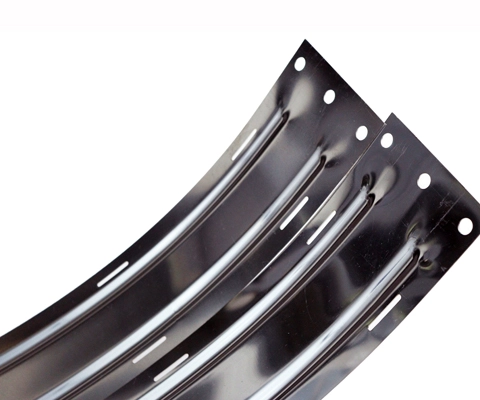
  • Definition: Generally refers to a cylindrical or tapered cylindrical molybdenum heat shield.

  • Position: Vertically installed on the periphery of heating elements (e.g., graphite or molybdenum heating elements), and sometimes arranged in a multi-layer nested structure.

  • Core Function: Mainly blocks radial heat radiation loss, forms a vertically uniform hot zone, reduces heat dissipation to the furnace wall, and improves thermal efficiency.

  • Molybdenum End Shield

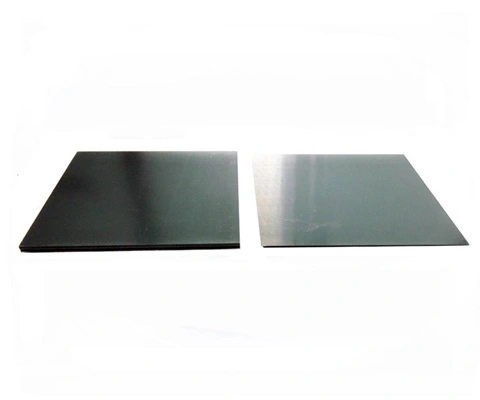
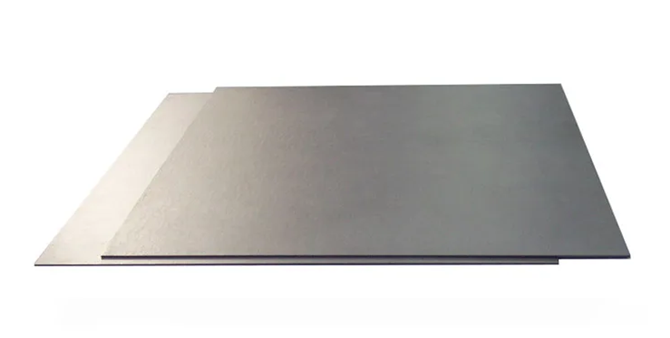
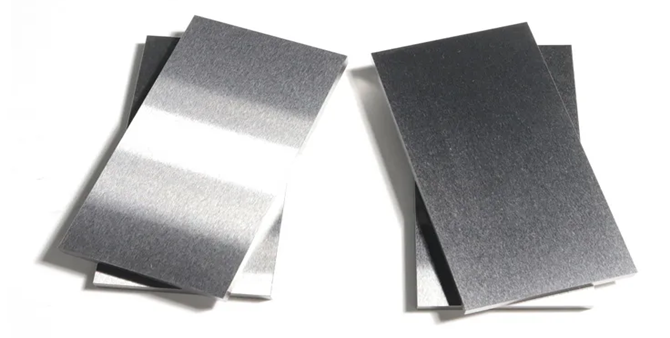
  • Definition: Generally refers to a plate-shaped, dish-shaped or cover-shaped molybdenum heat shield.

  • Position: Installed at the top and/or bottom of the thermal field.

  • Core Function: Mainly seals the upper and lower ends of the thermal field, blocks axial heat radiation and convective heat loss, and helps stabilize the airflow and temperature gradient inside the thermal field.

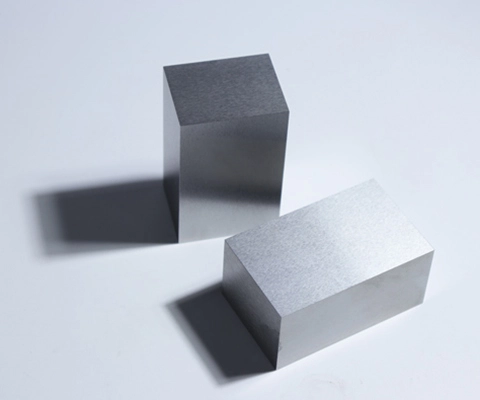
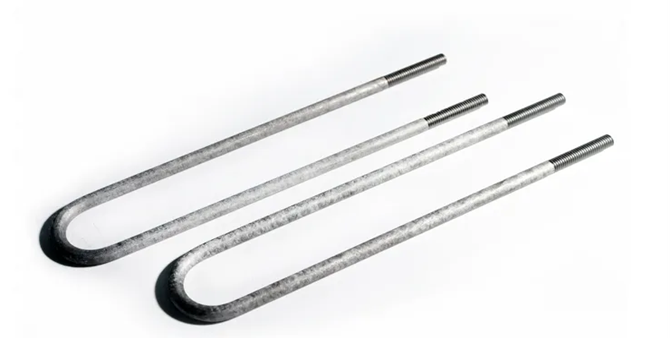
Molybdenum Shield Types

Applications of Molybdenum Shields

Main Application Equipment

  • Sapphire/monocrystalline silicon crystal growth furnaces (Kyropoulos method, Czochralski method): Core thermal field components.

  • Vacuum sintering furnaces: Used for sintering tungsten carbide, ceramics, etc.

  • Vacuum heat treatment furnaces: For solution treatment of high-temperature alloys.

  • PVD coating equipment: Served as backing plates or heat shields for sputtering targets.


Key Points for Selection and Design

  • Material SelectionMolybdenum-lanthanum alloy is the first choice for applications with extremely high requirements for service life and stability. For short-term operation or relatively lower temperature scenarios, pure molybdenum or TZM alloy can be adopted.

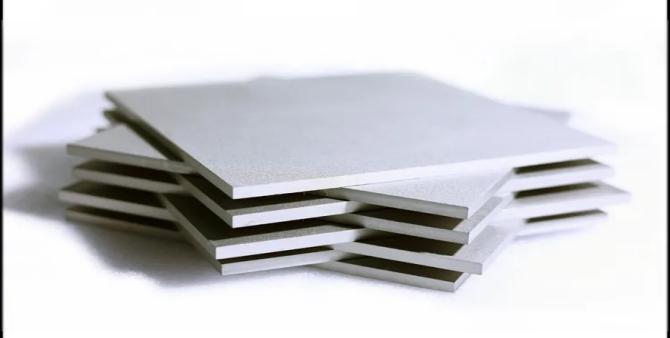
  • Structural DesignAdopt a multi-layer shielding structure with gaps between layers. Based on the principle of radiation heat insulation, this design offers far superior heat insulation performance compared with a single-layer thick shield. Expansion joints are designed on the shield to release thermal stress.

  • Surface TreatmentSometimes the surface is polished to reduce the emissivity coefficient and decrease radiative heat absorption; alternatively, coating treatment (e.g., high-temperature oxidation-resistant coating) is applied to cope with potential abnormal oxidation.

  • Cooling ConsiderationsIn large-scale or high-power furnaces, the end shields and cylindrical shields may need to be designed in coordination with water-cooled furnace walls to create a significant temperature gradient.


Get In Touch With Us
For Any Interested Tungsten and Molybdenum Solutions
We use cookies to offer you a better browsing experience, analyze site traffic and personalize content. Part of the tracking is necessary to ensure SEO effectiveness,
By using this site, you agree to our use of cookies. Visit our cookie policy to learn more.
Reject Accept