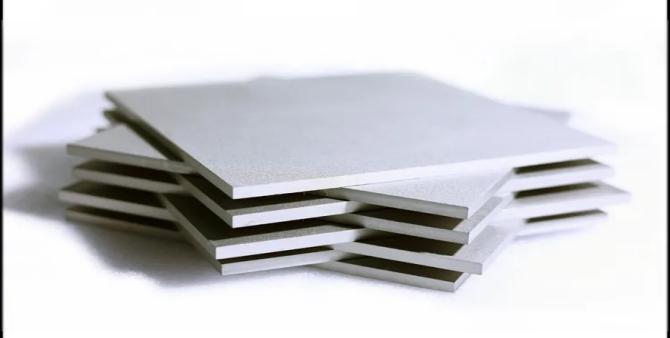
Riveted Racks Material Properties
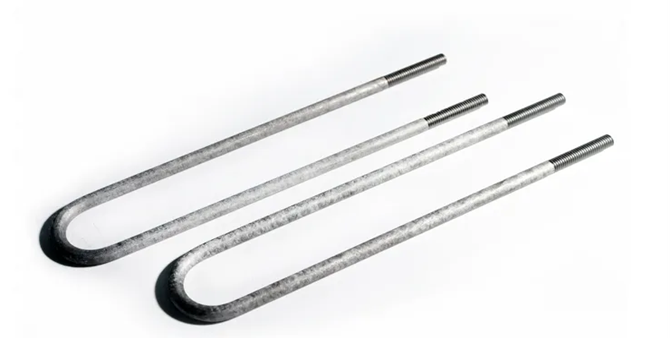
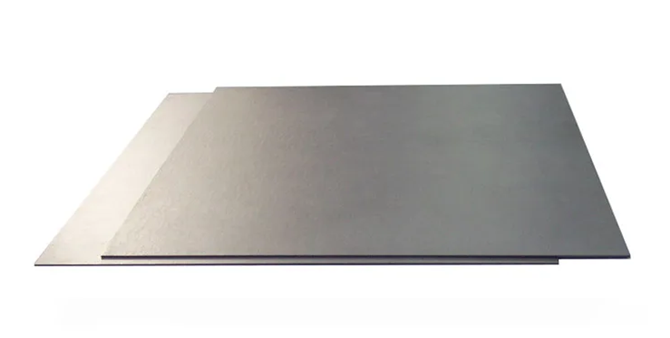
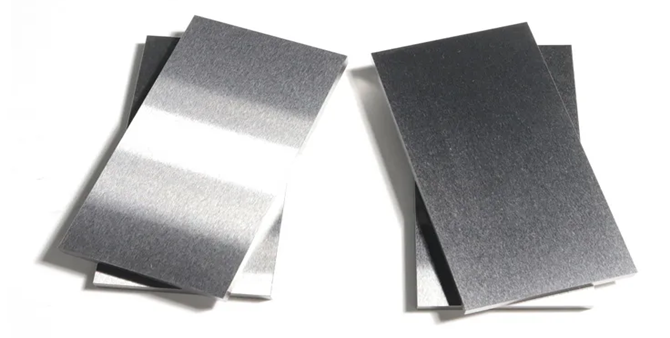
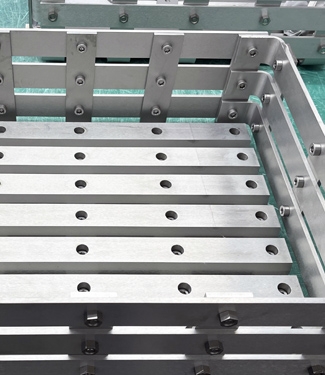
Both tungsten and molybdenum are refractory rare metals. Molybdenum has a melting point of 2622°C, while tungsten has an even higher melting point, reaching 3410°C. Additionally, they exhibit high strength at both room temperature and high temperatures, low thermal expansion coefficient, and good thermal conductivity. Therefore, tungsten-molybdenum riveted frames can maintain stable structure and performance in high-temperature environments.
Riveted Racks Application Fields
High-Temperature Vacuum Industry: Used in fields such as powder metallurgy, MIM (Metal Injection Molding), sapphire growth, and ceramics. Riveted molybdenum boats and other tungsten-molybdenum riveted components are commonly employed here.
Aerospace, Military, and Related Fields: Due to the extremely high requirements for material properties like high-temperature resistance and high strength, tungsten-molybdenum riveted frames also have certain applications in these areas.
 English