Xi'an Gemei Metal Material Co., Ltd.

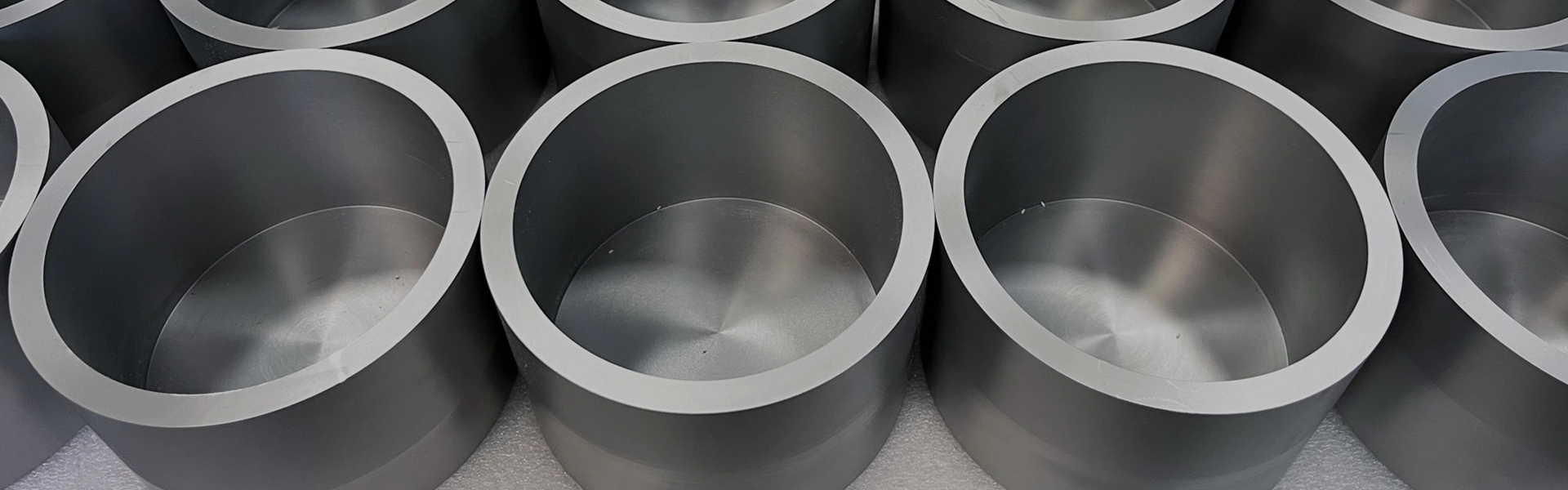
Molybdenum crucibles are key high-temperature vessels made of metallic molybdenum or molybdenum alloys (e.g., TZM), specially designed for melting, purifying, sintering or holding highly reactive and high-melting-point materials in extreme environments. They are not merely simple containers, but also core components that ensure the purity, chemical stability and process success rate of materials at high temperatures.

What is a Molybdenum Crucible?

A molybdenum crucible is a specialized high-temperature vessel manufactured from pure metallic molybdenum or advanced molybdenum alloys (such as TZM or MHC). Known for its exceptional structural integrity, this critical component is explicitly designed for melting, purifying, sintering, and holding highly reactive and high-melting-point materials under extreme thermal environments.


Rather than serving as a mere container, a high-purity molybdenum crucible acts as a core engineering solution that ensures zero cross-contamination, superior chemical stability, and a maximized process success rate for advanced metallurgical and crystal-growing operations.

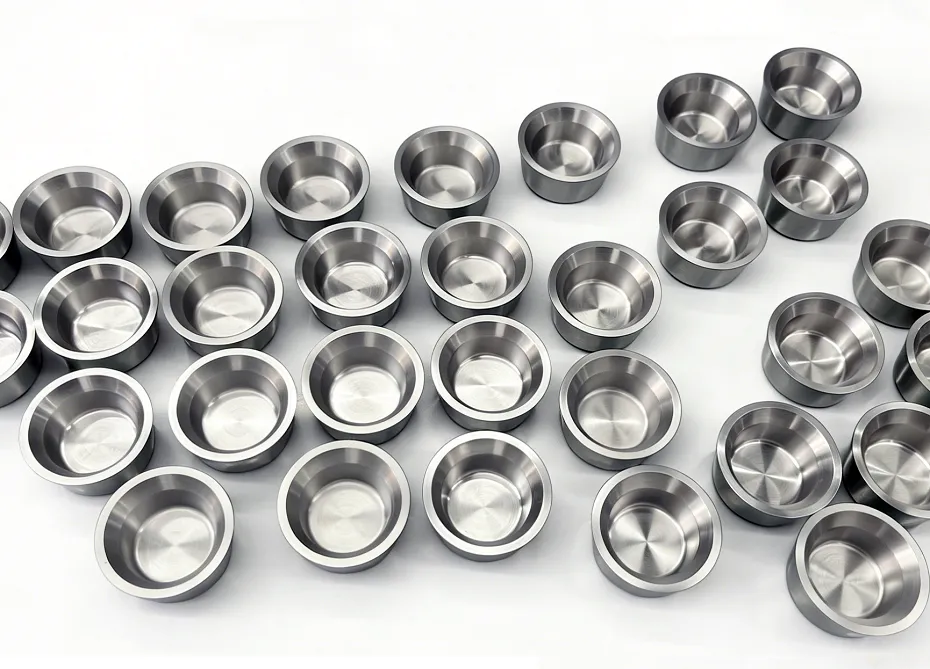
Our Molybdenum Crucible Manufacturing Gallery

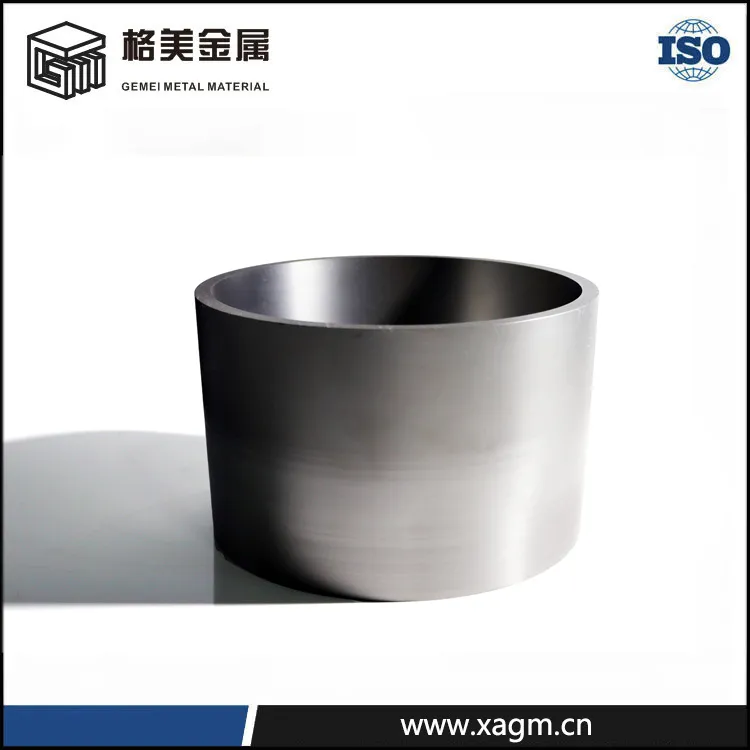
  • Molybdenum Crucible
    Molybdenum Crucible
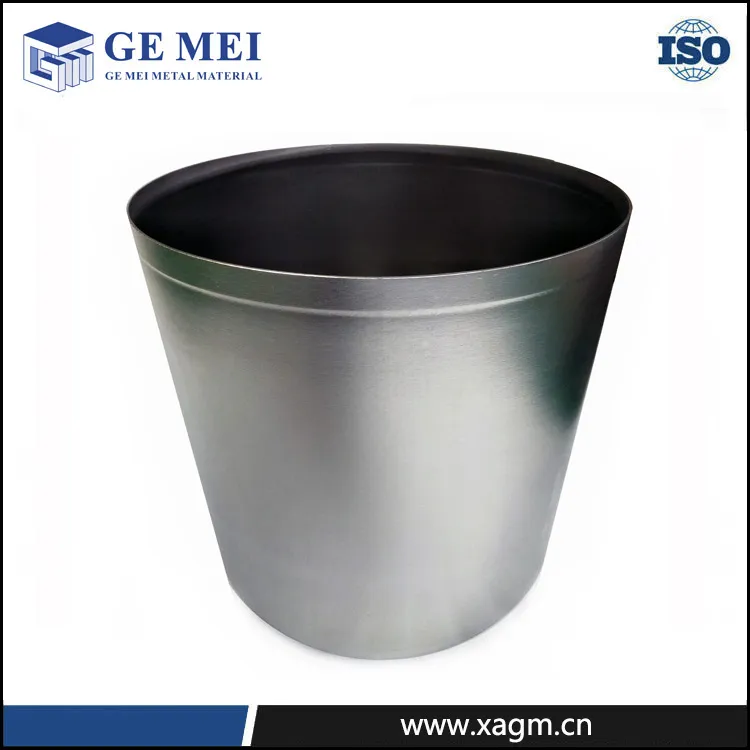
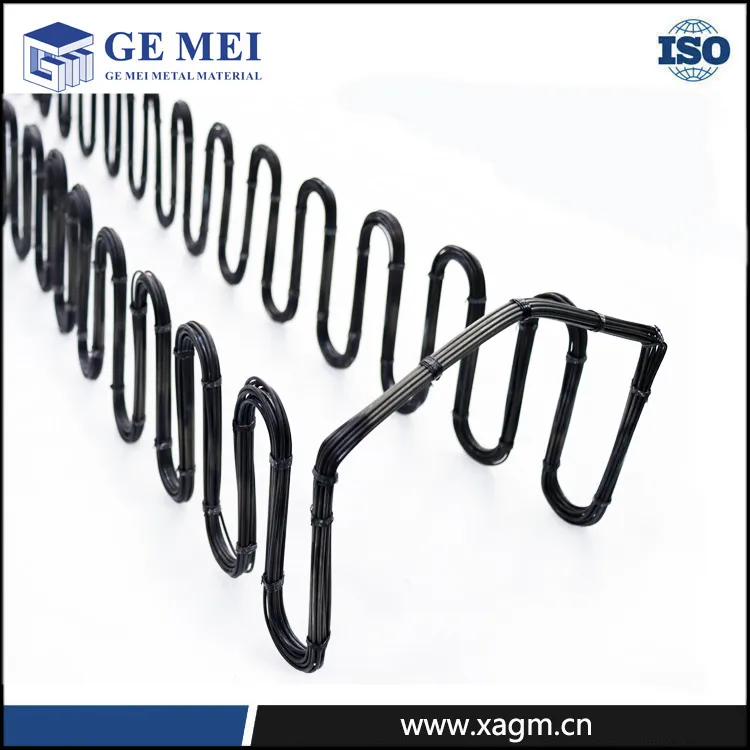
  • Moly Crucible
    Moly Crucible
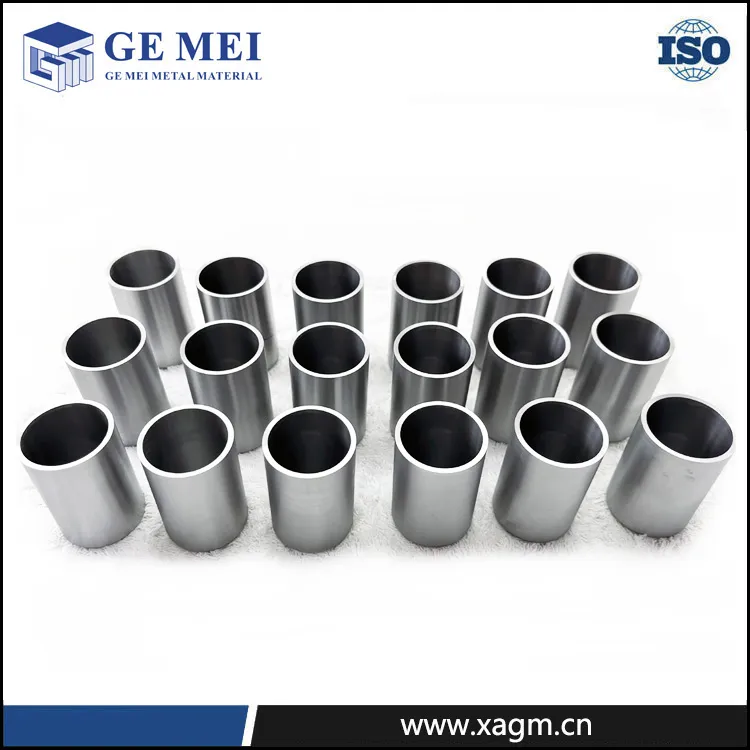
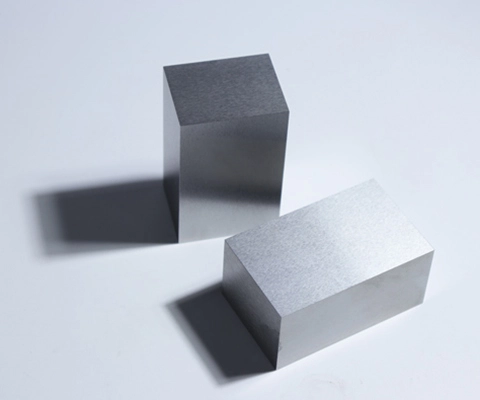
  • Mo Crucible
    Mo Crucible

Industrial Applications & Molybdenum Crucibles Deployment

Due to their exceptional thermal stability and chemical inertness, high-purity molybdenum crucibles are indispensable vessels across various advanced manufacturing and research sectors. At GEMEI, we precision-engineer each molybdenum crucible to withstand severe operational conditions, guaranteeing optimal process yields for the following critical industrial uses:


Crystal Growth (Cornerstone of Semiconductors & Optics)


Sapphire Crystal Growth: Serves as a core reaction vessel for the Kyropoulos and Heat Exchange Method (HEM), used for growing large-size sapphire single crystals for LED substrates and premium optical windows.


YAG Laser Crystal Growth: Specifically applied to grow high-purity laser crystals such as yttrium aluminum garnet (YAG).


Semiconductor Compound Single Crystals: Acts as a reliable container for holding melts and boron oxide encapsulants in the Liquid Encapsulated Czochralski (LEC) process for critical materials like gallium arsenide (GaAs) and indium phosphide (InP).


Photovoltaics & Thin Film Coating Technology


CIGS Thin-Film Solar Cells: Utilized in the demanding co-evaporation process for holding and evaporating source materials such as copper, indium, gallium, and selenium.


Vacuum Coating Evaporation Sources: Acts as durable resistance evaporation boats/vessels for holding valuable evaporation coating materials such as gold, silver, and aluminum.


High-Temperature Sintering & Powder Metallurgy


Special Ceramic Sintering: Functions perfectly as robust sintering plates or saggers for high-performance engineering ceramics, including aluminum nitride and beryllium oxide.


Silicon Carbide Crystal Growth: Deployed as a key structural heating and holding component in the Physical Vapor Transport (PVT) growth process.


Analytical Testing & Scientific Research


High-Temperature Thermal Analysis: Utilized as precision sample holders and micro-vessels for Differential Thermal Analysis (DTA) and Thermogravimetric Analysis (TGA).


Laboratory-Scale Small Smelting: Applied to gram-scale to kilogram-scale metallurgical experiments for new material exploration and academic R&D.


Looking for a tailor-made thermal solution? Whether you need high-density sintered molybdenum crucibles for crystal growth or machined ones for laboratory testing, GEMEI delivers top-tier performance at a competitive factory-direct molybdenum crucible price. [Request a Free Technical Consultation Today]


Standard Dimensions & Tolerances of Molybdenum Crucibles

At GEMEI, we offer a comprehensive range of dimensions to fit different induction and vacuum furnace designs. Whether you require micro-vessels for laboratory testing or massive sintering containers, our engineering team ensures extreme precision:

Crucible TypeOuter Diameter (OD)Height (H)Wall Thickness (WT)Typical Applications
Machined / Forged10mm - 100mm10mm - 150mm2.0mm - 10mmLaboratory R&D, Thermal Analysis
Spinning / Welded50mm - 400mm50mm - 500mm1.5mm - 5mmRare Earth Smelting, Coating Sources
Sintered (Large-scale)100mm - 800mm100mm - 1000mm5.0mm - 25mmSapphire Crystal Growth, PVT Sintering


Key Advantages & Characteristics of Molybdenum Crucibles

Due to the intense demands of vacuum and engineering induction processes, selecting the right material is paramount. Our components stand out among high-performance industrial molybdenum products by delivering a robust set of physical and chemical advantages:


  • Ultra-High Melting Point (2620℃): It can be used safely for sustained, long-term cycles in vacuum or inert atmosphere environments ranging from 1600℃ to 2000℃.


  • Excellent High-Temperature Strength: When holding heavy, molten materials, these molybdenum crucibles resist creep and static pressure, perfectly maintaining their geometric shape without deformation.


  • Extremely Low Vapor Pressure: Minimal volatilization occurs under deep vacuum conditions, preventing vaporized metal from contaminating the melt or furnace interior.


  • Superior Corrosion Resistance: It features outstanding resistance to various molten metals (e.g., gallium, indium, tin, lithium, and alkali metals), non-metals (e.g., sulfur, selenium), and aggressive molten salts.


  • Good Thermal Conductivity: Ensures uniform and rapid heat transfer from external elements to the materials inside the vessel, minimizing localized thermal gradients.


  • Availability of High Purity: Engineered with high-purity raw materials (≥99.95%), these vessels guarantee pristine results. To balance tight technical requirements with your sourcing budgets, feel free to explore our manufacturing capabilities and inquire about our wholesale molybdenum crucible price today.


Key Advantages & Characteristics of Molybdenum Crucibles

FAQs About Molybdenum Crucibles

What is the difference between a sintered molybdenum crucible and a machined one?

The primary differences lie in size, density, and manufacturing processes. Machined molybdenum crucibles are turned directly from forged bars, offering higher density ( ≥18.3cm³), excellent surface finishes, and tighter tolerances, but are limited to smaller sizes. Sintered molybdenum crucibles are formed through powder metallurgy and are ideal for large-scale operations (up to 800mm diameter) like sapphire growth, with a standard density of ≥9.8 - 10.0  g/cm³

How can I request an accurate molybdenum crucible price quote from GEMEI?

To give you the most competitive molybdenum crucible price, please provide us with your required Outer Diameter (OD), Total Height (H), Wall Thickness (WT), and preferred manufacturing method (sintered or machined). If you have complex designs (such as tapered walls or specific base reinforcement), uploading a technical PDF or CAD drawing will allow our engineers to calculate a precise quote within 24 hours.

How do operating atmospheres affect the lifespan of molybdenum crucibles?

A high-quality molybdenum crucible performs exceptionally well in a vacuum or inert atmospheres (such as Argon or Nitrogen) up to 2000℃. However, molybdenum begins to oxidize aggressively in air or oxidizing environments at temperatures above 400℃. For prolonged lifespan, ensure your high-temperature furnace maintains a strict vacuum or reducing environment during cycles.

Get In Touch With Us
For Any Interested Tungsten and Molybdenum Solutions
We use cookies to offer you a better browsing experience, analyze site traffic and personalize content. Part of the tracking is necessary to ensure SEO effectiveness,
By using this site, you agree to our use of cookies. Visit our cookie policy to learn more.
Reject Accept