Molybdenum is a critical refractory metal widely used in engineering systems that demand high thermal field uniformity, dimensional stability, and material compatibility. Compared to other high-temperature metals, molybdenum not only possesses excellent heat resistance but also achieves a good balance among thermal conductivity, machinability, and structural stability, making it particularly suitable for precision manufacturing systems in controlled environments.
In industries such as semiconductor manufacturing, photovoltaic production, sapphire crystal growth, ceramics processing, quartz systems, glass electrode manufacturing, and display panels, molybdenum is typically integrated as a functional material within the system rather than as a standalone structural material. Grimme Metals is dedicated to providing molybdenum material solutions for system-level applications, with a focus on material consistency and engineering adaptability.
What is Molybdenum: Material Composition and Engineering Role
Molybdenum is a transition metal primarily derived from molybdenite. Through processes such as roasting, purification, and powder metallurgy, high-purity molybdenum metal and various semi-finished materials can be prepared for high-end manufacturing fields.
From an engineering perspective, "What is molybdenum" not only describes its elemental properties but more importantly, its functional performance under complex working conditions. The value of molybdenum lies in its stability and controllability under the coupling effect of heat, force, and environment.
Its main material characteristics include:
High melting point (approximately 2623°C)
Stable thermal conductivity over a wide temperature range
Low vapor pressure in vacuum environments
Good dimensional stability during thermal cycling
Suitable for high-purity controlled process environments
Compared to some refractory metals, molybdenum offers a superior balance between performance and machinability, enabling it to meet the manufacturing needs of complex structural components.
Thermal Behavior and Process Stability in Industrial Systems
In precision manufacturing systems, the thermal performance of materials is not only reflected in their temperature resistance but also in their response characteristics to temperature gradients, thermal cycling, and long-term operation.
Thermal Conductivity and Temperature Uniformity
Molybdenum has high thermal conductivity, allowing it to:
Achieve uniform heat distribution
Reduce localized thermal stress concentration
Enhance furnace temperature uniformity
This characteristic is particularly crucial in crystal growth and high-temperature sintering processes, as temperature distribution directly affects product quality.
Dimensional Stability under Thermal Cycling
During repeated heating and cooling, many metals deform, but molybdenum, due to its low thermal expansion coefficient, can achieve:
Low deformation during long-term use
Structural alignment stability in multi-component systems
Reduced calibration frequency for high-precision equipment
This is especially important for semiconductor and display panel manufacturing equipment.
Atmosphere Adaptability
Molybdenum performs best in vacuum or inert atmospheres, with features including:
These characteristics explain "what is the use of molybdenum" in high-purity production systems, where the interaction between materials and process environments must be strictly controlled.
Applications of Molybdenum in Industrial Systems
The application of molybdenum usually revolves around system-level needs rather than single component performance, mainly focusing on industrial scenarios with extremely high reliability and precision requirements.
Semiconductor and Thin Film Process Systems
In semiconductor manufacturing, molybdenum is widely used in:
Target materials for thin film deposition
Substrate support and carrier structures
Heating and shielding components
Its stable performance helps ensure process consistency and reduce contamination risk.
Photovoltaic and Energy Systems
In the photovoltaic manufacturing field, molybdenum simultaneously provides structural and conductive functions:
Back electrodes for thin film solar cells
Furnace components for silicon material processing
Conductive support structures in thermal systems
These applications demonstrate its comprehensive advantages in thermal and electrical performance.
Sapphire and Optical Material Production
The crystal growth process requires a long-term stable thermal environment, with molybdenum mainly used in:
Its dimensional stability directly affects crystal quality and consistency.
Ceramics, Quartz, and Glass Processing
In high-temperature material processing, molybdenum is primarily applied in:
These applications require the material to not react with the processed material at high temperatures while maintaining stable performance.
Medical and Precision Equipment
In some medical and precision equipment, molybdenum is used in:
Precision heating elements
Components related to imaging equipment
Thermal management structures
Its stable performance ensures the reliability of equipment operation.
Key Points in Molybdenum Welding and Processing
The processing of molybdenum requires high process control, especially during welding. Due to its high melting point and sensitivity to oxygen, welding usually needs to be conducted in a controlled environment.
Main process points include:
Welding in vacuum or inert gas environments
Strictly controlling oxygen and moisture content
Using matching filler materials
Post-weld heat treatment to relieve stress
In engineering design, complex welding structures are often reduced, with more emphasis on precision machining and modular assembly to improve overall reliability.
Supply Chain and Material Processing Capability
The stable supply of molybdenum materials depends on a mature processing system, including:
Raw material purification and smelting capabilities
Powder metallurgy process levels
Precision machining and dimensional control capabilities
For industrial applications, material consistency, purity, and dimensional precision are more critical than just resource availability.
Grimme Metals: Molybdenum Material Solutions for System Integration
Grimme Metals focuses on providing engineered molybdenum material solutions for high-end industrial systems, emphasizing the match between material performance and application environment.
Main service areas include:
Semiconductor manufacturing equipment
High-temperature furnace systems
Photovoltaic and thin film process equipment
Sapphire crystal growth systems
Ceramics and quartz processing
Glass electrode systems
Display panel production
Medical and precision thermal systems
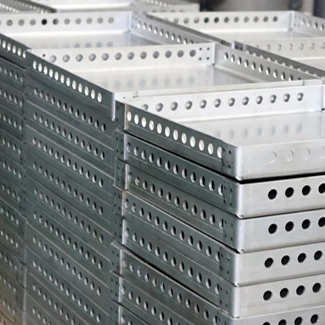
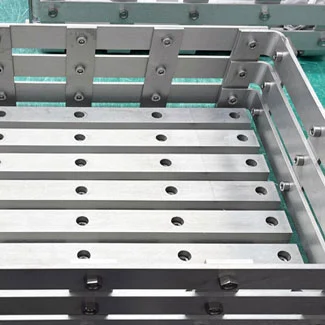
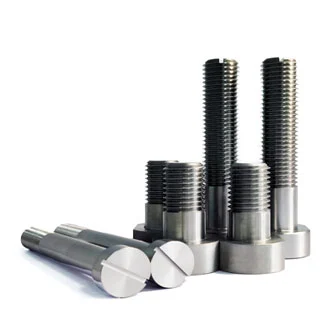
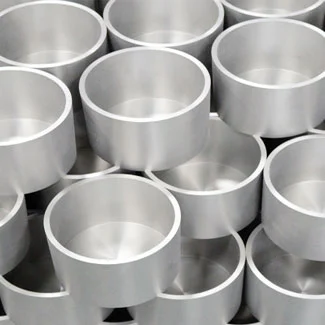
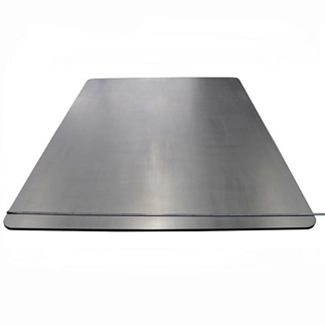
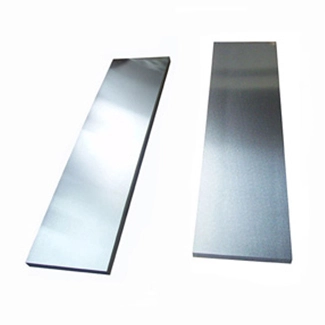
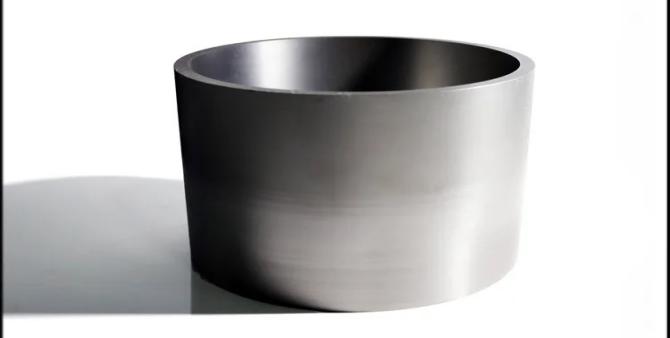
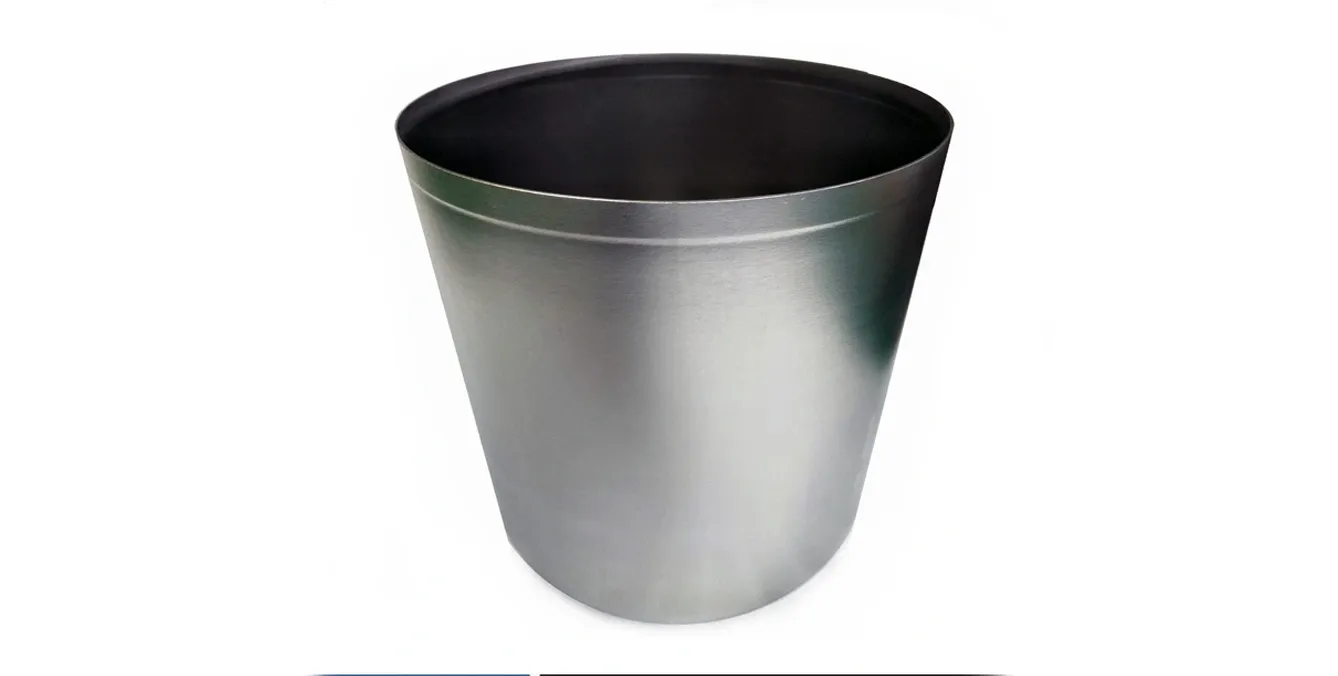
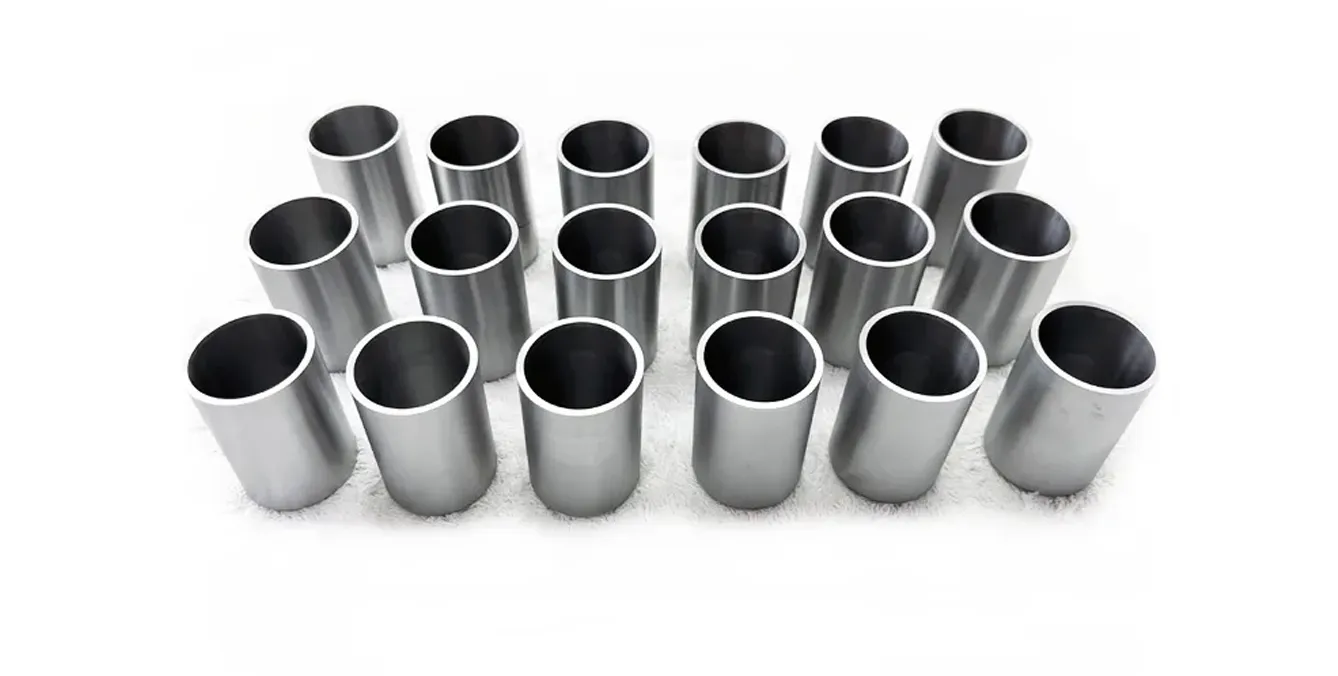
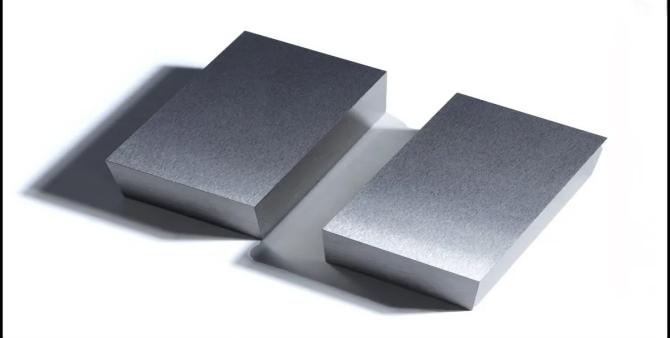
Products include molybdenum plates, rods, crucibles, electrodes, and customized processing parts to meet the stringent requirements for size and performance of high-precision equipment.
Conclusion
Molybdenum is an engineering material with significant importance in modern high-end industrial systems. Its value is reflected not only in its high-temperature resistance but also in its stability and controllability under complex working conditions.
In industries such as semiconductors, photovoltaics, sapphire, ceramics, and glass, as process requirements continue to increase, the application range of molybdenum continues to expand.
Through the engineered material solutions provided by Grimme Metals, molybdenum can achieve stable and reliable applications in high-precision industrial systems, providing solid support for the manufacturing process under harsh environments.
 English