Xi'an Gemei Metal Material Co., Ltd.

GEMEI supplies high-purity tungsten and molybdenum components for glass and quartz glass production. Our molybdenum glass melting solutions, including electrodes, crucibles and foil, provide high-temperature strength, low thermal expansion and chemical stability for demanding furnace and sealing applications.

Tungsten and Molybdenum Components for Glass and Quartz Glass Production

Tungsten and Molybdenum Components for Glass and Quartz Glass Production

Tungsten Components for Quartz Glass Melting


A tungsten crucible provides the high-temperature resistance and chemical stability required for melting high-purity quartz glass. Tungsten heating electrodes can also withstand the extreme temperatures used in electrofusion systems.


Typical applications include:


High-purity quartz glass melting
Electrofusion heating systems
High-temperature furnace components


Tungsten components should generally be used in vacuum or an inert atmosphere to reduce oxidation at elevated temperatures.


Molybdenum Components for Glass Melting and Sealing


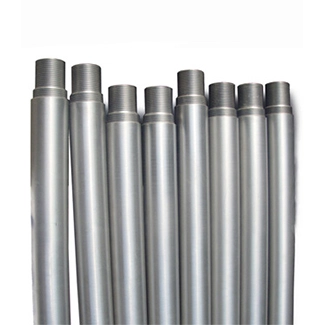
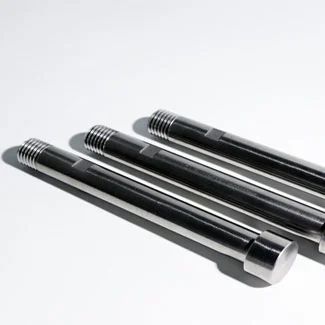
A high-purity molybdenum electrode offers reliable electrical conductivity and dimensional stability during molybdenum glass melting. GEMEI can supply customized molybdenum electrodes for electric glass furnaces according to the required diameter, length and operating conditions.


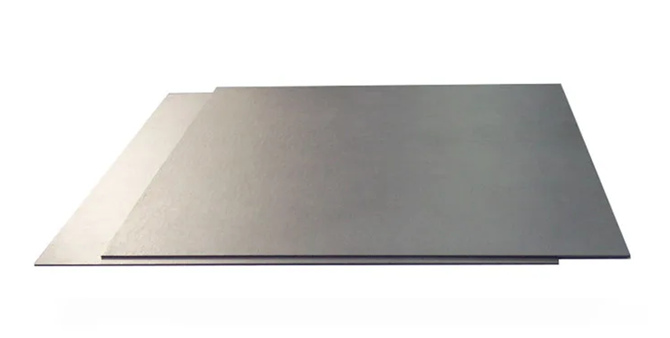
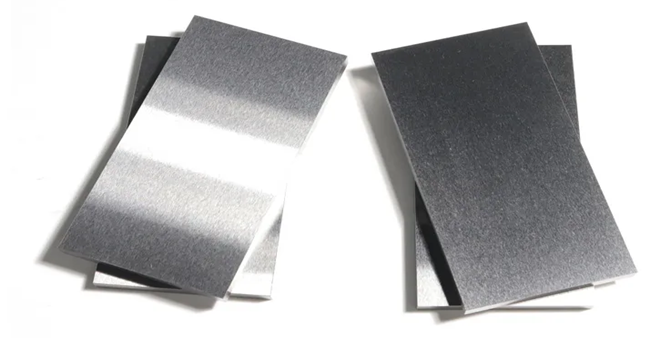
For glass-to-metal sealing, molybdenum foil helps accommodate differences in thermal expansion and supports reliable sealing in lamps, laser tubes and other electronic vacuum devices.


Typical applications include:

Electric glass melting electrodes
Glass-to-metal sealing components
Lamp and laser tube assemblies
Customized furnace parts


Why Choose GEMEI for Glass Melting Components

GEMEI provides high-purity tungsten and molybdenum components for glass and quartz glass production, combining custom manufacturing, controlled quality and reliable delivery.


Custom Manufacturing

Components can be produced according to customer drawings, dimensions, tolerances and operating conditions.


Scalable Production Capacity
Our production capabilities support prototypes, small batches and repeat bulk orders.


Consistent Material Quality
Raw materials and finished components are inspected by batch to verify purity, dimensions and surface quality.


Precision Processing
Standardized production and machining help maintain dimensional accuracy, stable performance and reliable service life.


Reliable Order Fulfilment
Coordinated production and inspection processes help shorten lead times while maintaining product consistency.


Products Available for Glass and Quartz Glass Production

Our product range includes molybdenum glass melting electrodes, molybdenum electrodes, tungsten electrodes, tungsten crucibles, molybdenum crucibles, molybdenum foil and custom molybdenum support components.


Why Choose GEMEI for Glass Melting Components

Molybdenum Electrode Options and Custom Specifications


SpecificationAvailable Options
MaterialHigh-purity molybdenum / Other grades upon request
Purity99.95%
Diameter Range5 - 120mm
Maximum Length2000mm
Surface ConditionMachined / Ground / Polished
End ConnectionThreaded / Tapered / Custom connection
Dimensional ToleranceAccording to drawings or agreed specifications
Secondary MachiningCutting, drilling, threading and custom machining
InspectionMaterial, dimensions, straightness and surface inspection
DocumentationAnalytical Report

GEMEI supplies high-purity molybdenum electrodes for electric glass furnaces and other demanding molybdenum glass melting applications. Each molybdenum glass melting electrode can be manufactured according to the required furnace design, operating conditions and customer drawings.

Available customization may include different diameters, lengths, surface finishes, end connections and machining requirements. Material purity, dimensional accuracy and surface quality are inspected before shipment to support stable installation and reliable furnace operation.

How to Select Tungsten and Molybdenum Components for Glass Production

The appropriate component depends on the glass type, operating temperature, furnace atmosphere, electrical requirements and contamination control. GEMEI supplies tungsten and molybdenum components for glass melting, quartz processing, sealing and high-temperature furnace assemblies.

Glass ApplicationRecommended ComponentMain Selection Considerations
Electric Glass MeltingMolybdenum electrodesGlass chemistry, electrode diameter, electrical load, surface condition and furnace design
High-Purity Quartz MeltingTungsten crucibleMaximum temperature, crucible dimensions, furnace atmosphere and contamination control
Specialty Glass MeltingMolybdenum crucibleMaterial purity, glass composition, wall thickness and operating temperature
Glass-to-Metal SealingMolybdenum foilFoil thickness, thermal expansion, sealing structure and surface condition
Glass Furnace AssembliesMolybdenum supports, heaters and custom partsMechanical load, temperature, component geometry and installation method
Quartz Glass ElectrofusionTungsten heating electrodesCurrent load, operating temperature, electrode dimensions and oxidation protection

For customized components, customers should provide drawings, required dimensions, operating temperature, furnace atmosphere, glass composition and expected service conditions.

FAQs About Molybdenum Glass Melting Components

Why is molybdenum used for glass melting electrodes?

Molybdenum combines high-temperature strength, electrical conductivity and dimensional stability. These properties make it suitable for continuous molybdenum glass melting in properly controlled furnace environments.

What information is required to customize a molybdenum glass melting electrode?

Customers should provide the electrode diameter, length, material purity, connection design, surface condition, quantity, glass type, operating temperature and technical drawings.

Can GEMEI manufacture molybdenum electrodes according to drawings?

Yes. GEMEI can manufacture molybdenum electrodes according to customer drawings, including custom dimensions, threads, tapered connections, surface finishes and inspection requirements.

What affects the service life of a molybdenum electrode?

Service life can be affected by glass chemistry, electrode temperature, electrical loading, furnace atmosphere, surface quality, installation method and contact with oxidizing conditions.

When should a tungsten crucible be used for quartz glass?

A tungsten crucible is suitable for high-purity quartz melting where very high temperature resistance and low contamination are required. It is generally used under vacuum or a protective atmosphere to reduce oxidation.

What is the role of molybdenum foil in glass production?

Molybdenum foil is commonly used in glass-to-metal sealing structures. Its controlled thickness and thermal behavior help reduce stress between glass and adjoining metal components.

Can GEMEI also supply molybdenum crucibles and custom furnace parts?

Yes. GEMEI supplies molybdenum crucible products, heaters, supports, boats and other custom components for glass furnaces according to drawings and operating requirements.

Get In Touch With Us
For Any Interested Tungsten and Molybdenum Solutions
We use cookies to offer you a better browsing experience, analyze site traffic and personalize content. Part of the tracking is necessary to ensure SEO effectiveness,
By using this site, you agree to our use of cookies. Visit our cookie policy to learn more.
Reject Accept