Tungsten is a critical refractory metal, widely used in industrial environments with extremely high demands for thermal stability, mechanical strength, and long-term reliability. Due to its excellent physical properties, tungsten has become a fundamental material in precision manufacturing systems, covering high-end fields such as semiconductor processing, photovoltaic crystal growth, sapphire thermal field systems, ceramic sintering, glass electrode manufacturing, medical radiation shielding, display panel production, and high-temperature electrical systems.
This article systematically introduces the basic characteristics, material forms, and application scenarios of tungsten from the perspective of materials science and engineering applications. It focuses on its role in high-precision controlled manufacturing environments and introduces the capabilities of GMI Metals in engineered tungsten material solutions.
Basic Characteristics of Tungsten in Engineering Systems
Tungsten (chemical symbol W) is primarily sourced from wolframite and scheelite. After beneficiation and refining, it is processed into dense metal materials through powder metallurgy techniques for engineering components used in extreme environments.
From the perspective of material properties, tungsten has the following notable features:
Melting point around 3422°C, the highest among all metals
Density approximately 19.25 g/cm³, providing extremely high structural stability
High elastic modulus, maintaining rigidity under stress conditions
Low thermal expansion coefficient, ensuring dimensional stability at high temperatures
Excellent creep resistance at high temperatures
These characteristics make tungsten a benchmark engineering material in extreme thermal and mechanical environments.
In technical specifications and industrial material documents, tungsten is typically defined around its intrinsic performance and functional applications. Descriptions related to "what is tungsten metal," "where is tungsten used," and "what is tungsten made of" often appear in the context of material selection and process design, emphasizing its functional value under extreme conditions rather than as a general-purpose material.
Thermal Stability in High-Temperature Environments
One of tungsten's most important advantages is its ability to maintain structural integrity under extreme high-temperature conditions. Its melting point is approximately 3422°C, allowing it to remain stable in environments where many metals would melt, oxidize, or suffer structural failure.
T=3422∘C
From a thermal engineering perspective, this characteristic enables tungsten to be used in the following systems:
High-temperature vacuum furnace systems
Plasma processing equipment
Crystal growth thermal field structures
Semiconductor deposition and etching equipment
Unlike ordinary structural metals, tungsten can remain stable at extreme high temperatures without complex coating protection, thus reducing contamination risks and enhancing long-term system reliability.
Applications of Tungsten in High-End Industrial Fields
Tungsten is widely used in advanced manufacturing systems with extremely high requirements for material stability, thermal performance, and purity. Its applications are typically concentrated in high-precision equipment and controlled production lines.
1. Semiconductor Manufacturing Systems
In semiconductor equipment, tungsten is used for components that need to meet the following conditions:
Thermal stability in vacuum environments
Resistance to plasma erosion
High-temperature conductivity
Common applications include reaction chamber components, heating structures, and conductive support structures in deposition and etching systems.
2. Photovoltaic Crystal Growth Systems
In photovoltaic manufacturing, especially in silicon crystal growth processes, tungsten is mainly used for thermal field structures, including:
Heater support structures
High-temperature guide components
Furnace body support components
These components need to maintain stability in long-term high-temperature cycles.
3. Sapphire Crystal Growth Systems
Sapphire crystal growth furnaces typically operate at extremely high temperatures, and tungsten is used for:
Their stability directly affects crystal quality and yield.
4. Ceramic, Quartz, and Glass Processing Systems
In ceramic sintering and quartz processing equipment, tungsten is used for:
Furnace internal structural components
High-temperature electrode systems
Support structural components
In glass electrode manufacturing, tungsten is widely used due to its conductivity and heat resistance.
5. Medical and Radiation Shielding Systems
Due to its high density, tungsten is widely used in medical and radiation control fields, including:
X-ray shielding components
Imaging system collimators
Radiation protection structures
Its attenuation performance is stable and predictable.
6. Display Panels and High-Temperature Lighting Systems
In display panel manufacturing and industrial lighting equipment, tungsten is used in electrodes and high-temperature heating structures, still playing an important role in traditional high-temperature lighting systems.
Engineering Forms of Tungsten Materials
Tungsten is not used in a single form but is processed into various material forms based on different engineering needs.
Pure Tungsten Metal
Primarily used in systems requiring extremely high heat resistance, such as:
Vacuum furnace components
Semiconductor thermal field systems
High-temperature structural supports
Tungsten Carbide
Tungsten carbide is a high-hardness composite material with extremely strong wear resistance, widely used in:
Tungsten-Based Alloys
Tungsten alloys, by combining with other metals, improve machinability and overall performance, suitable for:
Material selection depends on temperature conditions, stress environment, and service life requirements.
Key Factors in Engineering Material Selection
In high-end manufacturing systems, tungsten selection depends not only on the material's own properties but also on system-level engineering requirements, mainly including:
Thermal cycle stability
High-purity environmental requirements
Mechanical processing precision
Adaptability to vacuum or plasma environments
Long-term creep resistance
These factors directly affect equipment operating efficiency, product yield, and system lifespan.
GMI Metals: Tungsten Material Solutions for High-Precision Industrial Systems
GMI Metals specializes in providing engineered tungsten material solutions for high-performance industrial systems. Its products primarily serve equipment manufacturing and process systems with extremely high demands for material consistency and thermal stability.
Application fields include:
Semiconductor manufacturing equipment
High-temperature furnace systems
Photovoltaic crystal growth equipment
Sapphire thermal field systems
Ceramic and quartz processing systems
Glass electrode manufacturing systems
Display panel production systems
Medical imaging and radiation control systems
Industrial heating and conductive systems
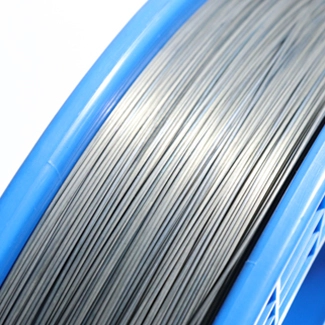
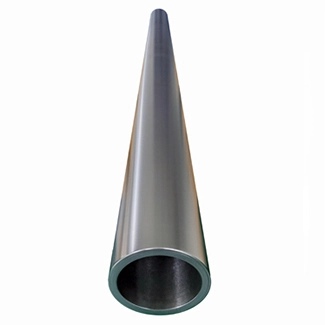
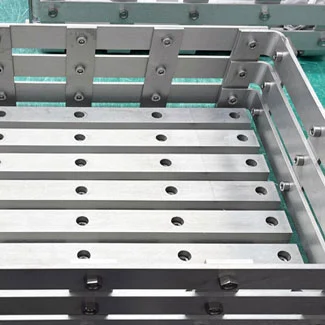
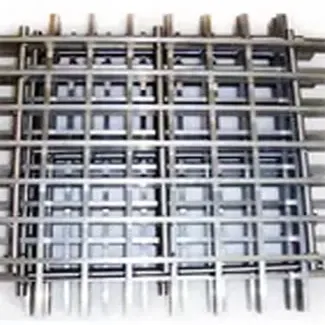
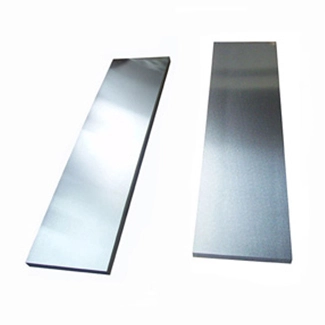
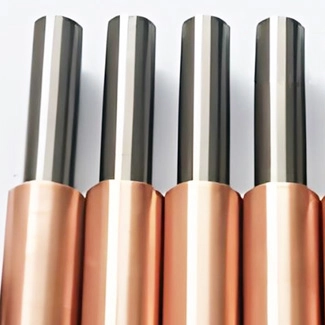
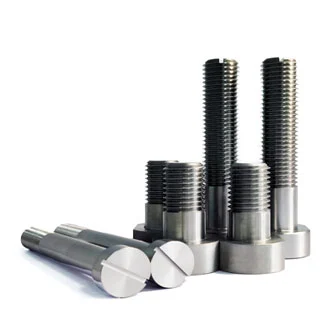
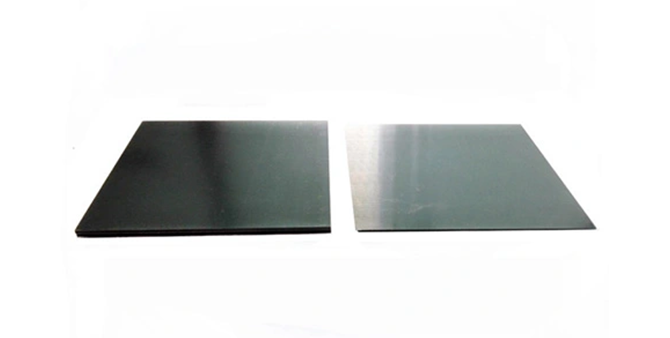
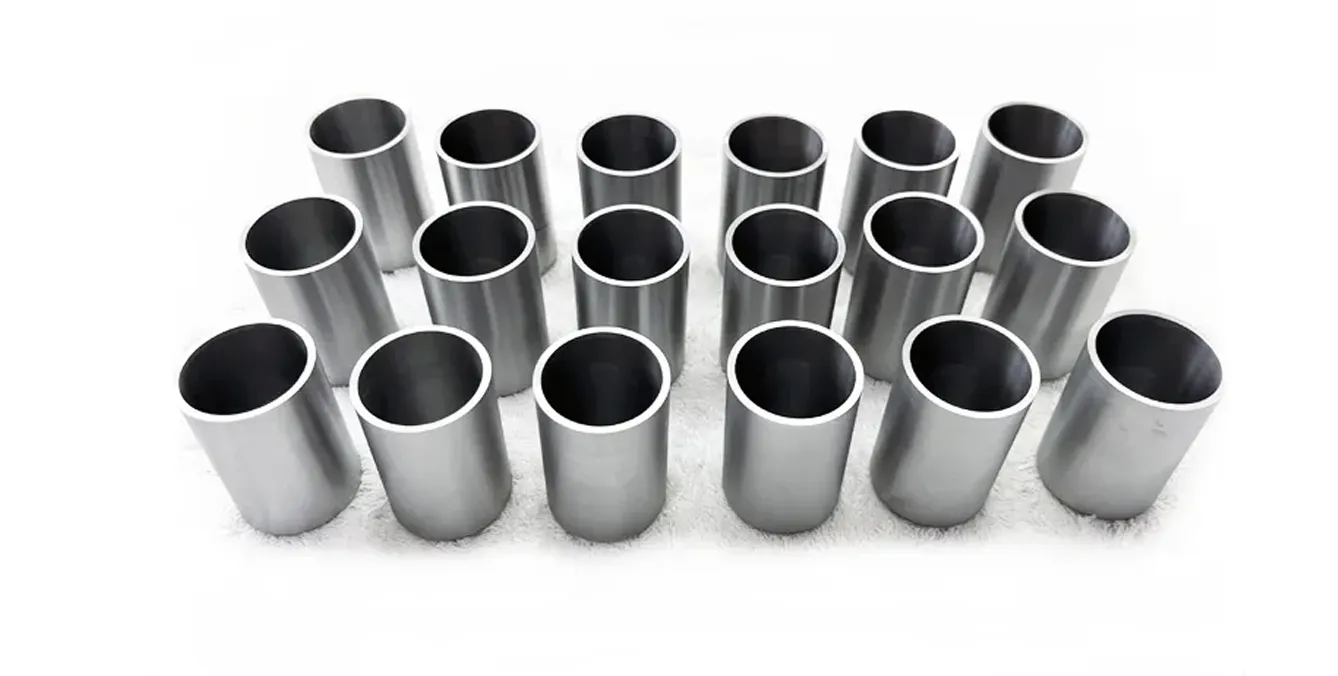
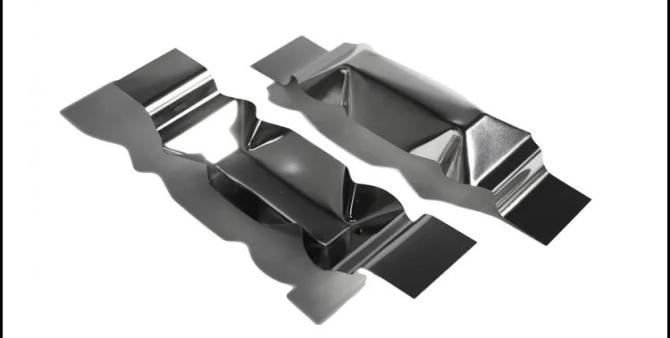
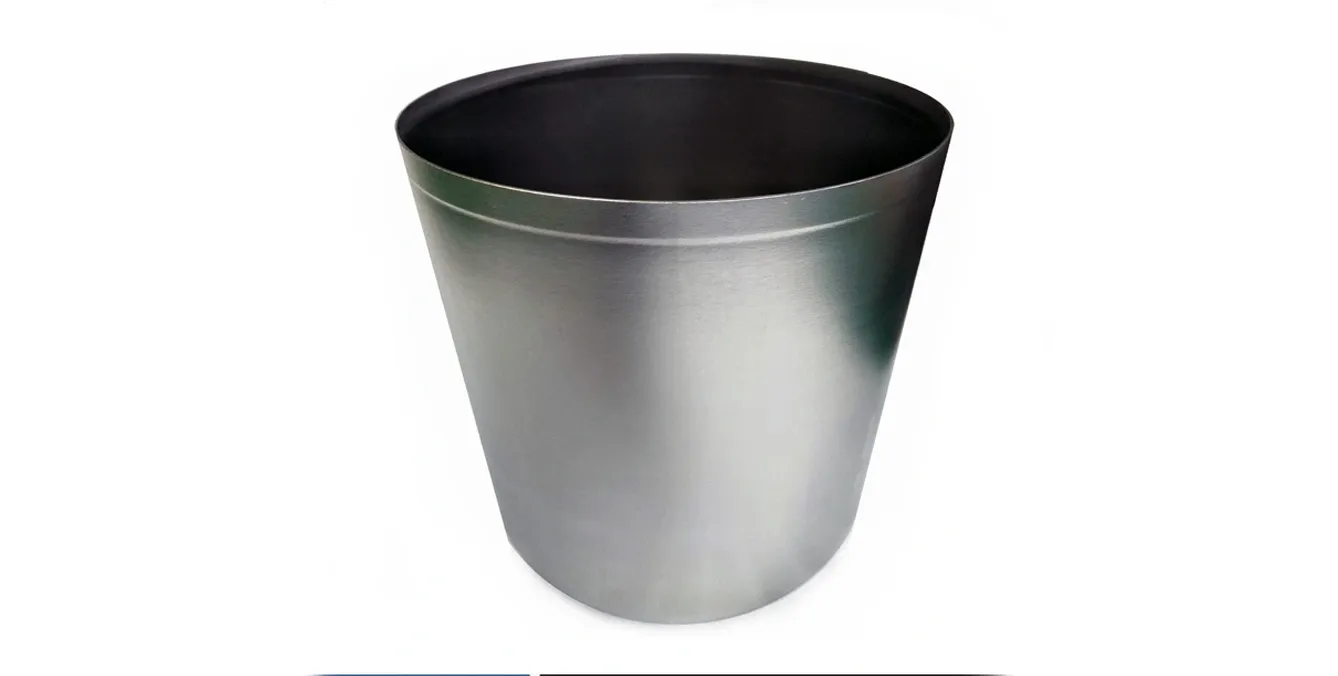
GMI Metals provides tungsten rods, tungsten plates, tungsten crucibles, heating elements, and customized processing components to meet system-level engineering design requirements.
Conclusion
Due to its extremely high thermal stability, density, and excellent mechanical properties, tungsten has become one of the core materials in modern high-end industrial systems. In extreme condition environments such as semiconductor, photovoltaic, and sapphire crystal growth, tungsten is not only a structural material but also a key component for ensuring process stability.
Through the engineered tungsten material solutions provided by GMI Metals, this material continues to support the development and upgrading of high-end manufacturing systems amidst the ever-increasing trend of industrial precision.
 English