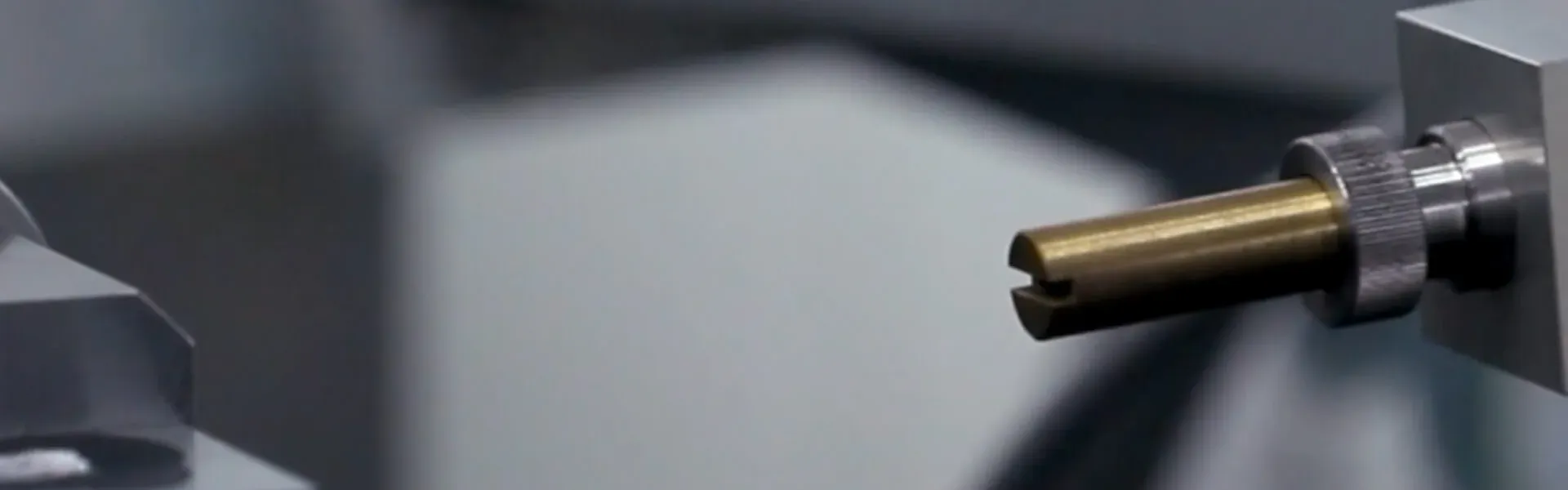
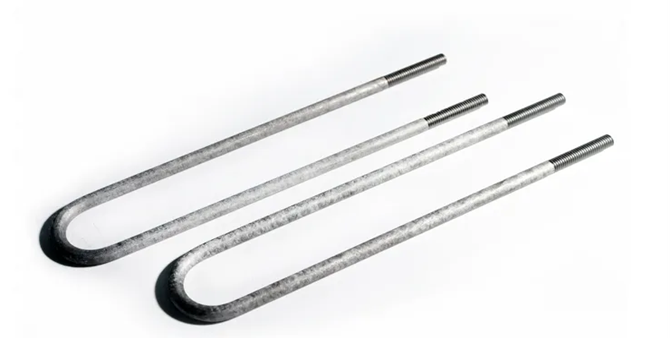
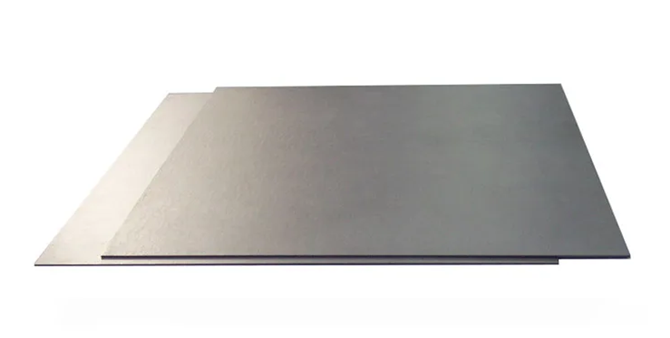
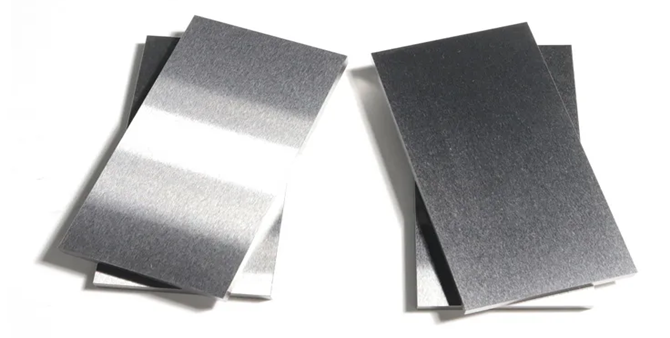
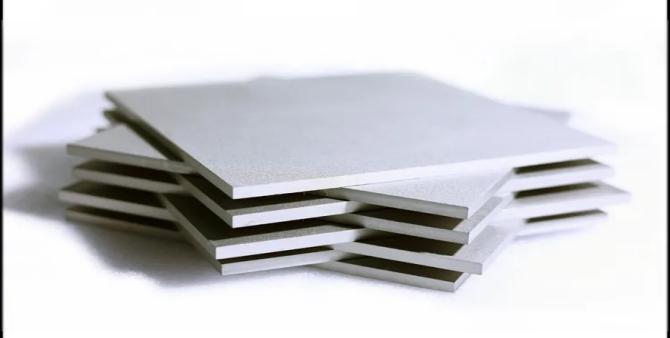
The core components of the heating furnace in hot isostatic pressing (HIP) equipment—heat insulation screens and heating elements—are typically made from two refractory metals: molybdenum (Mo) and tungsten (W). In the high-temperature environment of an HIP furnace, ordinary materials melt or soften. Therefore, the "hot zone" inside the furnace must be constructed from metals capable of withstanding extremely high temperatures. Molybdenum sheets or molybdenum alloys are widely used as heat-insulating radiation screens in the middle layer (medium-temperature region). Tungsten sheets or tungsten alloys are used in the innermost layer (highest-temperature region). Heating elements also use molybdenum wires or tungsten wires, selected based on the target temperature.
 English