Tungsten alloy machining is a precision manufacturing process that requires careful control of tooling, cutting methods, workholding, and inspection procedures. Compared with many conventional metals, tungsten alloys provide advantages such as high density, excellent wear resistance, and strong dimensional stability, but these characteristics also create challenges during machining. For components used in aerospace, medical equipment, electronics, industrial tooling, and other demanding applications, proper tungsten alloy machining methods are essential to achieve accurate dimensions and reliable surface quality. Understanding machining characteristics, tool selection, and process control helps manufacturers and buyers choose suitable materials and production solutions.
Why Tungsten Alloy Machining Requires Specialized Process Control
Tungsten alloys require specialized machining strategies because of their unique physical and mechanical characteristics. Although tungsten alloys are generally easier to process than pure tungsten, their high hardness and density still create higher requirements for cutting tools and machining conditions.
The performance of machining tungsten alloy depends on multiple factors, including alloy composition, material condition, cutting parameters, cooling methods, and machining sequence. Without suitable process control, machining may lead to excessive tool wear, surface damage, or dimensional variation.
Important process control considerations include:
Tool selection: Cutting tools need sufficient wear resistance to maintain performance during machining.
Cutting parameters: Speed, feed rate, and depth of cut should be adjusted according to material characteristics and component requirements.
Cooling and lubrication: Proper cooling helps control heat generation and supports stable machining performance.
Machining sequence: Separating rough machining and finishing operations helps improve final dimensional accuracy.
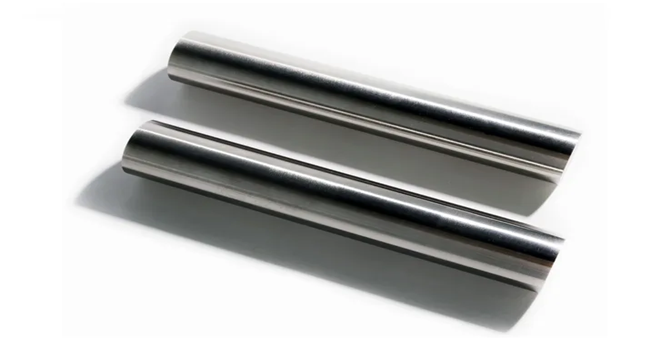
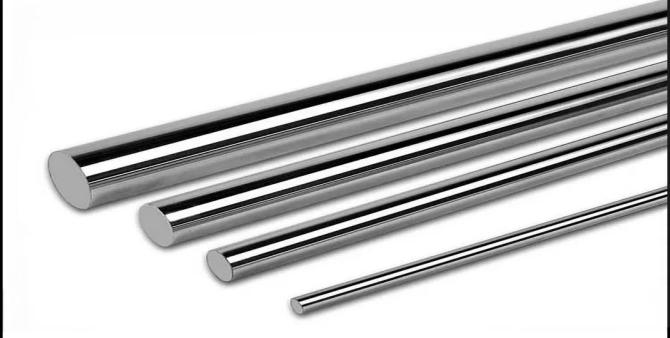
These factors are especially important when processing a tungsten alloy bar, where consistent dimensions and repeatable performance are often required for industrial applications.
Machining Characteristics of Different Tungsten Alloy Grades
Different tungsten alloy grades may show different machining behaviors depending on tungsten content, binder materials, and intended applications. Understanding these differences allows manufacturers to select more suitable processing methods.
Compared with pure tungsten, tungsten alloys are typically more machinable because alloying elements can improve toughness and reduce brittleness. However, higher tungsten content usually increases density and hardness, which may result in greater tool wear during machining.
When selecting a machinable tungsten alloy, buyers should consider the balance between material performance and manufacturing requirements. Components requiring high density and wear resistance may require different machining strategies compared with parts that need more complex shapes or tighter tolerances.
Material selection should also consider the final application environment, production volume, component geometry, and required surface quality. Choosing the right alloy grade at the beginning can reduce machining difficulties and improve production efficiency.
Cutting, Drilling, and Milling Considerations
Cutting, drilling, and milling tungsten alloys require careful planning because the material’s hardness can increase tool stress and machining difficulty. Suitable tools and optimized machining conditions help reduce wear while maintaining dimensional accuracy.
Different machining operations may require different control strategies:
| Machining Operation | Main Challenge | Key Control Factor |
|---|
| Cutting | Tool wear and heat generation | Suitable cutting speed and tool selection |
| Drilling | Hole accuracy and edge damage | Stable drilling parameters and proper tool geometry |
| Milling | Vibration and dimensional variation | Fixture stability and optimized cutting conditions |
During drilling operations, stable tool positioning and suitable cutting conditions help prevent hole defects. For milling processes, controlling vibration and maintaining consistent tool engagement are important for achieving accurate component dimensions.
Manufacturers should also consider the relationship between machining efficiency and surface quality. Increasing production speed does not always improve overall results, especially for precision tungsten alloy components that require strict dimensional control.
Workholding and Dimensional Stability
Workholding is an important factor in maintaining accuracy during tungsten alloy machining. Because tungsten alloys have high density and limited flexibility, stable positioning is necessary to prevent movement during cutting operations.
A suitable fixture should provide enough support while avoiding unnecessary stress on the workpiece. Poor clamping methods may introduce vibration, uneven machining forces, or dimensional errors.
Key considerations include:
Stable fixture design to minimize movement during machining.
Proper alignment before processing to improve dimensional consistency.
Control of thermal effects caused by machining heat.
Measurement verification between different machining stages.
Maintaining dimensional stability is especially important for precision components where even small variations may affect assembly performance or product reliability.
Surface Finish and Final Inspection
Surface finish is a critical quality factor for tungsten alloy components, particularly when parts are used in precision assemblies or applications requiring reliable contact surfaces.
The final surface condition depends on tool quality, machining parameters, material characteristics, and finishing processes. Proper control helps reduce scratches, uneven areas, and other surface defects that may affect performance.
Final inspection should confirm that finished parts meet required specifications. Common evaluation areas include dimensional accuracy, surface condition, and tolerance verification. For products made from tungsten materials, checking tungsten alloy properties before and after machining helps ensure that processing has not affected the expected performance.
Clear inspection standards also help maintain consistency between production batches and provide better quality assurance for industrial applications.
Conclusion
Tungsten alloy machining requires a combination of suitable tooling, optimized cutting methods, stable workholding, and accurate inspection. Due to the unique properties of tungsten alloys, controlling every stage of machining is essential for producing reliable components with accurate dimensions and high-quality surfaces.
By understanding material behavior and machining requirements, manufacturers can improve production consistency and provide tungsten alloy parts that meet demanding application needs.
FAQs About Tungsten Alloy Machining
Why is tungsten alloy difficult to machine?
Tungsten alloys are challenging to machine because of their high density, hardness, and wear resistance, which place greater demands on tools and machining conditions.
Is tungsten alloy easier to machine than pure tungsten?
Yes. Tungsten alloys are generally more machinable than pure tungsten because alloying elements can improve toughness and reduce brittleness.
What factors affect tungsten alloy machining quality?
Machining quality depends on material grade, tool selection, cutting parameters, cooling methods, workholding stability, and inspection procedures.
What tools are suitable for machining tungsten alloys?
Wear-resistant cutting tools are commonly selected based on alloy characteristics, component design, and required machining accuracy.
How can dimensional accuracy be maintained during tungsten alloy machining?
Stable fixtures, controlled machining conditions, thermal management, and inspection throughout production help maintain accurate dimensions.
What should buyers consider when selecting tungsten alloy materials?
Buyers should evaluate tungsten content, mechanical requirements, machinability, component design, tolerance needs, and final application conditions.
 English