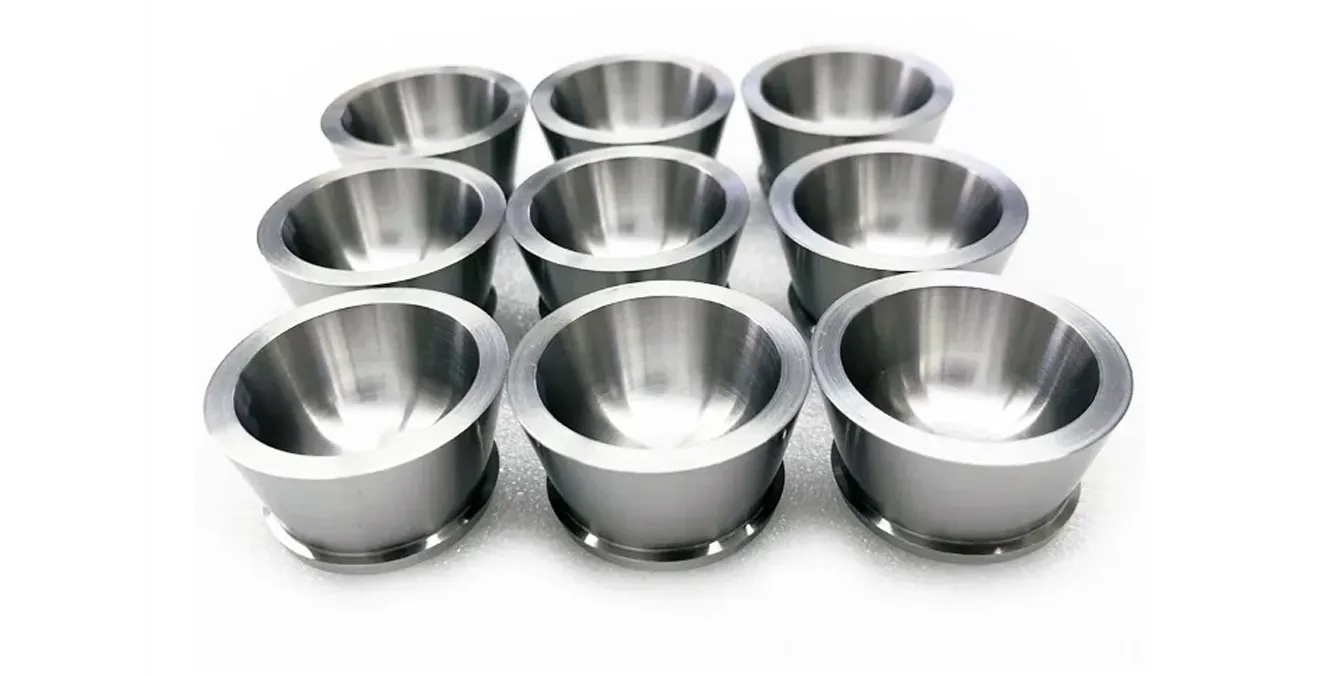
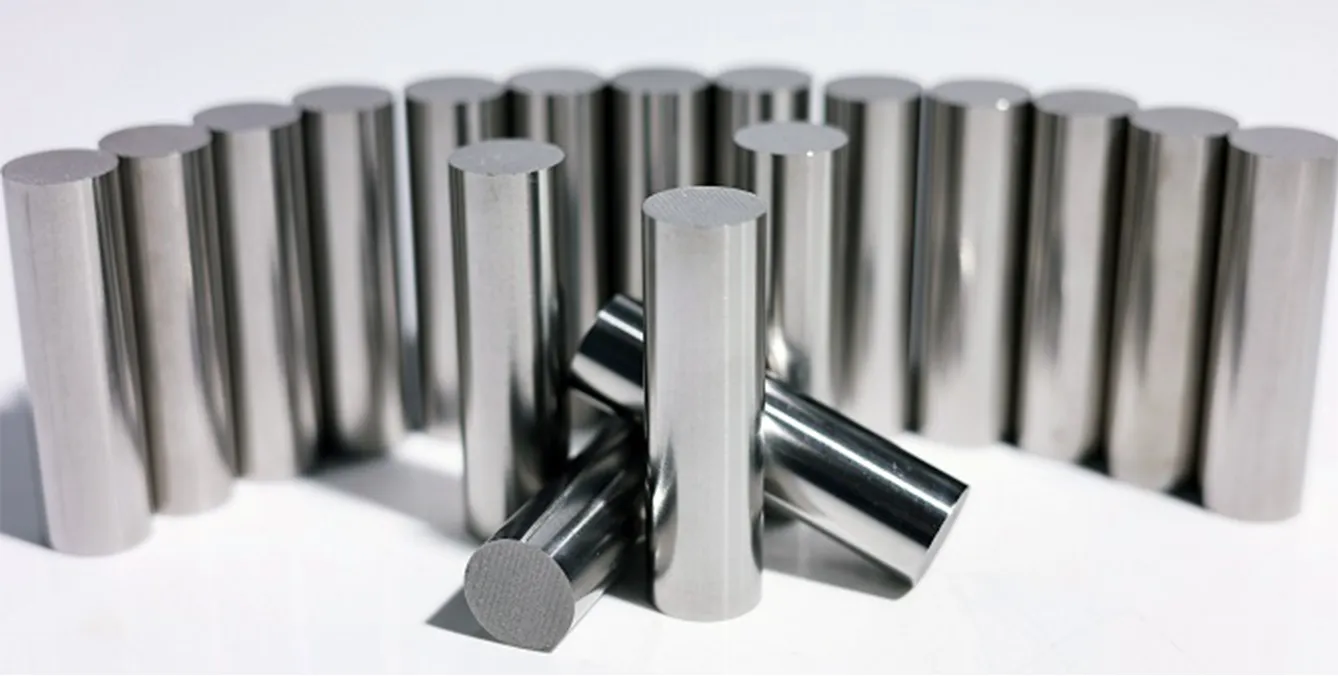
Choosing the right tungsten alloy supplier is essential for companies that need high-density materials and customized metal components for demanding industrial applications. Tungsten alloys are widely used in aerospace, medical equipment, electronics, automotive parts, radiation shielding, and precision tooling because of their excellent density, strength, wear resistance, and dimensional stability. However, suppliers can vary significantly in material quality, manufacturing capability, inspection standards, and technical support. A reliable supplier should not only provide competitive pricing but also ensure consistent material performance, accurate specifications, and stable production capacity. Before starting a sourcing project, buyers should evaluate important factors such as tungsten alloy composition, certification documents, tungsten alloy density, machining capabilities, and overall production reliability. A detailed supplier evaluation process helps reduce quality risks and ensures that customized components meet the requirements of the final application.
What to Confirm with a Tungsten Alloy Supplier
When evaluating a supplier, buyers should look beyond product availability and initial quotations. The right supplier should be able to provide clear information about raw materials, manufacturing processes, quality control procedures, and customization experience.
| Evaluation Item | What Buyers Should Confirm |
|---|
| Material specification | Tungsten content, alloy grade, and tungsten alloy composition |
| Certification and testing | Material certificates, inspection reports, and quality documentation |
| Physical properties | Tungsten alloy density, hardness, strength, and performance data |
| Custom manufacturing | Machining methods, dimensional tolerances, and production experience |
| Supply capability | Production capacity, quality control, and delivery consistency |
A professional tungsten alloy manufacturer should have the ability to support customers from material selection to final component production. This is especially important for projects requiring customized dimensions, special tolerances, or repeat manufacturing.
Tungsten Alloy Composition and Material Certification
Tungsten alloy composition directly influences the material’s performance, processing behavior, and application suitability. Different tungsten alloy grades may contain different proportions of tungsten and other alloying elements to achieve specific characteristics.
For example, some applications require higher density, while others may prioritize better machinability or mechanical balance. Therefore, buyers should confirm the exact material grade and composition before production begins.
Material certification is another important factor when selecting a supplier. Reliable suppliers should provide documentation showing that the material matches the agreed specifications. These documents may include chemical composition information, inspection records, and quality reports.
For custom industrial components, consistent material composition is critical because even small variations may affect machining performance, strength, and final product reliability. Clear certification also allows buyers to maintain quality control across repeated orders and different production batches.
Density and Mechanical Property Verification
Tungsten alloy density is one of the most important characteristics considered by buyers. Due to tungsten’s naturally high density, tungsten alloys are commonly selected for applications requiring compact weight, balance control, vibration resistance, or radiation shielding performance.
However, density should not be evaluated separately from other mechanical properties. Depending on the application, buyers may also need to consider hardness, tensile strength, wear resistance, and long-term stability under operating conditions.
A qualified supplier should be able to provide technical data and explain how material properties relate to the intended use. This helps customers choose a suitable tungsten alloy instead of selecting materials only based on density or cost.
Verification of mechanical properties is particularly important for precision components, where inconsistent material performance could affect assembly accuracy or product lifespan.
Machining and Custom Component Capabilities
Many tungsten alloy applications require customized parts with complex shapes, tight tolerances, and specific surface requirements. Therefore, machining capability is an important factor when evaluating a supplier.
Buyers should confirm:
Available machining equipment and production processes.
Ability to achieve required dimensional tolerances.
Surface finishing options for different applications.
Experience producing similar tungsten alloy components.
A supplier with strong technical experience can provide valuable suggestions during the design stage. For example, manufacturing feedback may help optimize component structures, reduce unnecessary machining steps, and improve production efficiency.
The ability to handle customized projects also reflects a supplier’s overall engineering capability. Companies that require repeated orders should pay attention to whether the supplier can maintain consistent quality between different production runs.
Factors That Influence Tungsten Alloy Price
Tungsten alloy price is influenced by several factors, including tungsten content, alloy grade, component size, machining complexity, surface requirements, and order quantity.
Higher tungsten content generally increases material costs because tungsten is a high-value raw material. In addition, customized components may require more machining time, specialized tools, and additional inspection procedures, which can also affect the final quotation.
When comparing different suppliers, buyers should avoid focusing only on the lowest price. A lower quotation may not always provide the required material consistency or production reliability.
A complete evaluation should consider material quality, technical support, delivery capability, and long-term cooperation potential. Choosing a supplier with stable manufacturing processes can help reduce unexpected costs caused by quality issues or production delays.
Conclusion
Selecting the right tungsten alloy supplier requires careful evaluation of material quality, certification, density control, machining capability, and pricing factors. A supplier with strong manufacturing experience can provide more reliable solutions for customized tungsten alloy components.
By reviewing technical documentation, production capabilities, and quality control procedures before ordering, buyers can reduce sourcing risks and establish a more stable supply relationship for future projects.
FAQs About Tungsten Alloy Supplier Selection
What should buyers check when choosing a tungsten alloy supplier?
Buyers should evaluate material specifications, certification documents, manufacturing capability, machining experience, quality control procedures, and delivery reliability.
Why is tungsten alloy composition important?
Tungsten alloy composition affects density, mechanical performance, machinability, and the suitability of the material for different applications.
How is tungsten alloy density verified?
Tungsten alloy density can be verified through supplier testing reports, material certificates, and inspection documentation.
Can a tungsten alloy supplier provide custom components?
Yes. Many suppliers provide customized machining services based on customer drawings, dimensions, tolerance requirements, and application needs.
Why does tungsten alloy price vary between suppliers?
Price differences may result from tungsten content, material grade, machining complexity, inspection requirements, order quantity, and production processes.
What documents should buyers request before placing an order?
Buyers should request material certificates, inspection reports, technical specifications, and other quality documents related to the selected tungsten alloy product.
 English