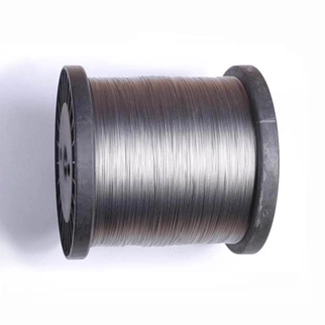
Tungsten wire drawing is a precision manufacturing process used to reduce tungsten material into smaller diameters while improving dimensional accuracy, surface quality, and mechanical performance. Due to tungsten’s extremely high melting point, hardness, and excellent temperature resistance, producing stable wire requires strict control of every drawing stage. For applications such as lighting components, electronic parts, heating elements, and specialized industrial products, the quality of tungsten wire drawing directly affects product reliability. Factors including diameter consistency, surface condition, and tensile performance determine whether the final wire can meet demanding application requirements. Understanding these production factors helps buyers evaluate suitable specifications for fine tungsten wire, thin tungsten wire, and other tungsten products.
How the Tungsten Wire Drawing Process Works
The tungsten wire drawing process reduces the diameter of tungsten material by pulling it through a series of precision dies. Instead of producing the final diameter in a single step, manufacturers gradually reduce the wire size through multiple drawing passes to maintain dimensional stability and avoid excessive stress.
Before drawing, tungsten material is prepared to improve consistency and reduce potential defects. During the drawing process, factors such as die condition, reduction ratio, lubrication, and intermediate treatment influence the final tungsten wire properties.
Because pure tungsten wire is relatively difficult to process due to its hardness and limited flexibility, controlled deformation is essential. Proper drawing methods help achieve the required wire diameter while maintaining strength, surface quality, and performance stability.
Diameter Reduction and Dimensional Control
Diameter reduction is one of the most important stages in tungsten wire manufacturing. Each drawing pass changes the wire dimensions and internal structure, so manufacturers need to carefully manage reduction levels to achieve accurate results.
For small-diameter tungsten products, even slight dimensional variations may influence electrical resistance, heating efficiency, or assembly accuracy. Consistent measurement throughout production helps maintain product quality and reduce variation between batches.
Important dimensional control factors include:
Diameter tolerance: Ensures the finished wire matches customer specifications and application requirements.
Roundness consistency: Helps maintain stable performance during processing and installation.
Drawing reduction control: Prevents excessive deformation that may cause cracks or uneven structure.
Length and straightness control: Improves handling efficiency and downstream processing accuracy.
A balanced drawing process allows manufacturers to achieve smaller diameters while maintaining the mechanical properties required for different applications.
Surface Defects to Monitor During Wire Drawing
Surface quality is another critical factor affecting tungsten wire performance. During drawing, surface defects may occur because of improper lubrication, worn dies, material inconsistency, or excessive processing stress.
Common issues include scratches, cracks, uneven textures, and surface contamination. These defects may reduce reliability, especially in applications where tungsten wire operates under high temperatures or repeated mechanical stress.
Manufacturers usually monitor surface conditions throughout production by maintaining suitable lubrication systems, checking die performance, and performing visual inspections. A high-quality thin tungsten wire should have a clean and consistent surface suitable for precision applications.
The required surface quality depends on the end use. For example, tungsten wire used in heating elements may require strong thermal stability, while wire used in electronic components may require tighter dimensional and surface control.
Tensile Strength and Mechanical Performance of Fine Tungsten Wire
The mechanical performance of tungsten wire is closely related to the drawing process. As tungsten passes through multiple drawing stages, its internal structure changes, which can increase strength while affecting flexibility.
Tungsten wire tensile strength is an important specification for buyers because it indicates how much mechanical load the wire can withstand before failure. However, higher strength does not always mean better performance. Some applications require a balance between strength, ductility, and formability.
The final mechanical characteristics depend on tungsten purity, drawing reduction, heat treatment, and production conditions. A well-controlled process helps manufacturers produce wire that can withstand demanding operating environments while maintaining stable performance.
When selecting tungsten wire, buyers should consider not only tensile strength but also straightness, elongation, temperature resistance, and compatibility with the intended application.
Inspection Requirements for Thin Tungsten Wire
Inspection ensures that tungsten wire meets technical requirements before shipment. Since fine wire is often used in precision applications, quality evaluation should include dimensional checks, surface examination, and mechanical testing.
Manufacturers and buyers should confirm inspection requirements according to the intended application. Clear quality standards help maintain consistency between production batches and reduce potential issues during assembly or operation.
| Inspection Item | Purpose | Evaluation Focus |
|---|
| Diameter measurement | Confirm dimensional accuracy | Diameter tolerance and consistency |
| Surface inspection | Identify visible defects | Scratches, cracks, contamination |
| Tensile testing | Verify mechanical performance | Tensile strength and elongation |
| Material verification | Confirm material quality | Tungsten purity and composition consistency |
For customers evaluating tungsten wire properties, additional requirements may include production traceability, packaging methods, and specific testing procedures. Communicating these requirements before production helps ensure the delivered wire matches the expected performance standards.
Conclusion
Tungsten wire drawing determines the final diameter, surface quality, and mechanical performance of tungsten products. Through controlled diameter reduction, careful surface monitoring, and reliable inspection procedures, manufacturers can produce stable fine and thin tungsten wire for demanding applications.
Understanding these manufacturing factors allows buyers to make better decisions when comparing tungsten wire specifications and selecting products that meet their technical requirements.
FAQs About Tungsten Wire Drawing
What is tungsten wire drawing?
Tungsten wire drawing is a manufacturing process that reduces tungsten material into smaller diameters through precision dies while controlling dimensional accuracy and mechanical properties.
Why is diameter control important for tungsten wire?
Accurate diameter control ensures consistent electrical, thermal, and mechanical performance, especially in precision applications.
What factors affect tungsten wire tensile strength?
Tensile strength is influenced by tungsten purity, drawing reduction ratio, heat treatment conditions, and manufacturing processes.
What surface defects can occur during tungsten wire drawing?
Common defects include scratches, cracks, uneven surfaces, and contamination caused by processing conditions or material issues.
What is the difference between fine tungsten wire and thin tungsten wire?
Both refer to small-diameter tungsten products, but their specific definitions depend on diameter requirements and application standards.
How should tungsten wire quality be inspected?
Quality inspection should include diameter measurement, surface evaluation, tensile testing, and confirmation of material specifications before use.
 English