Furnace Components as Heating Elements
Function
When energized, they convert electrical energy into thermal energy by virtue of their own electrical resistance, providing a heat source for the furnace chamber.
Reasons
Extremely High Melting Point: Molybdenum has a melting point of 2622°C, while tungsten boasts an extremely high melting point of 3422°C—the highest among all metals. This enables them to withstand extreme high temperatures that other metals (e.g., Fe-Cr-Al alloys, nichrome wires) cannot endure.
High-Temperature Strength: Above 1600°C, the strength of tungsten and molybdenum is much higher than that of graphite, allowing them to maintain their shape without softening or deforming.
Typical Forms
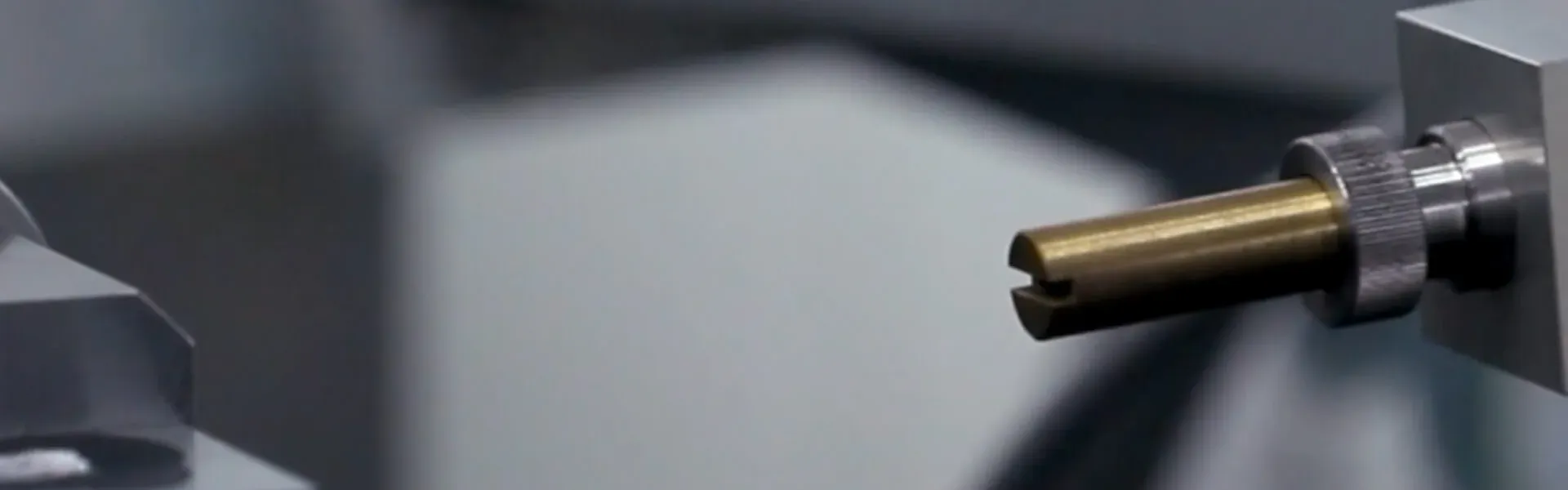
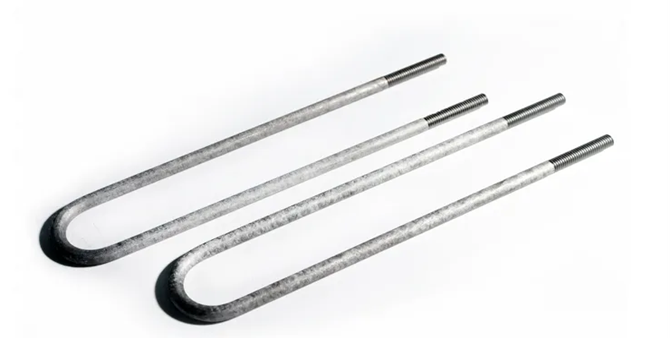
Wire, rod, ribbon, or processed into mesh or spiral shapes.
Furnace Components as Heat Shields/Radiation Shields
Function
In vacuum furnaces or atmosphere furnaces, they enclose the heating zone and reduce heat loss by reflecting thermal radiation, thereby improving thermal efficiency and creating a uniform thermal field.
Reasons
Low Vapor Pressure: In high-temperature vacuum environments, they are not prone to volatilization, preventing contamination of the furnace interior and workpieces.
High Reflectivity: After polishing, they can effectively reflect thermal radiation, achieving a heat insulation effect.
Typical Form
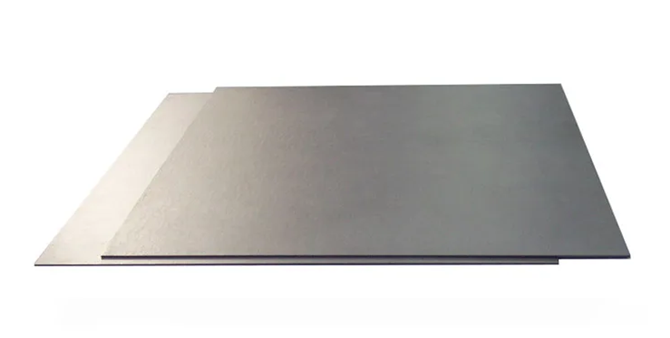
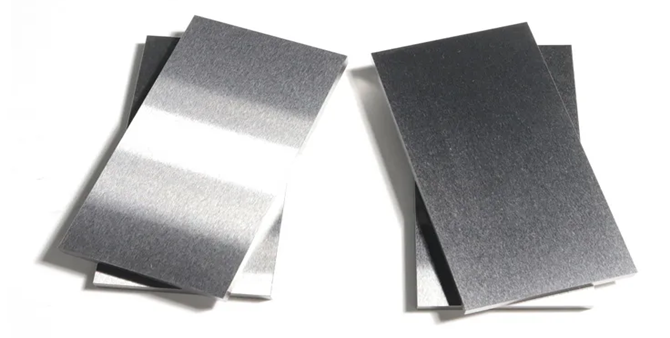
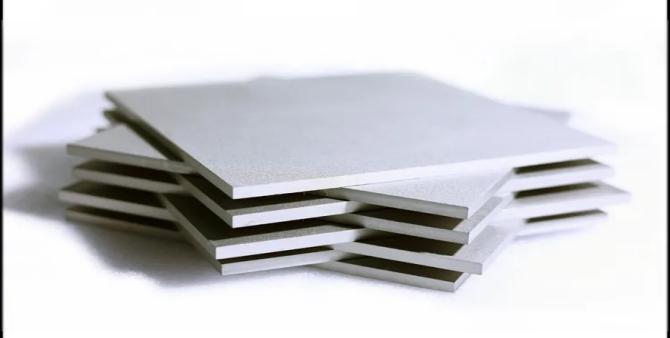
Thin sheets, usually used in multiple stacked layers (referred to as "muffle screens" or "radiation screens").
Furnace Components as Structural Components
Function
Used to manufacture boats, crucibles, supports, fasteners, and other components, which are employed to hold or secure workpieces being heated.
Reasons
High-Temperature Creep Resistance: Exhibits strong resistance to deformation under prolonged high temperatures, enabling stable support for workpieces.
Workpiece Compatibility: For certain special processes, they do not react with specific molten materials (e.g., sapphire crystals, quartz glass, rare earth metals).
Application Scenarios
Vacuum Sintering Furnaces: Used for sintering tungsten carbide, high-performance ceramics, magnetic materials, etc.
Crystal Growth Furnaces: Such as the thermal field for sapphire crystal growth (Kyropoulos method, Edge-Defined Film-Fed Growth method).
High-Temperature Annealing Furnaces: Applied in high-purity annealing for the semiconductor industry and metal material research.
Heat Treatment of Aerospace Engine Blades: Used for solution treatment of superalloys in a vacuum environment.
Scientific Research Furnaces: For various scientific researches requiring extreme high-temperature environments.
 English