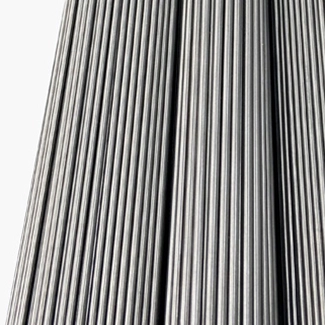
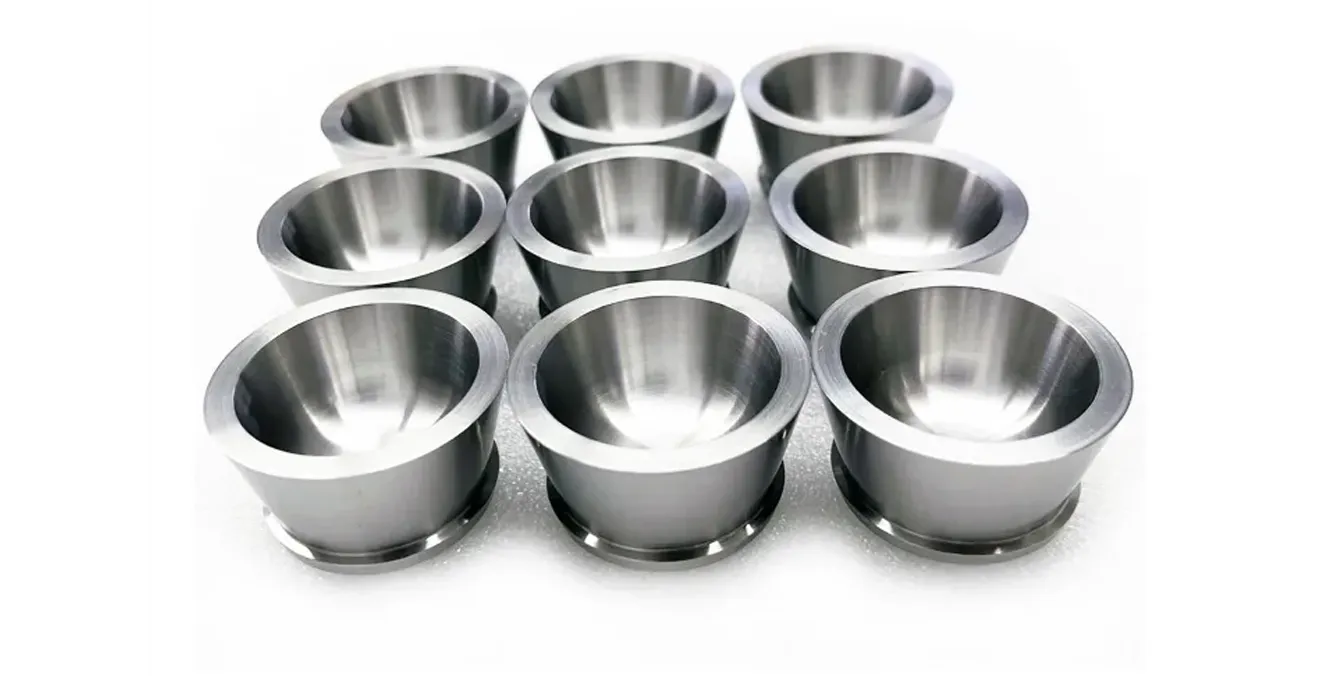
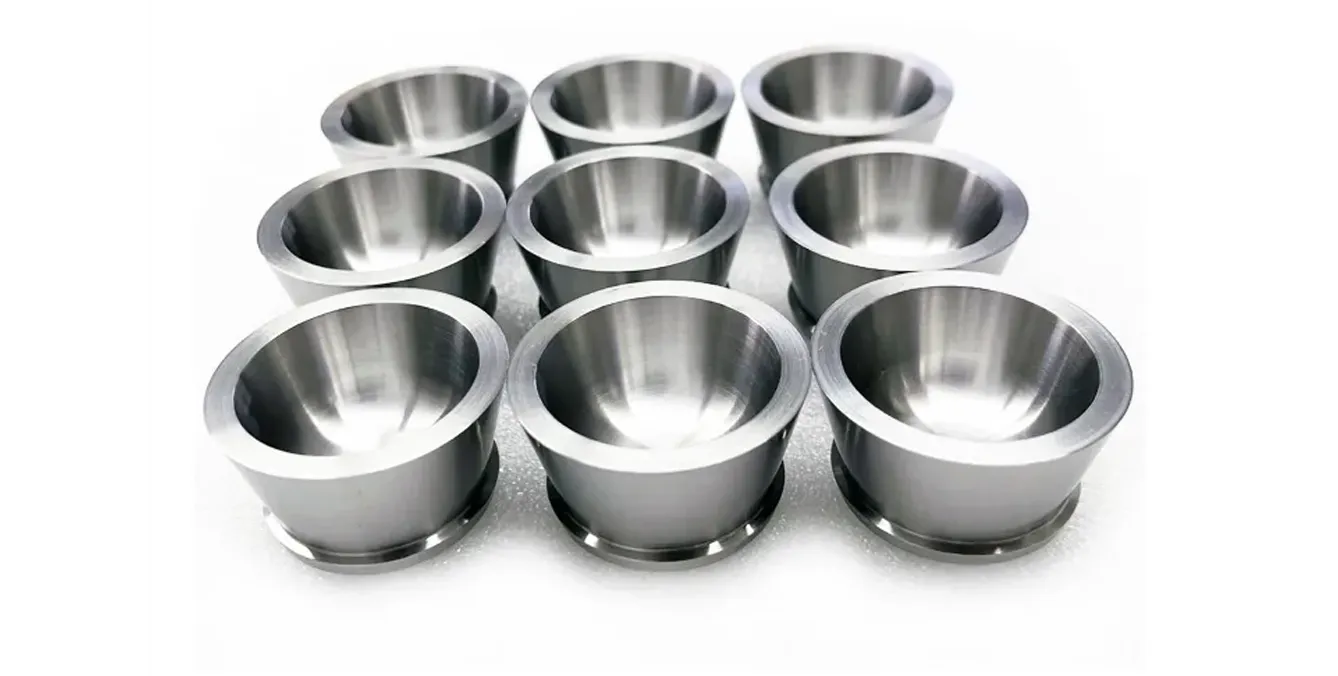
A tungsten heating element is widely used in high-temperature vacuum furnaces because tungsten combines an extremely high melting point with electrical and thermal properties suited to demanding heating environments. However, reliable performance depends on much more than material selection. Element geometry, electrical resistance, wire dimensions, support design, connections, thermal expansion, and operating atmosphere all influence heating behavior and service life.
For furnace manufacturers and industrial buyers, the heating element should therefore be treated as an engineered component. Gemei Metal supplies tungsten materials and custom components according to drawings, dimensions, material specifications, and application requirements.
How a Tungsten Heating Element Works
A tungsten heating element generates heat through electrical resistance. When electrical current passes through the element, electrical energy is converted into heat, allowing the element to radiate thermal energy into the furnace hot zone.
Its performance depends on several related variables. Length, cross-sectional area, material properties, and operating temperature influence electrical resistance, while the physical arrangement affects heat distribution.
For this reason, tungsten heaters should not be selected only by overall dimensions. Engineers should first define the required furnace temperature, hot-zone geometry, electrical conditions, and operating environment, then determine an appropriate element configuration.
Heating Element Geometry and Electrical Resistance
Geometry has a direct relationship with the electrical and thermal performance of a tungsten heating element. Increasing conductor length or changing its cross-sectional area changes resistance, while the physical arrangement determines how the heating surface is distributed inside the furnace.
| Configuration | Main Characteristic | Key Design Consideration |
|---|
| Straight element | Simple heating path | Support and connection layout |
| Tungsten wire | Small cross section | Resistance and mechanical stability |
| Tungsten coil | Compact, longer heating path | Coil diameter, pitch and spacing |
| Custom geometry | Matches specific hot zone | Manufacturing and installation |
A design should therefore consider resistance, voltage, current, dimensions, and target operating conditions together. Selecting dimensions independently can result in unsuitable electrical loading or uneven thermal performance.
Tungsten Heating Wire and Coil Configuration
A tungsten heating wire provides flexibility when a heating path must fit within a limited furnace space. Depending on the furnace design, it can also be formed into a tungsten heating coil, allowing a longer effective conductor path within a more compact area.
Important parameters include:
Wire diameter and effective length
Coil diameter, pitch, and spacing
Required electrical resistance
Furnace voltage and current conditions
Target operating temperature
Mechanical support locations
A tungsten heater wire should not be specified by diameter alone. Changing the diameter, length, or coil geometry can affect both resistance and high-temperature mechanical behavior.
For custom projects, Gemei Metal can manufacture tungsten components according to customer drawings and dimensional specifications.
Support, Connection, and Thermal Expansion Considerations
Mechanical support becomes increasingly important when a tungsten heating element reaches high operating temperatures. The element must remain correctly positioned while being allowed to respond to dimensional changes caused by heating and cooling.
Supports should prevent excessive movement or unintended contact with surrounding furnace components without creating unnecessary mechanical constraint. Connection areas also require careful design because they form the transition between the heating element and electrical supply.
Thermal expansion should be considered across the entire assembly. A configuration that appears stable at room temperature can behave differently after repeated heating cycles. Support positions, connection geometry, and available clearance should therefore be designed around actual furnace conditions rather than universal spacing values.
Common Causes of Tungsten Heating Element Failure
Premature failure of tungsten heaters can result from a combination of electrical, mechanical, environmental, and installation factors rather than one isolated material problem.
Potential causes include excessive or uneven electrical loading, localized overheating, unsuitable support arrangements, contamination, poor connections, and unintended contact with adjacent components. Repeated thermal cycling may also affect the mechanical condition of an element over time.
Operating atmosphere is particularly important. Tungsten can oxidize when exposed to oxygen at elevated temperatures, making environmental control a critical consideration in high-temperature applications.
When investigating a failed tungsten heating element, engineers should therefore examine electrical parameters, furnace atmosphere, supports, connections, geometry, and operating history together.
What to Specify When Ordering a Custom Tungsten Heating Element
A detailed RFQ helps the manufacturer understand both component geometry and operating requirements. Whenever possible, buyers should provide a technical drawing showing critical dimensions, tolerances, connection points, and the required element configuration.
For a custom tungsten heating element, useful information includes material requirements, wire or component dimensions, quantity, geometry, dimensional tolerances, surface requirements, and inspection documentation.
Operating information can also provide valuable context. Buyers may specify target temperature, furnace atmosphere or vacuum conditions, voltage, current, resistance requirements, support arrangement, and connection design where applicable.
Gemei Metal can review these requirements against customer drawings, helping clarify manufacturing specifications before production.
Conclusion
Designing a reliable tungsten heating element requires electrical, thermal, and mechanical factors to be considered together. Resistance, geometry, tungsten heating wire dimensions, coil configuration, support locations, electrical connections, thermal expansion, and furnace atmosphere can all affect performance. Instead of selecting a standard element solely by dimensions, furnace designers should define actual operating requirements and translate them into a clear component specification. For custom tungsten heaters, providing Gemei Metal with detailed drawings, electrical parameters, dimensions, quantities, and operating conditions can support a more accurate manufacturing evaluation and quotation.
FAQs About Tungsten Heating Element
Can tungsten heating elements operate in air at high temperatures?
Tungsten is susceptible to oxidation in oxygen-containing environments at elevated temperatures, so furnace atmosphere must be considered during design.
Is tungsten heating wire always made into a coil?
No. It can be used in different configurations depending on the required heating geometry and furnace design.
What determines tungsten heater wire resistance?
Resistance depends on factors including material properties, conductor length, cross-sectional area, and operating temperature.
Can one tungsten heating coil fit different vacuum furnaces?
Not necessarily. Electrical conditions, furnace dimensions, hot-zone geometry, mounting, and operating requirements may require different designs.
Why can tungsten heating elements deform during operation?
High temperature, thermal cycling, mechanical loading, element geometry, and support arrangement can all influence dimensional stability.
What information is needed for a custom quotation?
Buyers should provide drawings, material requirements, dimensions, tolerances, quantity, geometry, electrical parameters, operating conditions, connection details, and relevant inspection requirements.
 English