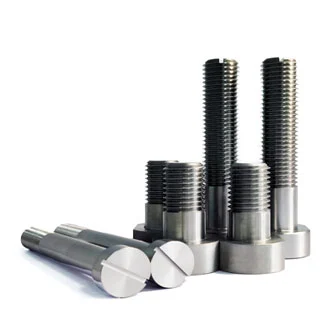
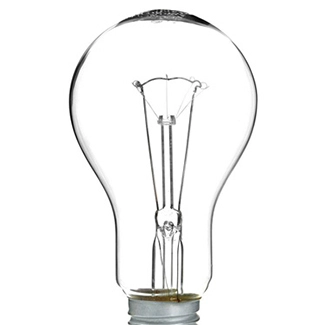
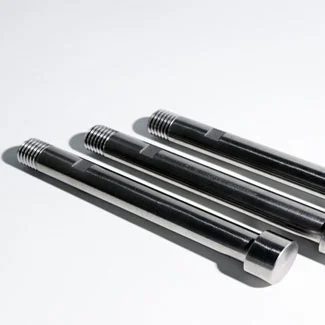
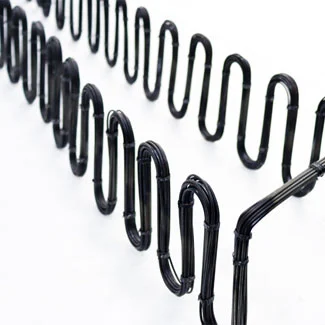
Tungsten fasteners are widely used in the field of vacuum furnaces due to their ability to withstand extreme high temperatures, maintain good mechanical stability, and resist deformation in harsh thermal environments. Choosing the right tungsten bolts, tungsten screws, tungsten nuts, and thread design requires a comprehensive consideration of factors such as material grade, operating temperature, vacuum environment, mechanical stress, and assembly requirements.
For vacuum furnace applications, the best fastener solution depends on factors such as the purity of the tungsten material, alloy selection, thread precision, and surface treatment methods. High-quality tungsten fasteners can provide reliable connections for furnace heating elements, insulation screens, thermal insulation structures, and high-temperature components, which are usually environments that ordinary metal fasteners cannot withstand for long periods.
Xi'an GEMEI Metal Materials Co., Ltd. specializes in the research, manufacture, and supply of tungsten, molybdenum, and refractory metal products. With advanced processing technology and rich industry experience, GEMEI can provide customized tungsten fastener solutions for global high-temperature industrial applications.
Why are tungsten fasteners used in vacuum furnaces?
Vacuum furnaces usually need to operate at extremely high temperatures and in special atmospheric environments, which poses severe challenges for traditional fastening materials. Stainless steel and nickel-based alloys may experience strength degradation, oxidation, or creep deformation in long-term high-temperature environments.
Due to its excellent physical properties, tungsten becomes one of the most suitable materials for such environments.
The main advantages of tungsten fasteners include:
Very high melting point: approximately 3420℃
Excellent high-temperature strength retention
Very low vapor pressure in vacuum environments
Outstanding thermal stability
Strong resistance to thermal deformation
Good adaptability to high-temperature furnace atmospheres
These characteristics make tungsten materials suitable for the following equipment:
Vacuum heat treatment furnaces
Semiconductor processing equipment
Sapphire crystal growth furnaces
High-temperature sintering systems
Hydrogen atmosphere furnaces
Aerospace material processing equipment
In vacuum furnace components, tungsten fasteners are commonly used to connect:
Selecting the correct tungsten bolts or tungsten screws can ensure stable equipment operation and reduce the maintenance frequency due to fastener failure.
What types of tungsten fasteners are used in high-temperature applications?
Different furnace structures require different types of fastening solutions. Manufacturers typically provide various tungsten fastener products based on mechanical strength requirements and installation environments.
Tungsten Bolts
Tungsten bolts are mainly used in applications that require stronger mechanical connection capabilities and higher load-bearing capacity.
Their main characteristics include:
Maintaining good strength in high-temperature environments
Excellent dimensional stability
Good resistance to thermal cycling
Reliable performance in vacuum environments
Common applications include:
Furnace support structures
Heating element components
High-load high-temperature parts
Tungsten Screws
Tungsten screws are mainly used in scenarios requiring precise fixation, small space installation, and high positioning accuracy.
Typical applications include:
Insulation screens
Furnace insulation fixing structures
Electronic processing equipment
Precision high-temperature components
Due to tungsten's higher hardness and lower ductility compared to ordinary metals, professional processing technology is required when manufacturing tungsten threads.
Tungsten Nuts and Threaded Components
Tungsten nuts are usually used in conjunction with tungsten bolts or tungsten screws to ensure material performance consistency during high-temperature operations.
Using tungsten fastener components with the same material can reduce issues caused by thermal expansion differences between different materials.
A complete tungsten fastening system may include:
GEMEI can provide customized refractory metal fastening solutions based on customer drawings and actual application needs.
How to choose the appropriate tungsten material grade and thread design?
Choosing tungsten fasteners is not just about selecting tungsten material; material grade, processing method, and thread design all directly impact final performance.
Tungsten Material Selection
Common tungsten materials include:
Pure Tungsten
Pure tungsten is widely used in vacuum furnace components requiring the following properties:
Suitable for:
Doped Tungsten
Doped tungsten can improve:
Grain structure stability
High-temperature performance
Recrystallization resistance
Usually applied in:
Considerations for Thread Design
Thread design is crucial for tungsten fasteners because, while tungsten has very high hardness, its ductility at room temperature is low.
Main considerations include:
Thread Precision
Precision processing can ensure:
Thread Size
The appropriate thread size depends on:
Thread Protection
Since excessive fastening force may damage tungsten threads, reasonable control must be exercised during installation.
For high-temperature furnace systems, professional manufacturers can recommend suitable thread specifications based on working environments and usage conditions.
What factors need to be considered when installing tungsten bolts and tungsten screws?
Correct installation is crucial for extending the lifespan of tungsten fasteners. Even high-performance materials can fail if installation methods are not appropriate.
Important installation considerations include:
Avoiding Excessive Mechanical Stress
Tungsten has excellent compressive strength but limited ductility.
Excessive locking torque may lead to:
Crack formation
Thread damage
Considering Thermal Expansion Effects
While tungsten has a low coefficient of thermal expansion, repeated heating and cooling cycles over time may still generate mechanical stress.
Engineers need to consider:
Maintaining Surface Cleanliness
Vacuum furnace applications typically have very strict cleanliness requirements.
Contaminants on fastener surfaces may affect:
Vacuum performance
Material purity
Product quality
Therefore, proper cleaning and treatment must be carried out before installation.
Experienced tungsten fastener manufacturers can provide technical guidance for customers in material selection, processing, and installation.
Why choose GEMEI for custom tungsten fasteners?
Choosing a reliable supplier is crucial for tungsten material components because refractory metal processing requires specialized equipment and advanced manufacturing technology.
GEMEI is one of China's professional manufacturers of tungsten, molybdenum, and their alloy materials.
Xi'an GEMEI Metal Materials Co., Ltd. was established in 1995 with a registered capital of 20 million yuan, and is one of the earlier companies engaged in the research, production, and service of tungsten and molybdenum materials in China.
The company has:
About 30,000 square meters of building area
About 50,000 square meters of production area
Nearly 350 employees
A professional technical team
An annual production capacity of about 500 tons
GEMEI has complete tungsten and molybdenum processing equipment, including:
The company implements full-process quality control from raw material preparation to final products, ensuring stable product performance and reliable quality.
GEMEI produces a variety of tungsten and molybdenum products, including:
These products are widely used in:
For custom tungsten screws, tungsten bolts, tungsten nuts, or other refractory metal components, customers can get technical consultations and product solutions through Contact Us.
Conclusion: How to choose the best tungsten fasteners for vacuum furnaces?
Selecting the right tungsten fasteners requires comprehensive consideration of:
High-quality tungsten bolts, tungsten screws, and tungsten nuts can provide:
Before purchasing, customers should clarify:
Furnace operating temperature
Operating atmosphere
Fastener size requirements
Thread specifications
Mechanical load conditions
Surface treatment and purity requirements
Collaborating with experienced manufacturers can ensure that fasteners are designed and produced to meet actual application needs.
With advanced refractory metal processing technology and years of industry experience, GEMEI provides reliable tungsten fastening solutions for high-demand high-temperature applications worldwide.
 English