Choosing the right molybdenum plate is not just about selecting a material with high temperature resistance. The correct specification choice depends on multiple technical factors, including molybdenum material grade, thickness range, dimensional tolerances, surface treatment methods, and the final application environment. For industries such as semiconductor manufacturing, vacuum furnaces, aerospace, electronics, and high-temperature processing, these parameters directly affect product performance, service life, and processing efficiency.
A reliable molybdenum plate specification requires clarifying molybdenum material purity grade, mechanical performance requirements, dimensional tolerances, and surface conditions before production begins. Working with experienced molybdenum plate suppliers can ensure that the material meets actual application needs while reducing processing risks and unnecessary costs.
Xi'an GEMEI Metal Materials Co., Ltd. focuses on the research, development, production, and supply of tungsten, molybdenum, and their alloy materials. The company has complete production capabilities from powder metallurgy, sintering, rolling to precision machining and finished product manufacturing, providing customized material solutions for global customers.
What is a molybdenum plate? Where is it mainly used?
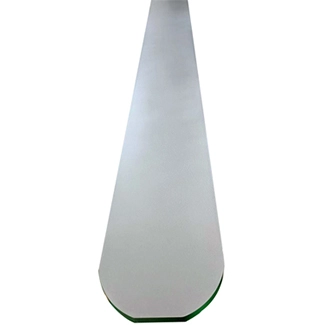
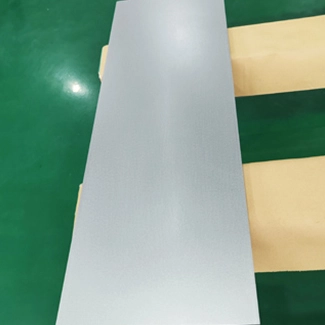
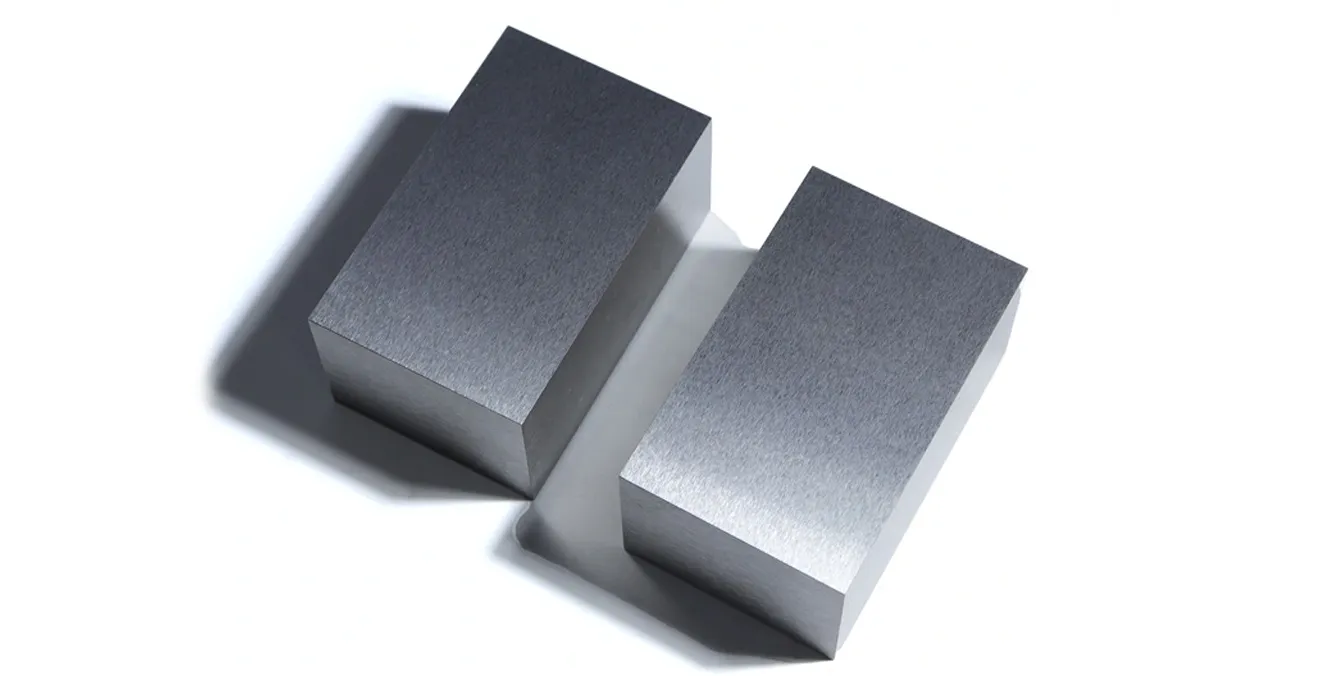
Molybdenum plate is a high-performance refractory metal material manufactured through processes such as powder metallurgy, sintering, rolling, and surface treatment.
Molybdenum has an ultra-high melting point of about 2620°C, excellent thermal conductivity, a low thermal expansion coefficient, and good corrosion resistance, making it widely used in various harsh industrial environments.
Unlike ordinary metals, molybdenum materials can maintain good mechanical strength in extreme high-temperature and vacuum environments, making them very suitable for application scenarios where traditional materials cannot meet the requirements.
Typical applications of molybdenum plates include:
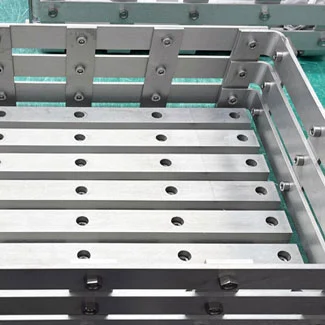
Semiconductor manufacturing industry: wafer carriers, furnace components, thermal insulation shields, etc.
Vacuum furnace systems: heating elements, support structures, and furnace components
Electronics industry: electrodes, grids, and thermal management components
Aerospace field: high-temperature structural parts
Sapphire crystal growth field: crucible supports and furnace components
Medical and energy industries: special high-temperature equipment components
When selecting molybdenum plates, engineers need to consider not only the material's chemical composition but also the production process, dimensional accuracy, and surface quality requirements.
Since 1995, GEMEI has been committed to tungsten and molybdenum material manufacturing, providing high-quality molybdenum plates, sheets, foils, rods, and deep-processed products to global customers.
How to choose the right molybdenum plate grade based on applications?
The grade of molybdenum plate determines the material's purity, strength, ductility, and performance in different working environments. The most suitable material selection requires comprehensive consideration of working temperature, mechanical load, usage atmosphere, and processing requirements.
High Purity Molybdenum Plate
Pure molybdenum plates typically contain more than 99.95% molybdenum and are mainly used in applications with high requirements for thermal performance and chemical stability.
Their main advantages include:
Excellent high-temperature performance
Good thermal conductivity
Low thermal expansion coefficient
Good dimensional stability in a vacuum environment
High purity molybdenum materials are widely used in:
Semiconductor equipment
Vacuum furnace systems
Electronic components
TZM Molybdenum Alloy Plate
TZM (Titanium Zirconium Molybdenum Alloy) is a strengthened molybdenum alloy with added titanium and zirconium elements. Compared to pure molybdenum, TZM has superior comprehensive performance.
Its advantages include:
Higher recrystallization temperature
Stronger creep resistance
Better mechanical strength in high-temperature environments
TZM molybdenum alloy is typically used in:
Considerations for Molybdenum Alloy Selection
When determining molybdenum plate specifications, engineers should comprehensively evaluate the following factors:
| Application Needs | Recommended Material Selection |
|---|
| Extreme high-temperature environments | High purity molybdenum or TZM molybdenum alloy |
| Vacuum furnace applications | Low oxygen molybdenum material |
| High mechanical load environments | TZM alloy |
| Semiconductor process equipment | High purity molybdenum |
| Precision components | Control grain structure and surface treatment |
Choosing the correct material grade at the project's early stage can effectively avoid premature failure and enhance overall equipment reliability.
How to determine the thickness and size of molybdenum plate?
Thickness selection is one of the most important factors when purchasing molybdenum plates. The ideal thickness depends on the mechanical strength requirements, thermal environment, processing method, and final part design.
Common thickness selections include:
Thin Molybdenum Plate
Thin specification molybdenum plates are usually applied in:
Such applications usually require strict control of:
Flatness
Thickness deviation
Surface quality
Medium and Thick Specification Molybdenum Plate
Thicker molybdenum plates have:
Higher structural strength
Better deformation resistance
Longer thermal cycle service life
They are usually applied in:
When purchasing molybdenum plates, customers should provide the following information:
Length × Width dimensions
Required thickness
Working temperature
Working environment (vacuum, hydrogen, inert gas, etc.)
Processing requirements
Professional manufacturers can recommend the most suitable size range for customers based on production capabilities and actual application conditions.
What are the tolerances and surface treatment methods for molybdenum plates?
Dimensional tolerances and surface treatments directly affect processing performance and final product quality. High-quality molybdenum plates should maintain stable thickness, flatness, and surface condition throughout the material process.
Thickness and Dimensional Tolerances
Tolerance requirements usually depend on:
Molybdenum plate thickness
Production process
Application precision requirements
Customer processing needs
For precision applications, stricter tolerance control can reduce material waste and improve production efficiency.
Main control parameters include:
Molybdenum Plate Surface Treatment Methods
Different applications require different surface conditions:
Rolled Surface
Suitable for general industrial use, usually requiring further processing or polishing.
Polished Surface
Can provide:
Suitable for precision component manufacturing.
Polished Surface
Mainly used for applications requiring higher surface quality, such as:
Semiconductor and optical-related industries usually have stricter surface quality requirements, as surface defects may affect the final product performance.
Experienced molybdenum plate suppliers can provide customized surface treatment solutions based on customer drawings and technical requirements.
How to make the best molybdenum plate specification choice? (Conclusion)
Successful molybdenum plate specification design requires comprehensive consideration of material grade, thickness, tolerance, surface treatment, and actual application needs.
For high-temperature industrial applications, merely choosing the right material is not enough; manufacturing process level and supplier experience are equally important.
Before purchasing molybdenum plates, customers should clarify:
Required molybdenum material grade
Plate size and thickness
Tolerance requirements
Surface treatment requirements
Working environment
Subsequent processing needs
Choosing an experienced molybdenum plate supplier can provide professional technical advice, stable product quality, and customized solutions.
With years of industry experience and advanced production capabilities, GEMEI provides reliable molybdenum material products suitable for high-demand industrial environments to global customers.
For customization needs, customers can Contact Us for specification consultation, application solutions, and production support.
Frequently Asked Questions about Molybdenum Plates
Which molybdenum plate grade is most suitable for high-temperature applications?
High purity molybdenum and TZM molybdenum alloy plates are usually used for high-temperature applications.
Pure molybdenum has excellent thermal conductivity and high-temperature performance, while TZM molybdenum alloys have higher strength and better creep resistance, making them more suitable for environments with high-temperature mechanical loads.
Can molybdenum plates be customized according to drawings?
Yes.
Professional molybdenum material manufacturers can provide customized sizes, thicknesses, tolerances, surface treatments, and deep processing services based on customer drawings and technical requirements.
Why is molybdenum plate surface treatment important?
Surface quality affects the material's cleanliness, friction performance, processing performance, and final part reliability.
For example, semiconductor equipment and vacuum systems usually require smoother and cleaner surfaces to reduce contamination risks and enhance equipment operational stability.
 English