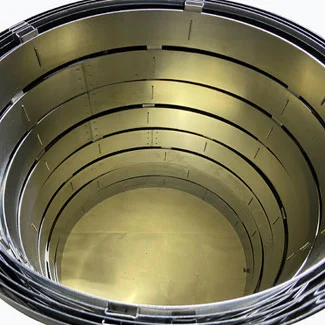
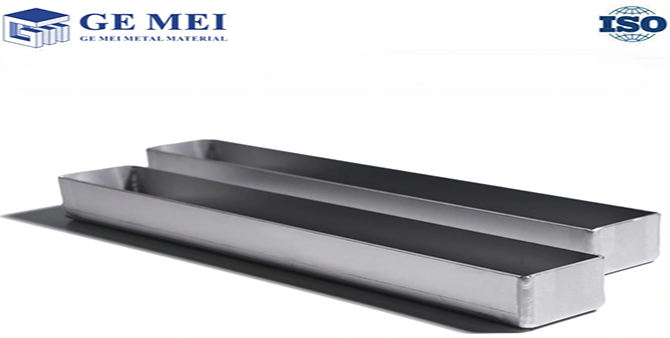
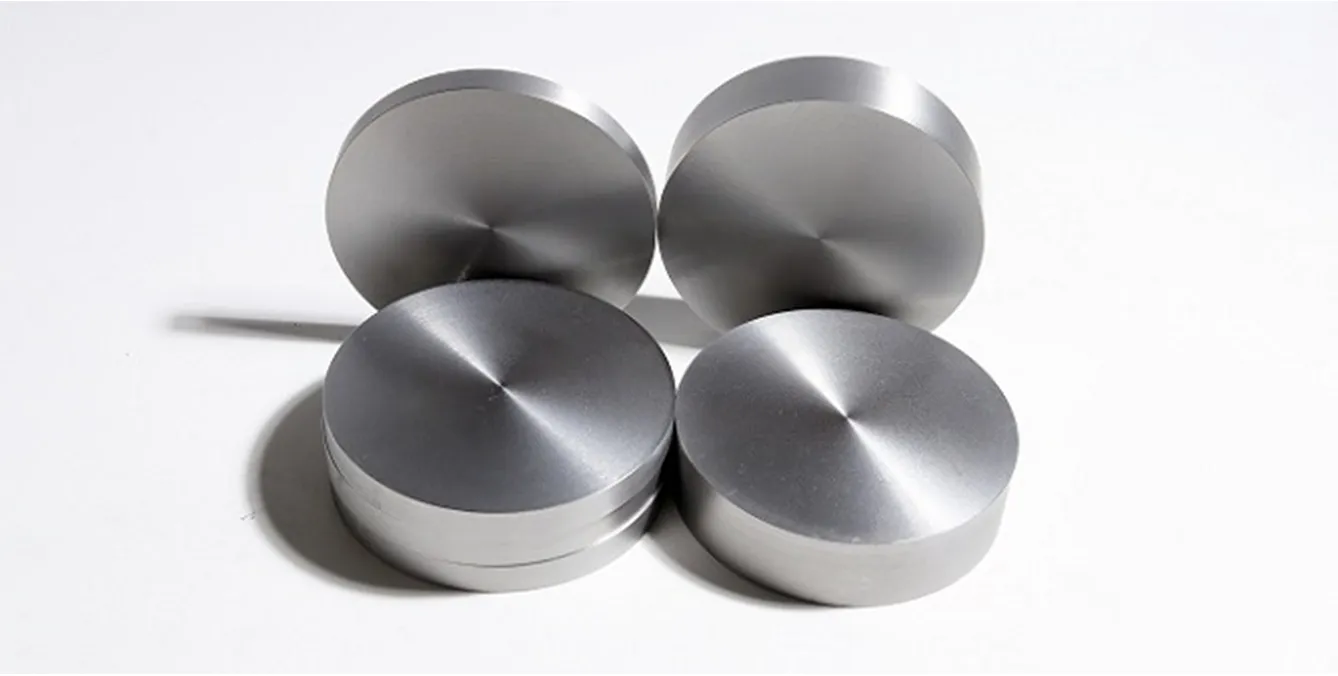
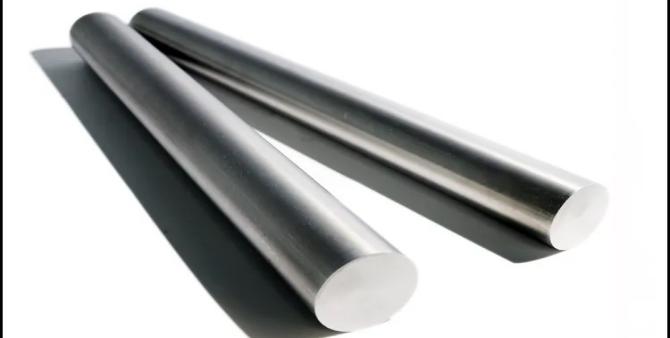
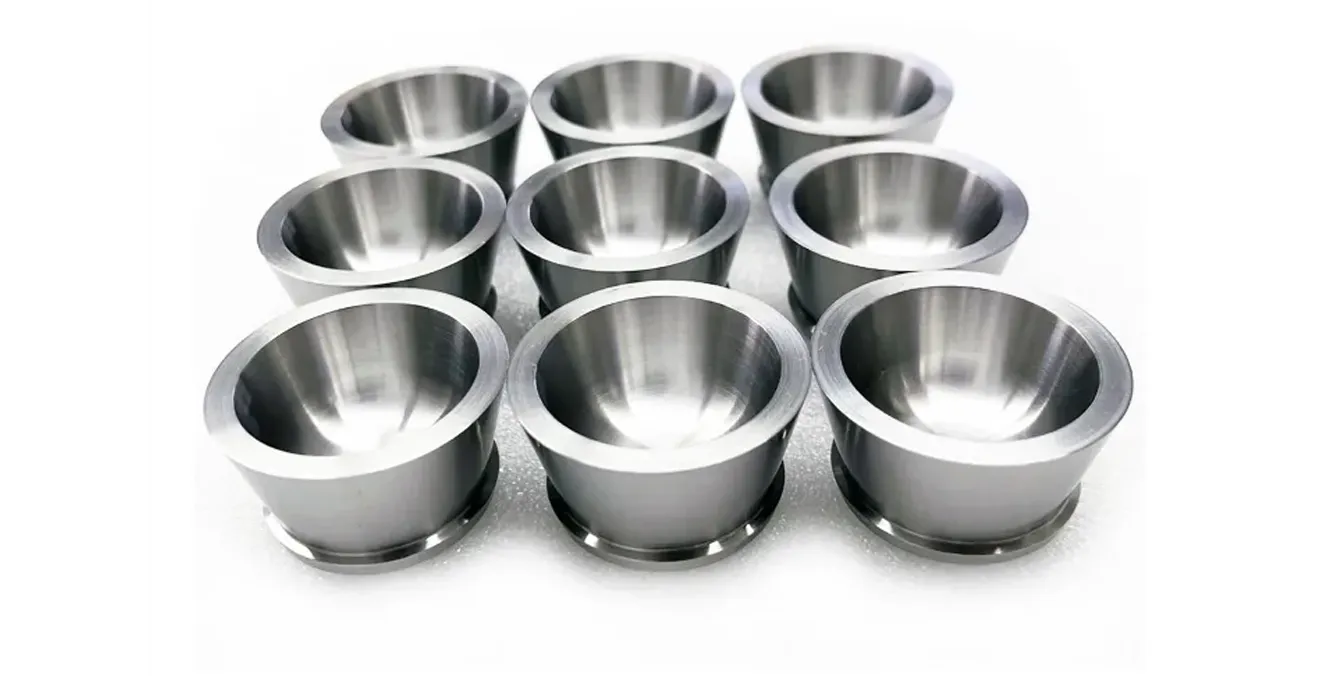
Choosing the appropriate molybdenum crucible manufacturing process requires a comprehensive consideration of application needs, working temperature, dimensional accuracy, material purity, and production quantity.
Spun molybdenum crucibles are suitable for applications requiring seamless structures and excellent surface quality; sintered molybdenum crucibles are suitable for large, complex structures with outstanding high-temperature stability; and machined molybdenum crucibles can provide higher dimensional accuracy and customization capabilities.
For industries such as sapphire crystal growth, vacuum coating, rare earth smelting, semiconductor manufacturing, and high-temperature material processing, choosing the correct manufacturing method is crucial for achieving stable performance and prolonging service life.
As an experienced molybdenum crucible supplier, Xi'an Gemei Metal Materials Co., Ltd. produces high-quality molybdenum crucibles through advanced processing technology, including sintering, machining, and customized production. With professional material technology and comprehensive tungsten and molybdenum processing capabilities, GEMEI can provide targeted solutions according to different industrial needs.
What is a Molybdenum Crucible? Why is it used for high-temperature applications?
A molybdenum crucible is a high-temperature container made of molybdenum metal, specifically used in extreme thermal environments, maintaining good structural stability and material purity.
Molybdenum is widely used in crucible manufacturing mainly due to its excellent physical properties, including:
A high melting point of approximately 2620℃
Good strength retention at high temperatures
A low thermal expansion coefficient
Good thermal conductivity
High corrosion resistance in vacuum and protective atmospheres
Low risk of material contamination
Compared to traditional metal crucibles, molybdenum crucibles can maintain stable performance during repeated heating and cooling cycles.
Typical applications of molybdenum crucibles include:
Sapphire crystal growth: Used as furnace components and support structures
Vacuum evaporation coating: Used in the evaporation process of metals and compounds
Rare earth material processing: Provides a stable high-temperature smelting environment
Semiconductor manufacturing: Supports high-purity heat treatment processes
Laboratory and industrial furnaces: Used in controlled atmosphere environments
The final performance of molybdenum crucibles depends not only on the quality of raw materials but also on the manufacturing process, machining precision, and surface treatment methods.
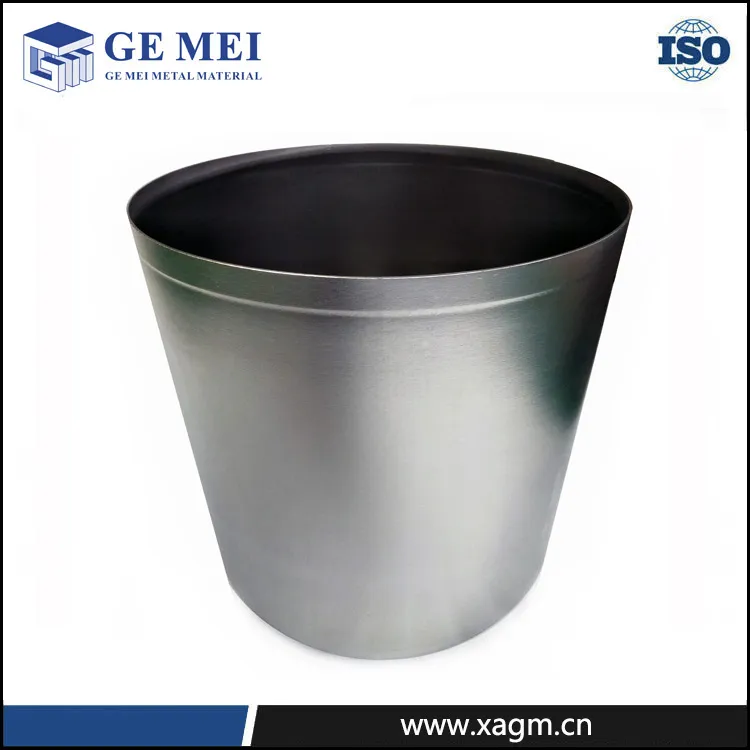
What are the main manufacturing methods for molybdenum crucibles?
Different application scenarios require crucibles with different structures. The three most common manufacturing methods currently include:
Spinning
Sintering
Machining
Spun Molybdenum Crucibles
Spinning is a processing technique that uses mechanical force to gradually form molybdenum sheets into seamless crucible structures.
Its main advantages include:
Seamless structure design
Smooth inner surface
Excellent material density
Reduced risk of contamination
Good dimensional consistency
Spun molybdenum crucibles are typically used in the following scenarios:
High cleanliness requirements
Smooth surface requirements
Medium wall thickness structures
Stable thermal performance needs
Typical application industries include:
Sintered Molybdenum Crucibles
Sintering is a process where molybdenum powder is pressed and then sintered at high temperature to form a crucible structure.
Its main advantages include:
Sintered molybdenum crucibles are typically used for:
This manufacturing method can produce complex structures that are difficult to achieve with traditional forming processes.
Machined Molybdenum Crucibles
Machined molybdenum crucibles are manufactured by precisely machining molybdenum material billets.
Main advantages include:
High dimensional accuracy
Capability to achieve complex geometric structures
Flexible custom design
Precise wall thickness control
Machined crucibles are suitable for:
For customers requiring special sizes or unique structures, customized molybdenum crucibles are an ideal solution.
How to choose between spun, sintered, and machined molybdenum crucibles?
The best manufacturing process depends on multiple technical requirements.
| Application Needs | Recommended Manufacturing Method |
|---|
| Seamless structure and smooth surface | Spun molybdenum crucible |
| Large size and complex structure | Sintered molybdenum crucible |
| High dimensional accuracy requirements | Machined molybdenum crucible |
| Custom design | Machined or sintered crucible |
| High purity applications | Spun or precision machined crucible |
When choosing a molybdenum crucible, engineers should focus on evaluating the following factors:
Working Temperature
Higher working temperatures require materials to have stronger high-temperature strength retention and thermal stability.
Atmospheric Conditions
The usage environment, such as:
Vacuum environment
Hydrogen environment
Inert gas environment
will affect material selection and surface treatment requirements.
Crucible Size and Shape
Large crucibles are generally more suitable for sintering processes, while precision components are more suitable for machining methods.
Purity Requirements
Applications in semiconductor and crystal growth usually have strict material purity requirements to avoid contamination during processing.
Experienced molybdenum crucible suppliers can recommend the most appropriate manufacturing process based on specific application conditions.
Which applications require customized molybdenum crucibles?
Standardized crucible designs may not always meet the needs of advanced industrial equipment. When customers require special sizes, structures, or performance requirements, customized molybdenum crucibles are usually needed.
Common customization includes:
Custom diameter and height
Special wall thickness design
Unique shape and structure
Precision machining
Special surface treatment
Choice of different molybdenum material grades
Industries requiring customized solutions include:
Sapphire Crystal Growth Industry
Molybdenum crucibles can provide stable support in high-temperature crystal growth environments.
Semiconductor Industry
High-purity molybdenum crucibles can reduce contamination risks in advanced manufacturing processes.
Vacuum Coating Industry
Molybdenum crucibles are used as evaporation sources, maintaining stable performance in vacuum and high-temperature environments.
Scientific Research Applications
Laboratories often need to design special crucibles based on experimental materials and process needs.
GEMEI can provide professional customized molybdenum crucible manufacturing services based on customer drawings, technical parameters, and application requirements.
Conclusion: How to choose the correct molybdenum crucible manufacturing process?
Choosing between spun, sintered, or machined molybdenum crucibles requires a thorough understanding of the application environment, performance requirements, and production goals.
Spun crucibles have excellent surface quality and seamless structures; sintered crucibles are suitable for large complex designs with good high-temperature performance; machined crucibles have the greatest advantage in precision manufacturing and customized applications.
Before purchasing molybdenum crucibles, customers should clearly define:
Working with an experienced molybdenum crucible supplier ensures reasonable material selection, stable product quality, and optimized production solutions.
With decades of experience in refractory metal manufacturing, GEMEI provides high-performance molybdenum crucible products for demanding industrial applications worldwide.
For customization needs, customers can communicate specific specifications and manufacturing plans with GEMEI through Contact Us.
 English