Tungsten Wire for Filaments Material Properties
Tungsten, with a high melting point (3410°C), high electrical resistivity, good strength, and low vapor pressure, is the optimal material for manufacturing incandescent lamp filaments. However, tungsten is hard and brittle, making it difficult to process.
Tungsten Wire for Filaments Manufacturing Process
Ammonium paratungstate is generally used as the raw material. The process involves the following steps:
First, it is calcined into tungsten trioxide or reduced into blue tungsten oxide.
After adding small amounts of potassium oxide, silicon oxide, and aluminum oxide, it is reduced into metallic tungsten powder in two steps using hydrogen.
The powder is then pressed into square bars, which are sintered by electric heating in a hydrogen atmosphere.
Finally, through processes such as swaging and drawing, tungsten wires of various thicknesses are produced.
Tungsten Wire for Filaments Specifications and Models
Tungsten wires of different models have distinct properties and applications:
WB001: Exhibits excellent winding performance and no sagging, suitable for ordinary incandescent lamps, etc.
WB150: Features good high-temperature resistance, applicable to tungsten-halogen lamps, etc.
WB584: Has a high recrystallization temperature, suitable for special lamps such as shock-resistant filaments.
Tungsten Wire for Filaments Application Fields
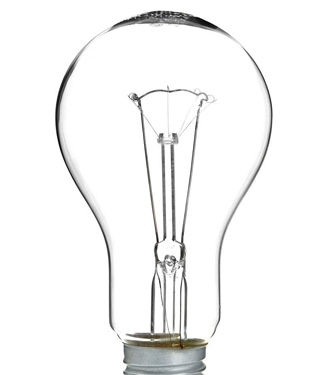
Most tungsten wires are used to manufacture filaments for various incandescent lamps and tungsten-halogen lamps, as well as electrodes for gas discharge lamps. In some high-reliability electric light source products, rhenium (3%–5%) is added to doped tungsten wires to produce tungsten-rhenium wires, which prevent filament breakage.
 English