Modern high-performance manufacturing equipment heavily relies on materials that can remain stable under extreme thermal loads, electrical loads, and mechanical stress. In such systems, tungsten is not generally used as a universal material but as a functional component engineered with precision, embedded in critical process areas.
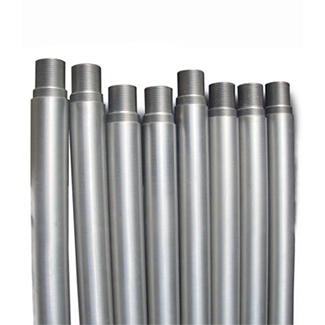
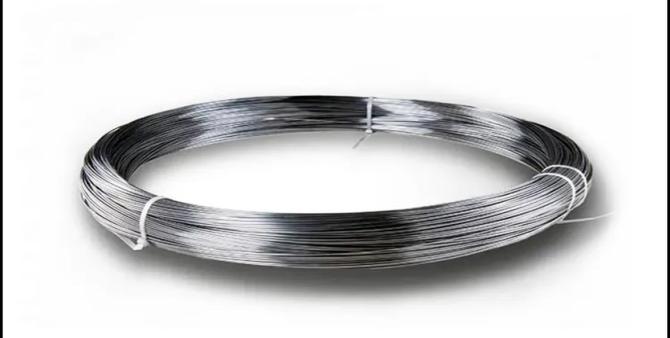
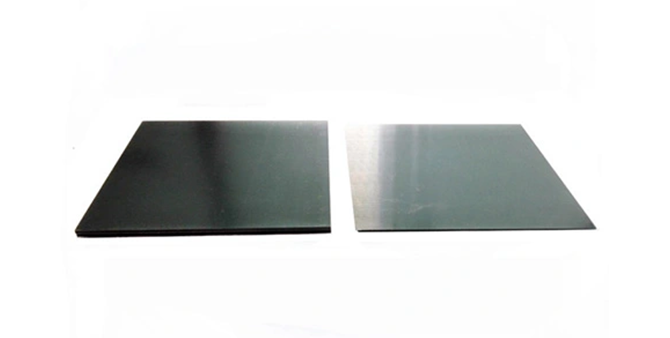
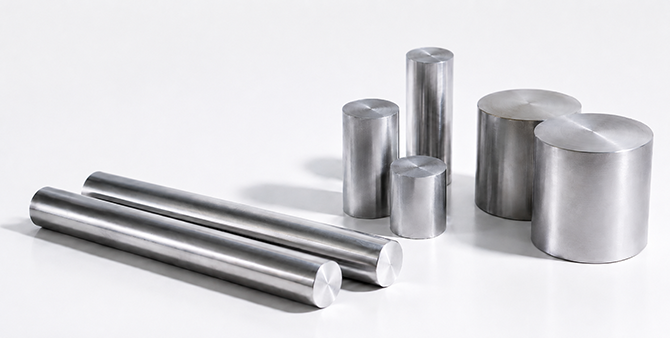
Gremi Metal's tungsten products are solutions developed for such harsh environments, offering application-level products including heating elements, furnace structural components, precision machined parts, and vacuum-compatible components. These products are designed to support the stable operation of fields like semiconductor equipment, photovoltaic production lines, sapphire crystal growth systems, ceramic sintering furnaces, quartz processing equipment, glass electrode systems, medical devices, display panel manufacturing, and advanced lighting technologies.
Tungsten in Industrial Systems: A Functional Engineering Perspective
From a materials science perspective, tungsten is a high-density metallic element. However, in engineering practice, "tungsten" is not defined by its elemental classification but by the function it serves within a system.
Tungsten is typically arranged in the following critical areas:
Areas with extremely high thermal loads and significant temperature concentration
Structural interfaces requiring long-term dimensional stability
Electrical or thermal transfer paths under constrained conditions
In this context, tungsten metal refers to a functional engineering material that can maintain system behavior stably under the coupled conditions of thermal, mechanical, and electrical stress.
Its core characteristics include excellent high-temperature resistance, maintaining structural integrity at high temperatures, and predictable performance in controlled atmospheres.
Tungsten Product Engineering: From Material to Functional Components
Unlike traditional bulk materials, tungsten in industrial systems is usually provided in an application-oriented form. Gremi Metal's tungsten products are designed based on this logic, focusing on the actual functional performance of components within the system rather than just material properties.
Common engineered forms include:
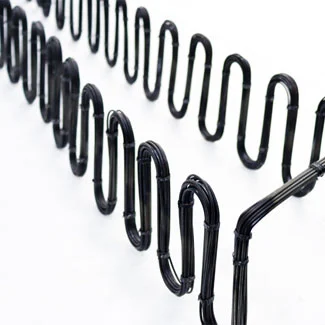
High-temperature heating elements
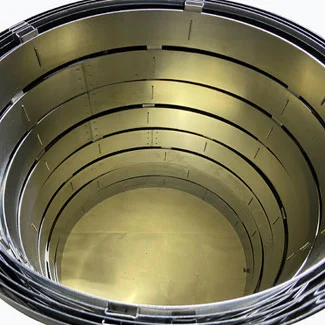
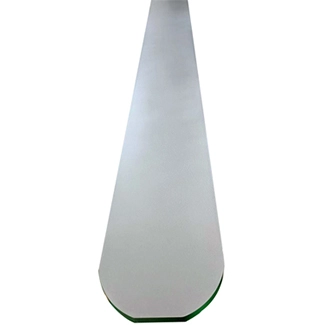
Furnace support structural components
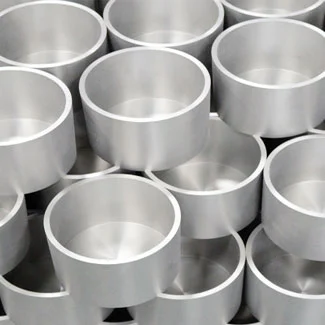
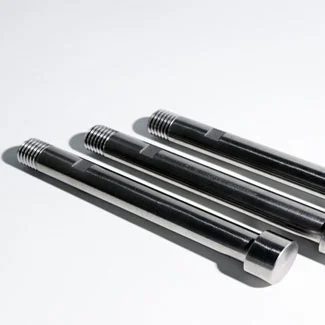
Precision tungsten machined parts
Conductive components for thermal systems
Vacuum-compatible structural components
This product-centric approach allows tungsten to directly meet system integration needs without complex secondary development.
The Functional Role of Tungsten in Equipment Systems
To understand "which systems use tungsten," one needs to analyze its position and function within the equipment rather than just starting from the material itself.
Thermal Control and Heat Distribution Areas
Tungsten is often used in critical areas of thermal flow regulation, such as:
Heat diffusion structures within the furnace
Interface layers between heating elements and process chambers
Structural components for stabilizing temperature gradients
Its ability to maintain structural stability under high-temperature conditions makes it suitable for long-term thermal cycling environments.
Electrical Conduction and Conductive Paths
In systems that require stable electrical performance at high temperatures, tungsten typically handles:
Current transmission components in high-temperature areas
Conductive support structures in vacuum equipment
Internal heating structural components
This characteristic allows it to maintain stable electrical performance during long-term operation.
Structural Load-Bearing in Extreme Environments
In areas subjected to both high temperatures and mechanical loads, tungsten is used for:
Support frames inside the furnace
Substrate bearing structures in crystal growth systems
Positioning and clamping components in precision equipment
These structures need to resist creep and deformation during long-term operation.
Engineering Constraints of Tungsten Processing and Assembly
Tungsten is not an easy-to-process material in the traditional sense, and its manufacturing method directly affects system design solutions.
High-Temperature Manufacturing Process Requirements
Due to tungsten's extremely high melting point, its preparation usually includes:
Powder metallurgy forming
High-temperature sintering processes
Precision post-processing treatment
These processes determine the achievable dimensional accuracy and structural complexity.
Structural Behavior and Design Constraints
Tungsten has limited ductility at room temperature, so attention should be paid to design:
Avoid sharp geometric transitions
Reasonably control stress distribution
Consider structural changes caused by thermal expansion
Welding and Joining Process Requirements
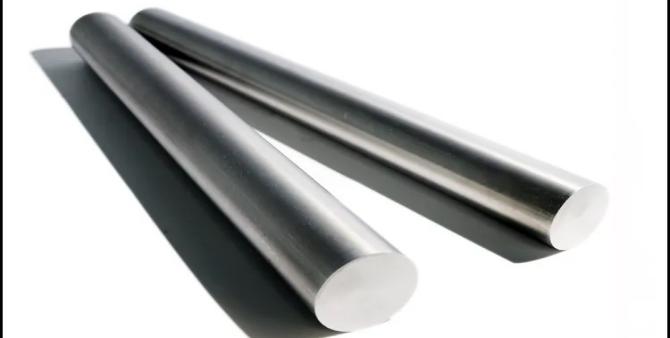
Welding of tungsten, especially tungsten rod welding, requires strict environmental control:
Inert gas or vacuum protective environment
Precise control of heat input
Prevent contamination from oxygen, nitrogen, etc.
Due to these constraints, system design tends to favor modular structures and high-precision mechanical connections over complex welded structures.
Material Selection Logic: Why Choose Tungsten Over Other Materials
The choice of tungsten is usually the result of engineering trade-offs, not a default option. Understanding "the use of tungsten" requires comparing it with other materials.
Comparison with Molybdenum Materials
Comparison with Graphite Materials
Comparison with Ceramic Materials
Difference Between Tungsten Carbide and Pure Tungsten
The difference between tungsten and tungsten carbide mainly lies in functional positioning:
This distinction determines the essential difference in application directions between tungsten carbide and metallic tungsten.
Industrial Procurement and System Integration Perspective
In an industrial environment, material selection is not just about "can it be bought." Questions like "where to buy tungsten" often have less importance than system compatibility and operational reliability.
Key evaluation indicators include:
Dimensional matching accuracy with the equipment
Batch consistency
Stability under multiple thermal cycles
Compatibility with vacuum or reactive environments
These factors are often more important to the long-term operational stability of the system than the material cost itself.
Gremi Metal Tungsten Products: Embedding Reliability into System Design
Gremi Metal tungsten products are committed to bridging the critical link between materials science and equipment engineering. The core is not simply providing raw materials but offering functional components that can operate stably in complex industrial systems.
System-Level Material Consistency Control
Gremi Metal focuses on:
Material purity control for sensitive applications
Stable microstructural organization
Performance consistency between batches
Precision Manufacturing Capabilities
The product system includes:
Customized tungsten machined parts
High-precision furnace structural components
Conductive and load-bearing integrated components
Engineered solutions for specific processes
These capabilities support the direct integration of tungsten components into high-end equipment.
Application-Oriented Engineering Support
Gremi Metal tungsten products are widely used in:
Semiconductor processing systems
High-temperature furnace equipment
Photovoltaic and crystal growth systems
Ceramic, quartz, and glass manufacturing
Display panel production systems
Medical and advanced lighting technologies
This application-oriented matching approach allows tungsten components to adapt to real working conditions rather than just staying at the theoretical parameter level.
Conclusion
Tungsten occupies a key position in modern industrial systems not only because of its extremely high heat resistance but also because of its ability to maintain long-term stable operation in thermally, mechanically, and electrically coupled environments.
Its applications are highly dependent on specific working conditions, usually concentrated in key areas that have the greatest impact on system stability. From thermal control structures to conductive components and load-bearing parts, tungsten achieves sustained reliable performance in extreme environments.
Through Gremi Metal tungsten products, tungsten is transformed from raw materials into engineerable system components that can be directly integrated, thereby providing stable and reliable foundational support for high-end manufacturing industries.
 English