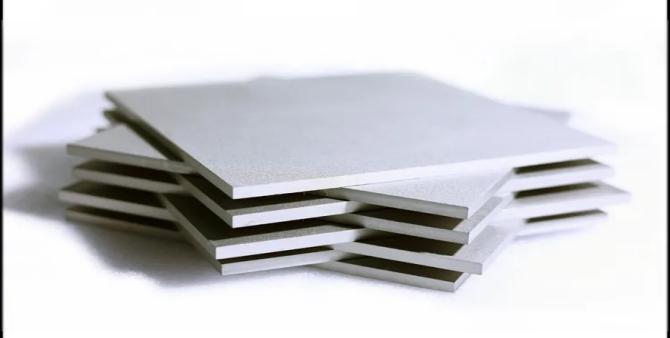
Shieldings for High-temperature Furnaces Material Properties
Tungsten is a refractory metal, characterized by a high melting point (3410°C), high density (19.35 g/cm³), high hardness, high strength, low thermal expansion coefficient, excellent heat resistance, and good corrosion resistance. Molybdenum has a density of 10.23 g/cm³ (approximately half that of metallic tungsten) and exhibits properties such as a high melting point (2622°C), high hardness, extremely low thermal expansion coefficient, and low electrical resistivity. These properties enable tungsten-molybdenum materials to maintain stability in high-temperature environments and effectively block heat.
Shieldings for High-temperature Furnaces Manufacturing Process
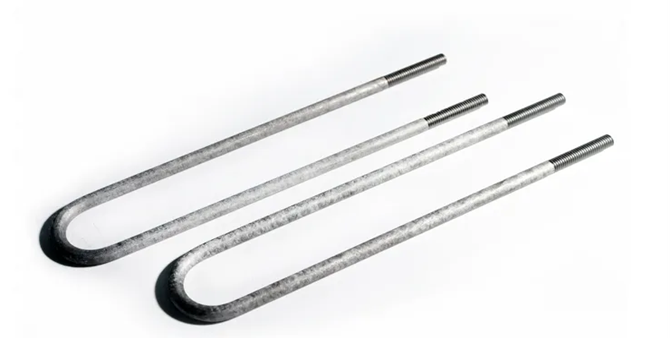
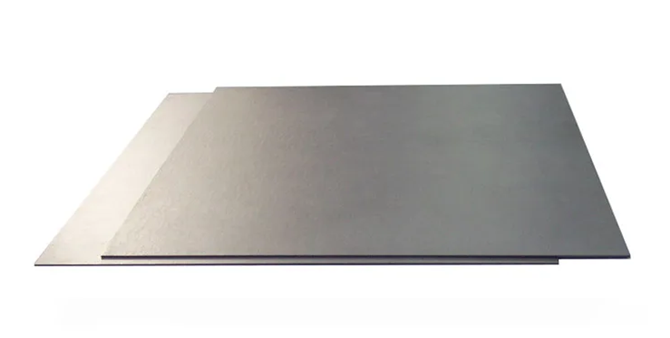
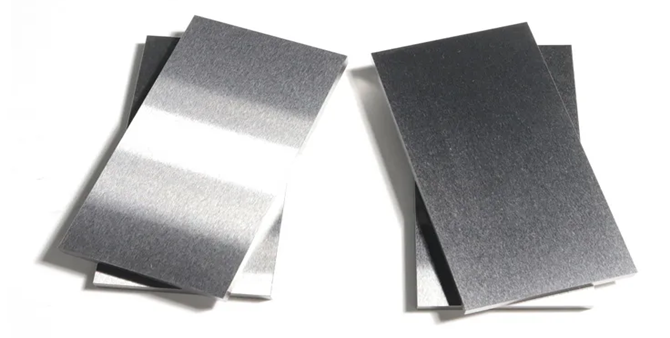
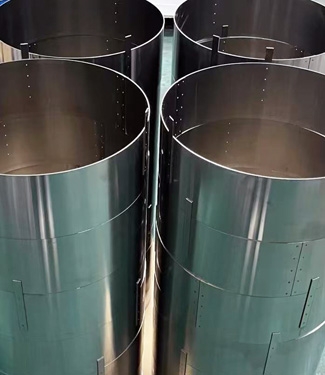
Molybdenum heat shields or tungsten heat shields are generally manufactured using riveting, which can be either butt joint or lap joint. Layers of shields can be spaced using corrugated plates, U-shaped grids, or spacing rings, and fixed with molybdenum wires, tungsten wires, and screws to form a multi-layer structure, thereby enhancing the heat insulation effect.
Shieldings for High-temperature Furnaces Application Scenarios
Tungsten-molybdenum heat shields are widely used in high-temperature equipment such as vacuum high-temperature furnaces, sapphire crystal growth furnaces, and aluminum nitride sintering furnaces. They can be used to manufacture components including side shields, upper and lower cover shields, flow guide cylinders, and material racks. These components effectively prevent heat loss, improve the thermal efficiency of the furnace body, and extend its service life.
 English