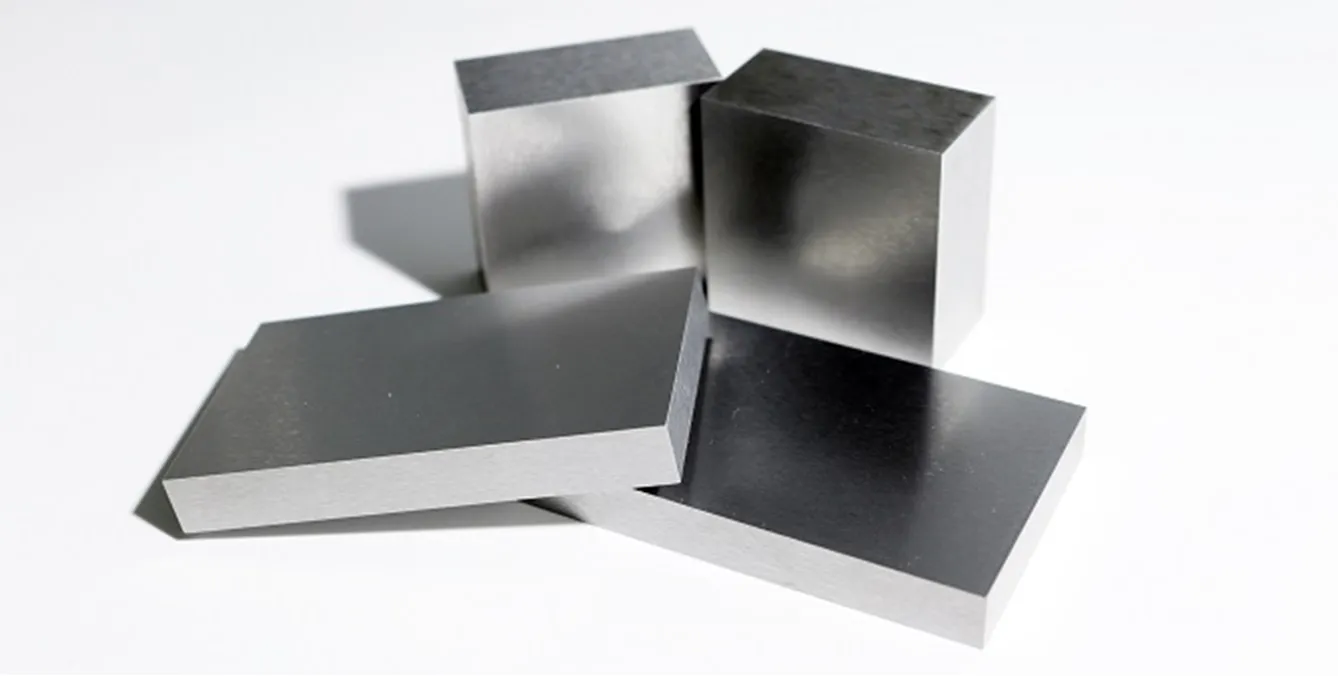
A thin tungsten sheet requires more careful specification than simply ordering tungsten material at a reduced thickness. As sheet thickness decreases, dimensional tolerance, flatness, edge condition, surface quality, handling, and subsequent fabrication can become increasingly important to the finished component. For procurement teams, these factors should be defined before requesting a quotation.
Gemei Metal supplies tungsten materials for industrial applications and can evaluate custom sheet requirements according to dimensions, material specifications, quantity, and processing needs. Providing detailed requirements helps buyers obtain a tungsten sheet that is better matched to downstream manufacturing rather than relying only on nominal thickness.
What Makes Thin Tungsten Sheet Different from Standard Plate?
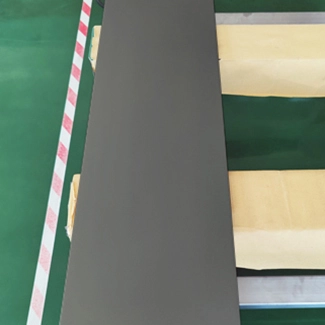
The distinction between thin tungsten sheet and thicker plate is not only dimensional. Thin material can be more sensitive to handling, flatness requirements, edge condition, and processing methods. This means buyers should consider the complete manufacturing route from supplied material to finished component.
A tungsten sheet metal order may require closer attention to thickness consistency and surface condition, particularly when the material will be cut into smaller components or incorporated into an assembly.
| Selection Factor | Thin Tungsten Sheet | Standard Tungsten Plate |
|---|
| Thickness control | Often a critical requirement | Depends on final application |
| Flatness sensitivity | More important as thickness decreases | Influenced by size and processing |
| Handling | Requires careful support | Generally more rigid |
| Edge condition | Important for further fabrication | Depends on cutting requirements |
| Typical purchasing focus | Thickness, flatness, edges | Dimensions, tolerance, machining stock |
The final specification should always reflect the actual application rather than relying solely on a sheet-versus-plate classification.
Thickness Tolerance and Flatness Control for Thin Tungsten Sheet
For thin tungsten sheet, nominal thickness alone does not provide enough information for a production quotation. Buyers should specify an acceptable thickness tolerance, especially when the sheet will be used in precision assemblies or processed into components with limited finishing allowance.
Flatness should be considered at the same time. Sheet dimensions, thickness, manufacturing condition, and subsequent processing can all influence the flatness requirement that is practical for a particular order.
Requesting unnecessarily tight tolerances may increase processing and inspection requirements. A better approach is to identify which dimensions are functionally critical and communicate them clearly to the supplier. For a pure tungsten sheet used in precision applications, drawings can help distinguish critical requirements from general dimensions.
Edge Quality and Surface Condition Requirements
Edge quality can affect handling as well as subsequent fabrication. Buyers should identify whether the tungsten sheet will be supplied as a larger sheet for later processing or cut closer to finished dimensions.
Important points to define include:
Required length and width
Edge or cut condition
Surface condition or finish requirements
Areas with critical cosmetic or functional requirements
Whether additional machining or finishing is planned
Surface specifications should also match the intended manufacturing route. A sheet that will undergo additional finishing may not need the same supplied surface condition as material intended for direct assembly.
Gemei Metal can evaluate these requirements during quotation when the buyer provides drawings and identifies which characteristics are critical to the finished product.
Handling and Fabricating Thin Tungsten Sheet
Handling is an important consideration because thin material behaves differently from a thick, rigid plate. Thin tungsten sheet should be supported appropriately during transportation, storage, inspection, and fabrication to reduce the risk of unwanted deformation or damage.
Fabrication planning should begin before material is ordered. If the sheet will undergo cutting, machining, grinding, or another secondary process, the buyer should determine whether additional material or special dimensional considerations are necessary.
The fabrication method should also be selected according to the finished component rather than assuming conventional sheet-metal practices automatically apply to tungsten. Tooling, part geometry, material thickness, and final tolerance can influence processing decisions. Buyers with demanding components should discuss their intended fabrication route with tungsten sheet suppliers before confirming the material specification.
What to Specify When Requesting a Tungsten Sheet Quote
A useful RFQ should allow the supplier to understand both the material requirement and what happens after delivery. Begin with the required material grade or purity, nominal thickness, length, width, quantity, and dimensional tolerances.
Buyers should then specify flatness requirements, edge condition, surface requirements, inspection needs, and whether additional processing is expected. If the sheet will become a precision component, including a technical drawing can reduce ambiguity.
For buyers comparing tungsten sheet price, quotations should be based on equivalent specifications. Differences in dimensions, tolerance, surface condition, cutting, inspection, quantity, and packaging can affect the final cost. Comparing only a unit price without reviewing the supplied condition may therefore give an incomplete picture.
How to Compare Tungsten Sheet Suppliers for Custom Requirements
When evaluating tungsten sheet suppliers, procurement teams should look beyond whether the requested nominal thickness is available. The supplier should be able to review the complete specification and clarify requirements that could affect manufacturing or inspection.
For custom thin tungsten sheet, buyers should compare material specification, achievable dimensions, tolerance requirements, supplied condition, documentation, lead-time expectations, and commercial terms on the same basis.
The same principle applies when comparing tungsten sheet price between quotations. A lower price may reflect a different tolerance, surface condition, inspection scope, or processing level. Gemei Metal can review drawings and purchasing requirements so that the quotation reflects the requested material and processing conditions more accurately.
Conclusion
Sourcing thin tungsten sheet requires coordinated consideration of thickness tolerance, flatness, edge quality, surface condition, handling, and downstream fabrication. These factors become especially important when material will be processed into precision components or used with limited finishing allowance. Buyers should define functional requirements clearly and avoid specifying tighter tolerances than the application requires. When comparing tungsten sheet suppliers or evaluating tungsten sheet price, quotations should use equivalent technical requirements. Providing Gemei Metal with drawings, quantities, material specifications, inspection needs, and fabrication information can support a more accurate evaluation of custom sheet requirements.
FAQs About Thin Tungsten Sheet
Is thin tungsten sheet the same as tungsten foil?
Not necessarily. Product terminology can depend on thickness and supplier classification, so buyers should specify actual dimensions rather than relying only on the product name.
Can pure tungsten sheet be supplied in custom sizes?
Custom sizes may be possible depending on thickness, dimensions, quantity, tolerances, and manufacturing requirements. The requested size should be confirmed during quotation.
Why is flatness important for thin tungsten material?
Flatness can affect assembly, inspection, cutting, and subsequent precision processing, particularly when a sheet is used as a component blank.
Should protective packaging be discussed for thin sheets?
Yes. Packaging and handling requirements should be considered according to sheet dimensions, thickness, quantity, and transportation conditions.
What factors can change tungsten sheet price?
Material specification, thickness, dimensions, tolerances, surface requirements, cutting, inspection, quantity, and packaging can all influence quotation costs.
Should I provide a drawing when contacting tungsten sheet suppliers?
For custom or precision requirements, a drawing is highly useful because it communicates dimensions, tolerances, critical areas, and processing requirements more clearly.
 English