Wires and Pins for Current Conductors Properties
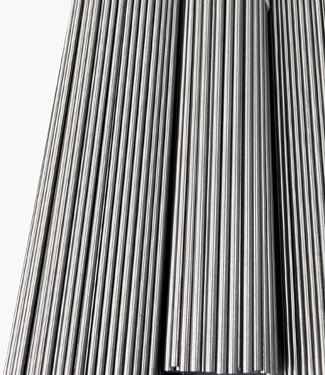
Tungsten-Molybdenum Wires: Tungsten wires and molybdenum wires feature high melting points, high hardness, excellent electrical and thermal conductivity, and relatively low vapor pressure.
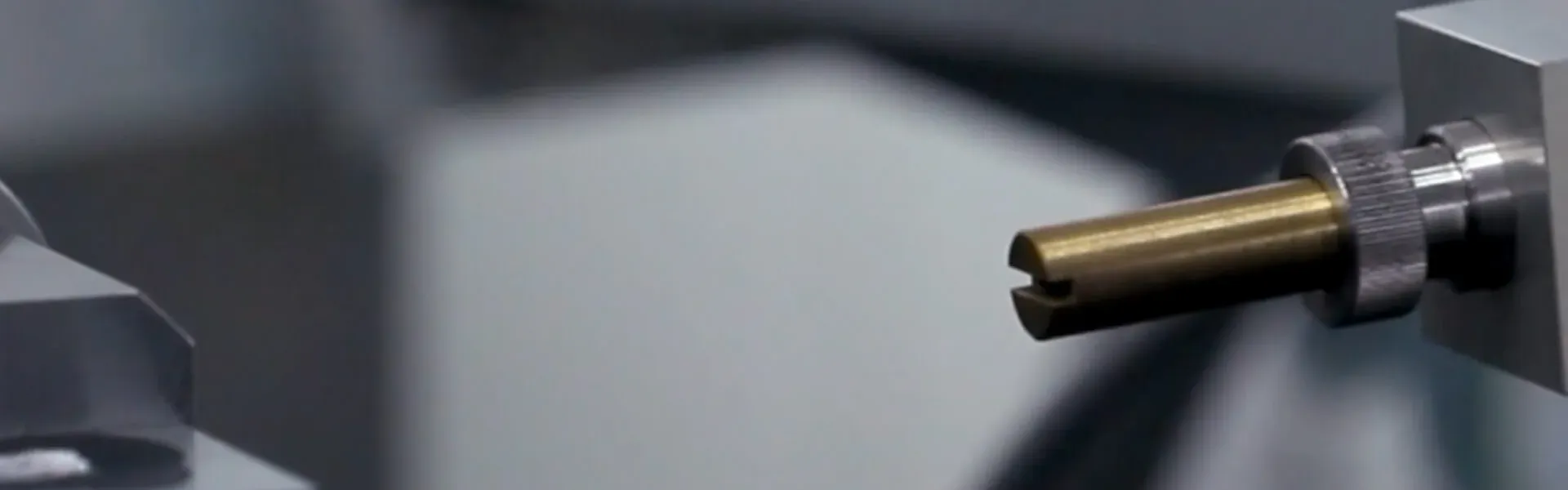
Tungsten-Molybdenum Pins: Tungsten-molybdenum pins typically have high-precision dimensions and good surface quality to ensure reliable connection with other components and stable electrical performance.
Wires and Pins for Current Conductors Application Fields
Electric Light Source and Lighting Industry
This is the most typical application scenario for tungsten-molybdenum wires, where their high melting point property enables them to withstand the high-temperature operating environment of filaments or electrodes.
Tungsten Wires: Used as filaments and discharge electrode leads for incandescent lamps, tungsten-halogen lamps, high-pressure mercury lamps, and xenon lamps. They can emit light stably at temperatures above 2000°C without easy evaporation or fusing.
Molybdenum Wires / Molybdenum-Lanthanum Wires: Served as leads for tungsten-halogen lamps and automotive HID (High-Intensity Discharge) lamps. They combine high-temperature stability with a certain degree of toughness, preventing breakage when the lamp body is turned on and off frequently.
High-Temperature Industry and Heating Equipment
Suitable for scenarios requiring long-term electrical conduction and heat generation in high-temperature environments, relying on their high-temperature resistance and creep resistance.
Molybdenum Wires: Used as leads for heating elements and thermocouple protection tubes in high-temperature resistance furnaces (e.g., sintering furnaces, annealing furnaces). They can work continuously at 1200–1600°C in an inert gas atmosphere.
Tungsten Wires: Applied as electrode leads in electron beam welding machines and plasma generators, withstanding instantaneous high-temperature shocks without easy deformation.
Electronics and Semiconductor Manufacturing
High-precision, low-impurity conductive components are required to ensure stable transmission of signals or currents, while withstanding high-temperature or vacuum environments during the manufacturing process.
Tungsten-Molybdenum Pins: In semiconductor wafer manufacturing equipment (e.g., ion implanters, thin-film deposition equipment), they are used as high-precision electrical connection pins. They prevent impurity contamination of wafers and withstand the high-vacuum, high-temperature environment inside the equipment.
Molybdenum Wires: Serve as internal supports and conductive wires in electron tubes and vacuum diodes. They have no volatilization in high-vacuum environments, ensuring long-term reliability of electronic devices.
Power Battery and Welding Equipment
Components with both high electrical conductivity and high hardness are needed to meet the requirements of high-frequency and high-current operations, avoiding wear or overheating.
Copper-Clad Tungsten-Molybdenum Welding Pins: Used as welding pins for spot welding machines in power battery PACK plants (lithium battery assembly). The tungsten-molybdenum core has high hardness and high-temperature resistance, capable of withstanding wear and heat during high-frequency welding; the copper outer layer ensures excellent electrical conductivity, preventing cold soldering or welding pin deformation during welding.
Aerospace and Special Equipment
Designed for extreme working conditions (e.g., high temperature, vibration, corrosion) to ensure the reliability of electrical connections for key components.
Tungsten-Molybdenum Wires: Used as high-temperature-resistant wires in aircraft engine compartments and precision conductive wires in spacecraft attitude control systems. They withstand high-temperature radiation from engines or vacuum environments in space, and are resistant to vibration and corrosion.
Tungsten-Molybdenum Pins: In connectors of aerospace sensors and special radars, they act as core conductive pins, ensuring no signal attenuation and no loose connections in extreme environments.
 English