Utilizing High-Performance Molybdenum Rods to Create Vacuum Furnace Heating Elements and Thermal Field Structures
In the extremely demanding field of industrial thermal processing, selecting materials that can maintain a perfect shape under continuous thermal stress without warping is the primary task of engineering design. High-purity molybdenum rods have repeatedly proven to be the ideal choice for constructing heavy-duty heating rods, high-load structural thermal field supports, and rigid lead wires in industrial vacuum furnaces. Due to molybdenum's extraordinary melting point milestone of 2623°C, components precisely machined from standard molybdenum rods can operate perfectly in deep vacuum or inert gas protective environments exceeding 1300°C.
In addition to its extremely high thermal stability threshold, this metal also exhibits a very low coefficient of thermal expansion (CTE) and excellent thermal conductivity. This ensures that linear furnace heating elements can maintain strict geometric linearity during intense heating cycles, thereby completely eliminating major risks of structural sagging, local short circuits, or early tensile breakage.
Pure Molybdenum vs. TZM Alloy Rods: Which Configuration Best Suits Your Stress Limits?
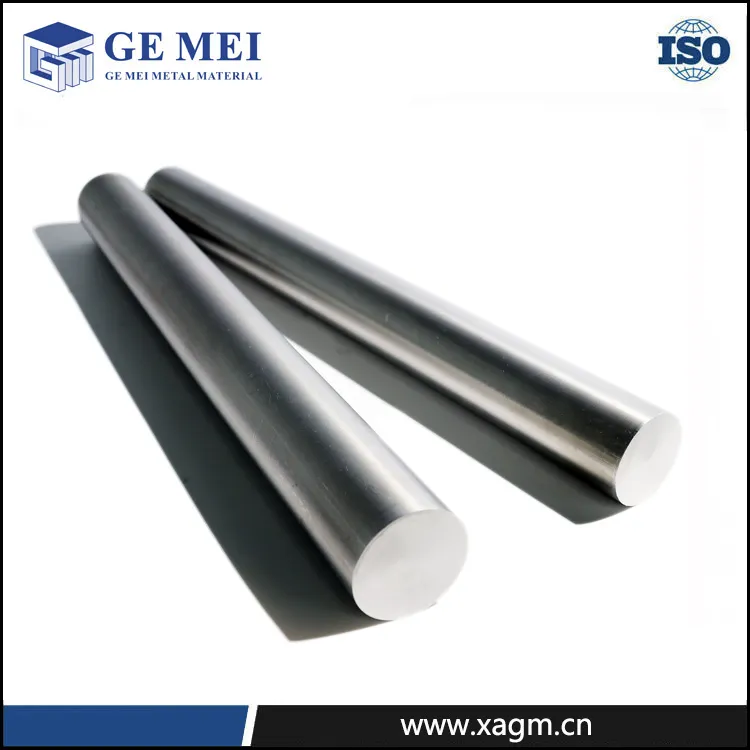
When designing commercial thermal fields, technical procurement personnel must weigh between unalloyed pure molybdenum rods and advanced titanium-zirconium-molybdenum (TZM) alloy rods. While a pure molybdenum matrix can easily handle traditional vacuum high-temperature operations, micro-alloying reinforcement is often required in extreme application conditions exceeding 1200°C. The incorporation of trace amounts of titanium and zirconium in TZM alloys significantly increases the material's recrystallization temperature and resistance to grain growth.
This special microstructure endows the material with excellent high-temperature tensile strength and outstanding creep resistance under heavy mechanical loads. However, for the vast majority of ordinary sintering, glass melting, and industrial tooling customization applications, a high-purity molybdenum rod processed with refined techniques and purity ≥99.95% is sufficient to provide a perfect balance between reliable structural durability and excellent operational cost-effectiveness.
Behind the Process Appearance: Why Does the Performance of Polished Rods Far Exceed That of Black-Skin Molybdenum Rod Surfaces?
The surface condition of refractory components largely determines their overall service life and actual work performance, but this is often overlooked by procurement. Industrial-grade rods are typically available in three core surface forms: forged black skin, chemically alkali-washed, and centerless polished.
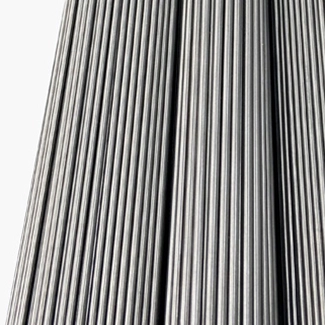
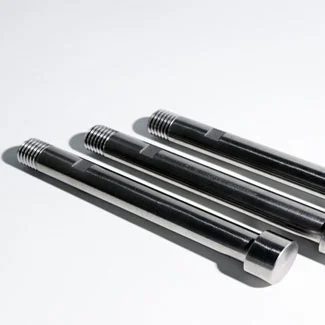
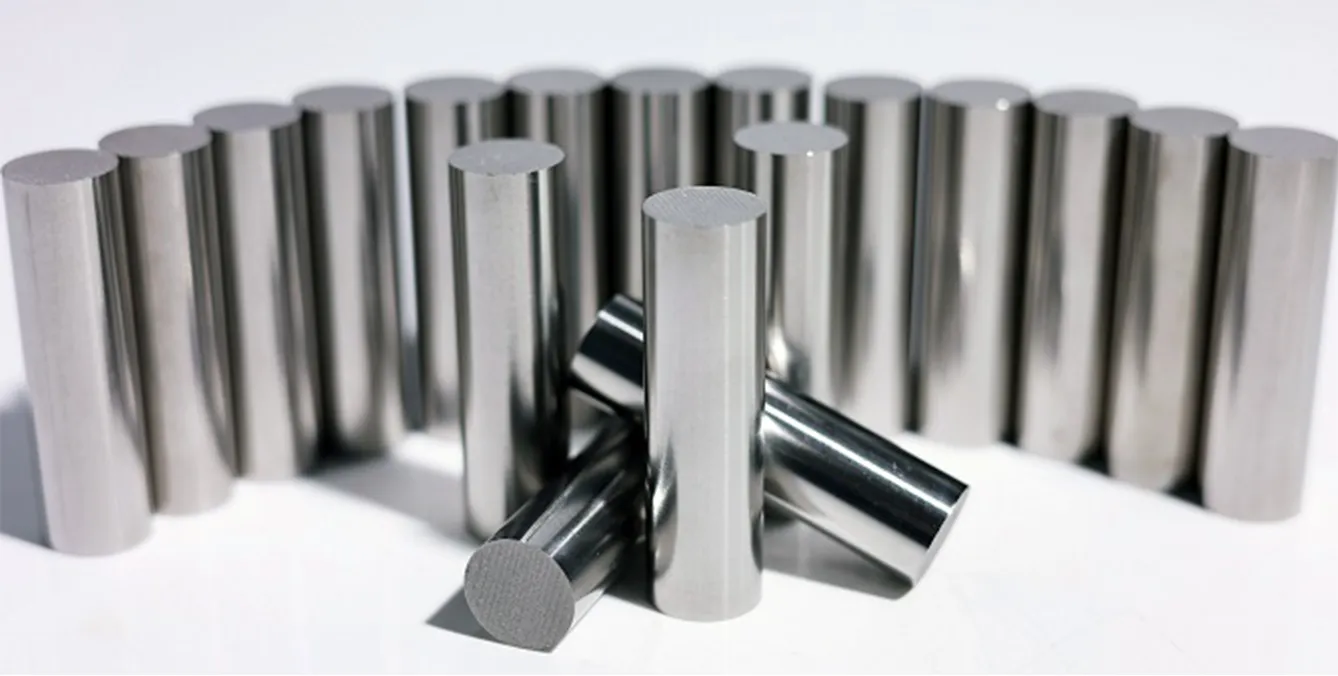
The black skin surface retains protective lubricants and trace oxide layers left over from the initial forging/spinning process, making it highly cost-effective but unsuitable for ultra-high cleanliness vacuum systems. The chemically alkali-washed surface removes these residues, revealing a clean matte metal surface. However, for precise vacuum furnace thermal fields and semiconductor tooling, using centerless polished molybdenum rods is crucial. The precise centerless grinding process completely removes all microscopic cracks and stress concentration areas on the surface while controlling dimensional tolerances within an astonishing ±0.02mm, ensuring uniform resistivity in advanced electronic assemblies and completely avoiding high-voltage discharge or arcing phenomena.
Securing Competitive Source Factory Direct Bulk Molybdenum Rod Prices
In the commercial environment of global refractory metal procurement, clearly understanding the core variables determining your final inquiry quotation is crucial. According to feedback from procurement managers, the final molybdenum rod price is deeply influenced by three core factors: the market price index of rare metal raw materials, the overall processing complexity of the product (such as the time difference between extremely fine drawing and heavy forging), and the total tonnage of the purchase.
Choosing intermediaries that have not undergone qualification reviews may result in low initial quotes, but this often comes with high risks—such as internal porosity or excessive gap impurities in the material, which can lead to premature failure during electric furnace operation. Collaborating directly with the source factory ensures a completely transparent pricing mechanism. By relying on an integrated complete metallurgical production loop from molybdenum powder to finished rods, the source factory can offer extremely stable and highly competitive wholesale molybdenum rod prices, accompanied by official material test reports (MTC) for each batch of goods.
Why Delivery Time Is Crucial: Choosing an Efficient Molybdenum Rod Supplier with Ready Stock
In the fast-paced B2B industrial supply chain, sudden thermal field failures and electric furnace downtime mean daily production value losses of thousands of dollars. Therefore, screening your chosen molybdenum rod supplier based on delivery agility and supply chain risk resistance is as critical as evaluating their technical machining tolerances.
As an ISO-certified professional molybdenum rod supplier, GEMEI is committed to helping global procurement channels completely immunize against supply chain risks caused by unexpected delivery delays. In our manufacturing center, we maintain a long-term inventory of ample molybdenum rod stock covering various standard metric and imperial diameters, protected under constant temperature and humidity. This ready-to-ship inventory allows us to directly skip the traditional powder metallurgy production scheduling cycle, ensuring lightning-fast international logistics dispatch in the event of urgent thermal field overhauls or sudden spare part replacements.
Feel free to browse our comprehensivemolybdenum productselectronic catalog to explore our rich line of refractory metal products, or directly contact our engineering team to submit your custom CAD blueprint designs.
 English