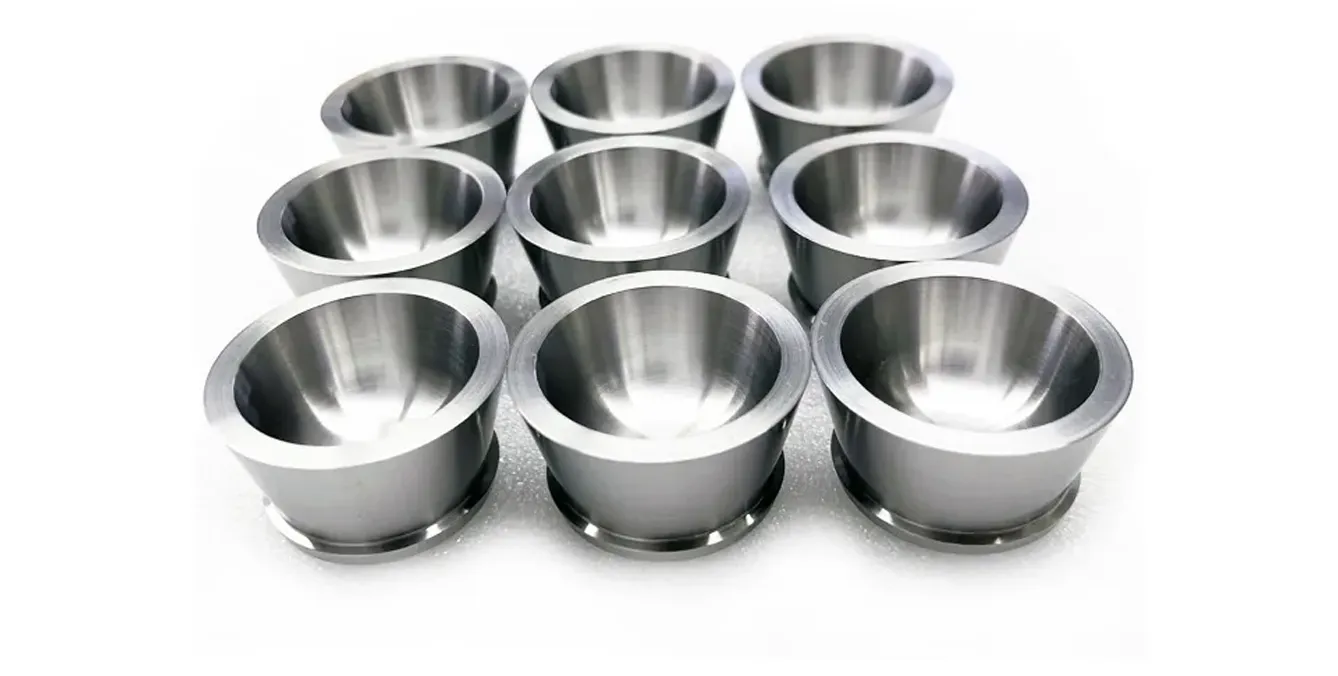
Thermodynamics in Crystal Growth: The Core Key Role of High-Purity Molybdenum Crucibles
In the field of high-temperature material synthesis, such as sapphire single crystal growth (via the Kyropoulos method or Czochralski method) and rare earth metal reduction smelting, thermal stability and zero pollution are uncompromising hard requirements. Industrial molybdenum crucibles have become the irreplaceable standard carrier containers in these harsh metallurgical environments. Due to molybdenum's ultra-high melting point of 2623°C, it can continuously withstand intense thermal loads without losing any structural geometry.
More importantly, leaching of any extremely trace impurities from the melting container can lead to catastrophic lattice defects in the crystal structure or completely destroy the purity indicators of high-end alloys. By using super high-purity molybdenum powder with a purity of ≥99.95% to manufacture each molybdenum crucible, the risk of chemical cross-contamination can be completely eliminated. The excellent thermal conductivity of this refractory container ensures uniform heat distribution throughout the molten zone, minimizing the risk of thermal shock and localized microcracking during deep solidification cycles.
Forged and Sintered Molybdenum Crucibles: How to Choose the Right Manufacturing Process?
Under continuous high-temperature thermal fields, not all configured molybdenum crucibles perform the same. Depending on the specific geometric dimensions and operational stress limits of your thermal field, manufacturers typically employ two core manufacturing processes: powder sintering or mechanical forging.
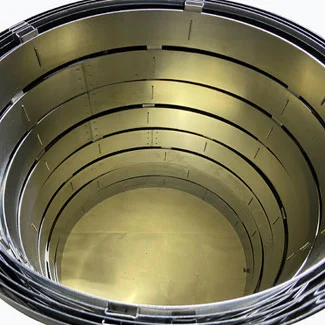
Sintered Containers: This process is favored in large-scale industrial applications, capable of producing containers with ultra-large diameters (typically exceeding 500 mm), with physical and chemical density stabilized between 9.8g/cm³ - 10.0g/cm³. They provide an excellent balance between carrying capacity and cost-effectiveness for conventional industrial reduction smelting.
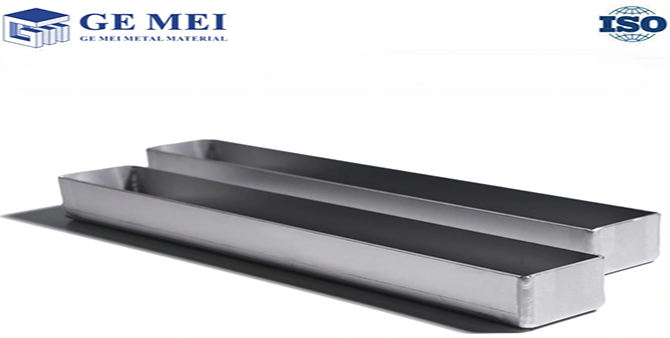
Forged/Turned Containers: For extreme working conditions pursuing absolute material density, mechanically processed or forged molybdenum crucibles perform better. These containers can achieve a near-perfect theoretical density of ≥10.15g/cm³, exhibiting an extremely tight micro-grain matrix. This high-density structure grants the container excellent erosion resistance when facing highly corrosive melts and significantly reduces volatilization loss under ultra-high vacuum conditions.
In-depth Evaluation of Commercial Purchase Prices: The Trade-off Between Raw Material Costs and Lifetime Value
When engineering procurement departments evaluate project budgets, focusing solely on the surface-level initial wholesale molybdenum crucible price often leads to erroneous cost calculations. Since molybdenum is a high-value rare refractory metal, its base pricing is deeply linked to the international raw material market price index and the complexity of the component's processing.
Low-standard inferior containers may offer extremely tempting low initial molybdenum crucible prices, but they often have defects such as high internal micro-porosity, uneven wall thickness, or residual stress, which can easily lead to early warping and edge cracking during operation. Conversely, investing in a high-quality container that has undergone strict quality control ensures a longer cycle life and more smelting furnace sessions. When calculating the Total Cost of Ownership (TCO), a quality container significantly reduces your long-term operational costs by extending the replacement cycle and preventing costly electric furnace downtime losses. To lock in manufacturing costs, buyers should seek source factories that can offer complete transparency on weight, mold fees, and bulk discounts.
Maximizing Container Life: Proper Storage and Operation Norms for Molybdenum Crucibles
To maximize output efficiency from your customized thermal field layout, it is essential to strictly follow advanced operating procedures. Although quality molybdenum crucibles can easily handle extreme high temperatures, they are extremely sensitive to the surrounding atmospheric conditions when exceeding a specific thermal threshold. At temperatures above 400°C in air, molybdenum reacts violently with oxygen, forming volatile molybdenum trioxide (MoO₃), which rapidly erodes and thins the container walls. Therefore, these containers must operate under strict deep vacuum conditions or under tightly monitored inert gas protection (such as high-purity argon or nitrogen).
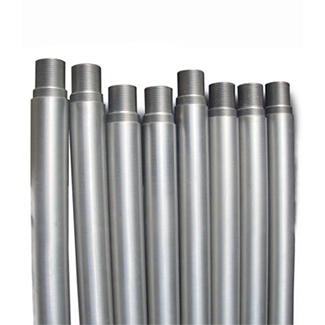
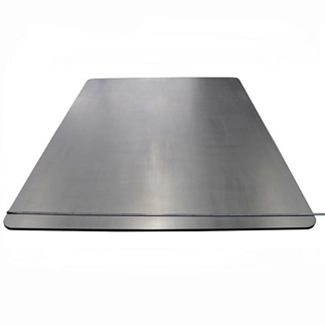
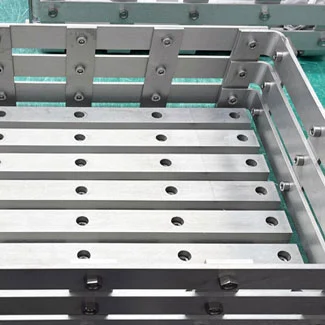
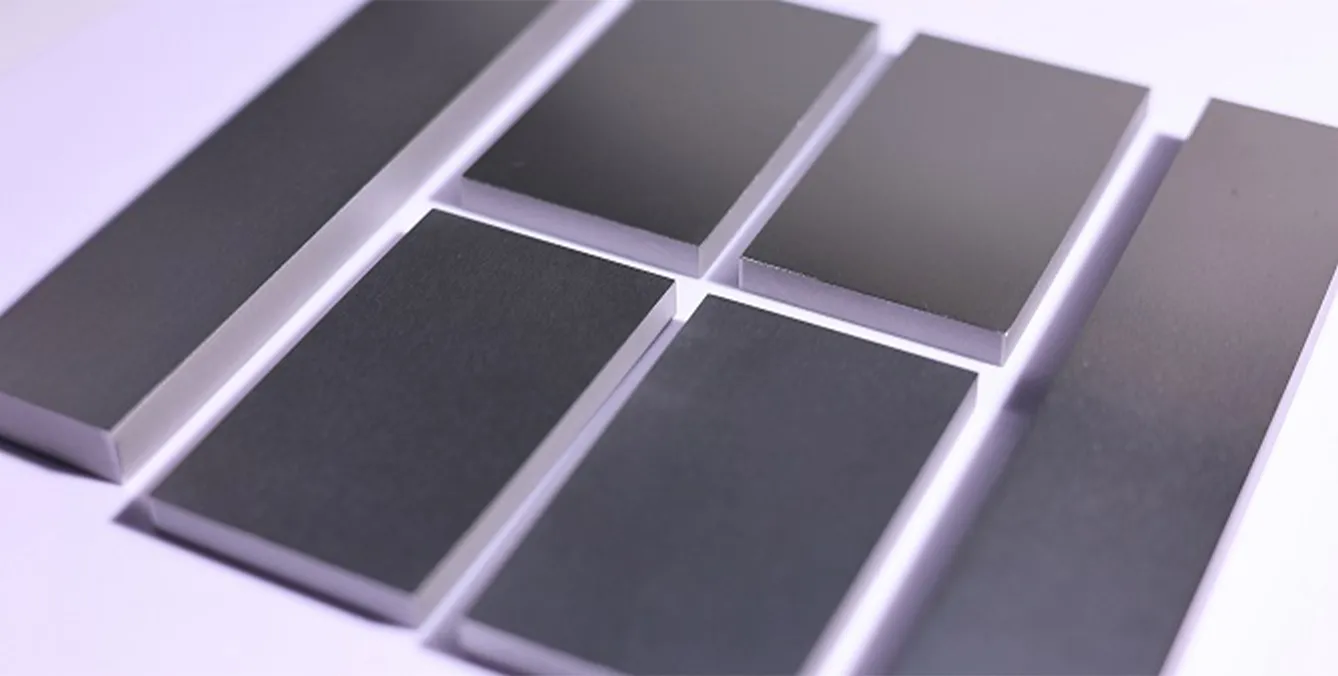
Furthermore, avoiding sudden and uncontrolled thermal shocks during the cooling phase helps protect the grain matrix from thermal fatigue damage. If your thermal field insulation assembly or heating elements also need simultaneous updates during container maintenance, you can bundle your one-stop procurement by combining components. GEMEI manufactures various structured thermal field hardware, allowing you to easily match your melting container with high tensile strengthmolybdenum rods(for structural hanger assemblies) or cross-rolledprecision molybdenum plates(for multi-layer thermal radiation protection shields).
Submit Your Source Factory Technical Inquiry
Are you designing a new generation of high-temperature induction furnaces, or expanding your crystal growth capacity? GEMEI offers standard specifications and fully customized refractory metal solutions, with all products accompanied by complete material inspection certificates and 100% passing strict ultrasonic non-destructive testing.
Feel free to directly submit your exact thickness tolerance, outer diameter requirements, and CAD blueprint designs to our technical engineering team, and we will provide you with transparent factory direct sales quotes within 24 hours:
[Contact our engineering team to lock in product precision and exclusive quotes]
 English