Cross-Rolled Shield: How High-Quality Molybdenum Plates Effectively Resist Radiation Heat Loss?
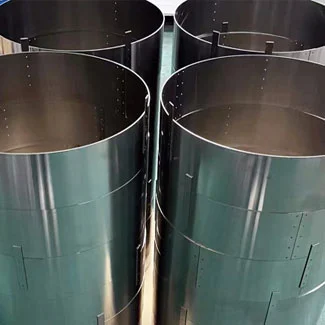
In the design and assembly of advanced high vacuum electric furnaces and localized electronic heat fields, maintaining perfect structural flatness while controlling heat loss is a highly challenging engineering problem. High-purity molybdenum plates have become the preferred shielding material in the industry to resist extreme radiation heat loss. Due to the high melting point of pure molybdenum at 2623°C, planar components rolled from this metal can provide excellent dimensional stability, whereas traditional iron or nickel-based insulation elements would immediately yield and deform under the same harsh high temperatures.
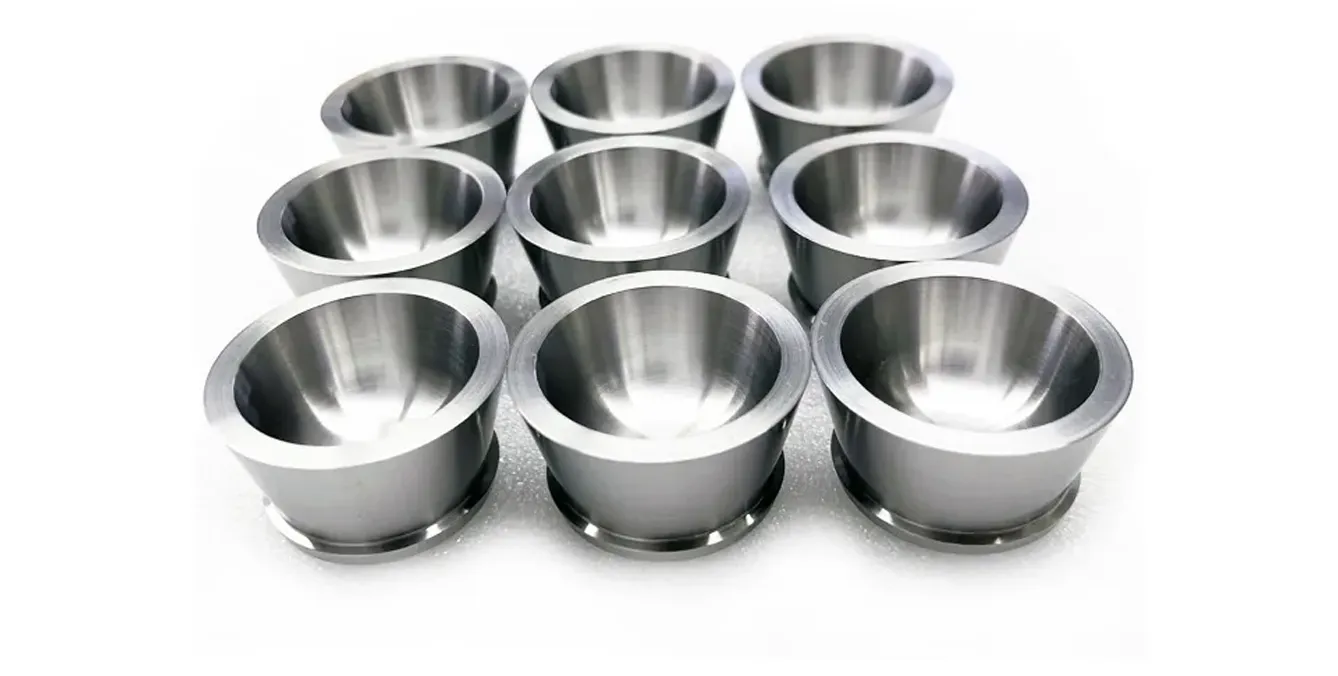
However, the secret to the long-lasting use of insulation shields lies in the internal grain structure. High-quality molybdenum plates must undergo a special ninety-degree multidirectional cross-rolling process (alternating the rolling direction by 90° each time). This powerful metallurgical deformation process completely eliminates the common anisotropy and brittle crack risks seen in ordinary unidirectional rolling. The resulting uniform, dense microscopic grain matrix can withstand intense rapid temperature changes without warping, delaminating, or micro-cracking, thus providing optimal thermal insulation shielding for continuous industrial operation over several decades.
Cold Rolled Sheets vs. Hot Rolled Plates: Dimensional and Rolling Tolerance Control in Refractory Metal Manufacturing
When drafting precise equipment blueprints, it is crucial to clearly understand the technical differences between refractory sheets and heavy plates. Strictly following international manufacturing standards systems such as ASTM B386, the classification is entirely determined by thickness thresholds and the corresponding cold or hot rolling manufacturing processes:
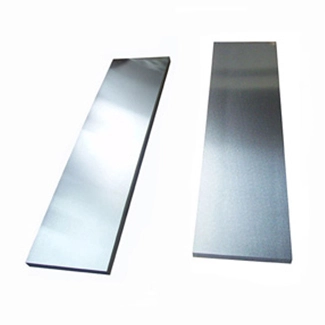
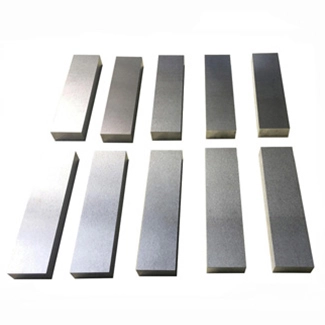
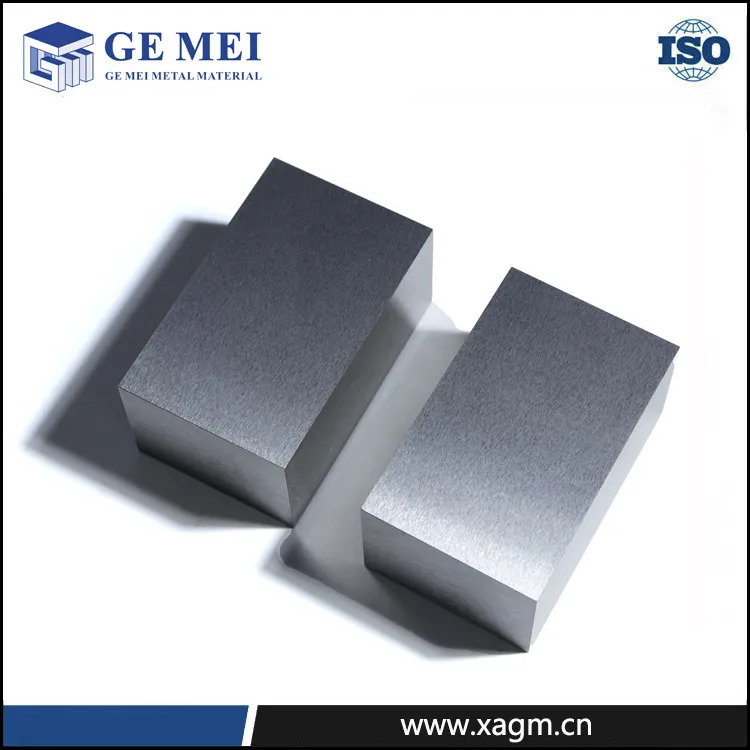
Cold-Rolled Molybdenum Sheets: Typically ranging from 0.5mm to 3.9mm in thickness, these materials undergo rigorous multi-pass cold rolling thinning cycles, complemented by interim vacuum annealing and final surface chemical cleaning. This process imparts a bright silver-gray metallic luster to the products and locks the thickness tolerance to an astounding ±0.05mm, perfectly meeting the stringent requirements of precision semiconductor substrates, power device heat dissipation backplates, and electron tube anodes.
Hot-Rolled Molybdenum Heavy Plates: Typically ranging from 4.0mm to over 50mm in thickness, these heavy plates are rolled with large deformation amounts in a high-temperature recrystallization state. Their surfaces exhibit a deep brown or matte black oxide layer state, providing extremely high high-temperature tensile strength and yield limits, specifically used for constructing high-load furnace beds, heavy sintering pads, and strongly corrosive glass melting electrode plates.
Advanced Plate Deep Processing: Precision Laser Cutting, Bending Forming, and Stamping Customization of Molybdenum Plates
For complex modern industrial assemblies, procuring mere flat general materials is often just the first step. Due to the high brittle-ductile transition temperature (BDTT) of refractory metals, they are extremely difficult to perform traditional mechanical cold processing at room temperature. Therefore, to successfully deep process and reshape high-purity molybdenum plates, it is necessary to rely on specialized molds and tools, along with rich surface preheating temperature control technology.
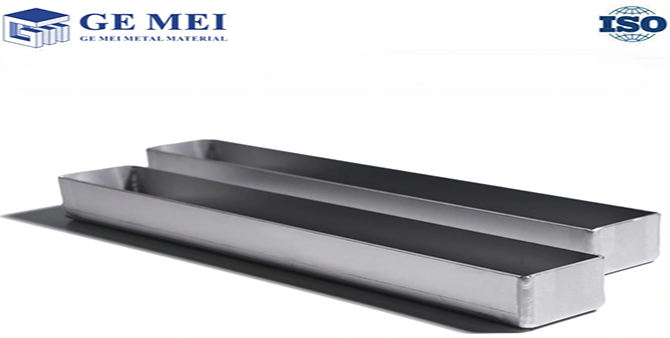
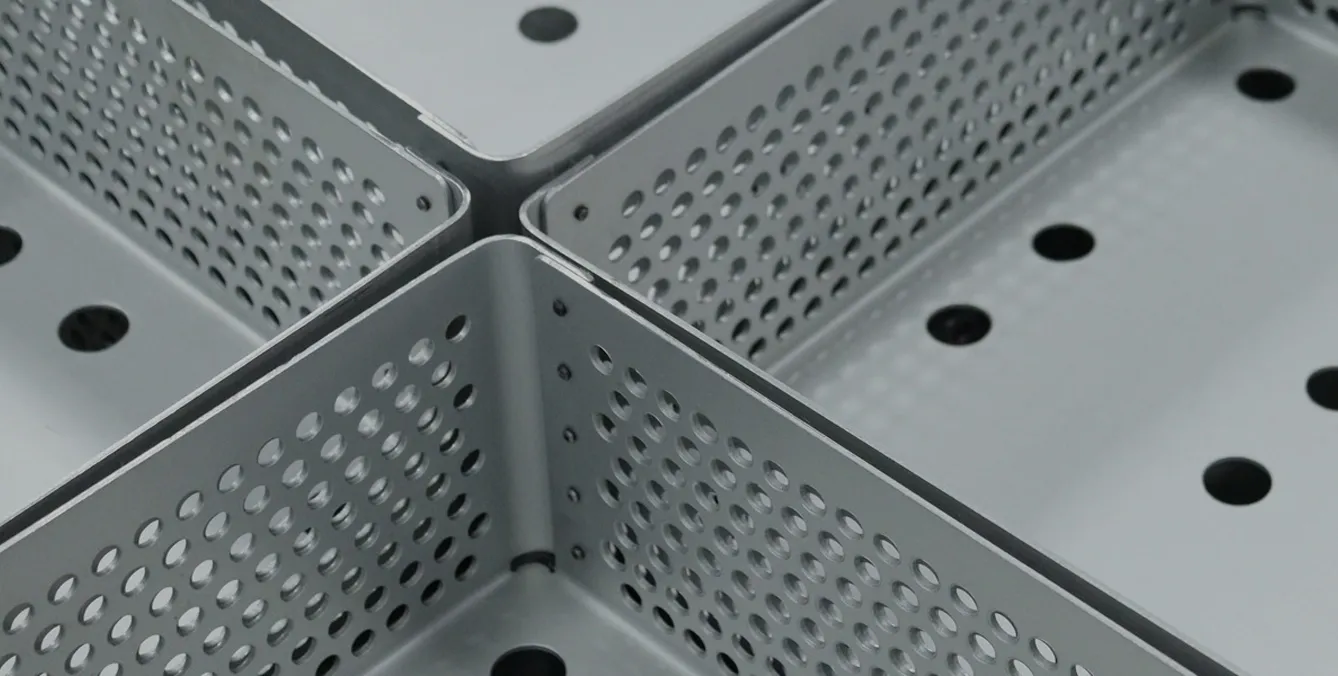
GEMEI Metal can directly provide a complete one-stop factory customization service based on your CAD drawings or PDF technical blueprints. Our advanced machining center is equipped with high-precision laser cutting equipment (for processing complex geometric shapes of discs and washers), array stamping equipment (for manufacturing grid-like porous heating fences), and specialized hot bending molds (for bending right-angle edges of multilayer radiation insulation shields). By executing these high-difficulty technical operations in a strictly controlled factory environment, we completely eliminate the risk of edge micro-cracks and interlayer delamination, delivering to you ready-to-assemble finished components.
Revealing Core Procurement Elements: What Determines the B2B Wholesale Price of Molybdenum Plates?
For procurement departments needing to balance project budgets, deeply understanding the technical variables behind factory quotes is key to successful business negotiations and cost optimization. Procurement managers need to note that the final price of molybdenum plates is primarily determined by the following three fundamental engineering elements:
The complexity of rolling passes: Manufacturing ultra-thin cold-rolled molybdenum sheets requires repeated rolling reductions and intermediate vacuum stress relief annealing cycles, consuming much more man-hours and energy costs compared to directly delivering rough hot-rolled thick blocks.
The level of surface treatment refinement: Upgrading materials from the initial oxide skin black surface to a chemically cleaned clean matte surface, and then to a mirror-polished surface through precision centerless grinding, although it increases special processing man-hours, returns to buyers nearly zero thickness deviation control.
The material yield of machining drawings: Complex geometric cutting, punching, or special stamping structures generate specific scrap losses. Directly cooperating with source factories possessing a complete "powder to plate" integrated industrial chain can maximize raw material recovery and utilization rates, thus securing the most transparent and competitive molybdenum plate prices for large-volume long-term contract orders.
Transoceanic International Logistics Assurance: Choosing a Senior Molybdenum Plate Supplier with Reliable Foreign Trade Packaging
In the process of cross-border procurement of high-value refractory metals, it is necessary to choose a long-term partner who can carry out product safety protection to the last mile. Since flat plates are extremely susceptible to surface scratches, edge bumps, and surface oxidation erosion caused by moist air during long sea and multimodal transportation, selecting molybdenum plate suppliers based on packaging details is as decisive as examining their factory material certificates.
As one of the world's senior molybdenum plate suppliers, GEMEI Metal implements a zero-defect international logistics protection standard. Each sheet of plate leaving the factory is individually sandwiched with custom moisture-proof absorbent paper, the overall package is vacuum-packed with heavy-duty anti-corrosion and moisture-proof plastic film, and firmly anchored in custom-made high-strength fumigation-free plywood boxes for export, with high-strength steel bands used for comprehensive reinforcement around the wooden box. This heavy-duty structural packaging ensures that your precision rolled plates remain perfect and as fresh as when they left the factory upon reaching your warehouse, completely immune to any deformation during transportation or moisture-induced rust.
Feel free to browse our comprehensive top-tierMolybdenum Productelectronic catalog to explore our richer refractory metal bus, or directly contact our engineering team to quickly secure your next project-specific quote.
 English