
High Temperature Resistance: Must maintain structural stability at extremely high temperatures without softening or melting.
Thermal Shock Resistance: Capable of withstanding rapid temperature changes—from room temperature to operating temperature and during cooling—without cracking.
High Thermal and Electrical Conductivity: Needs to efficiently transfer heat to the evaporation material while functioning as a resistive heating element itself.
Resistance to Molten Metal Corrosion: Can resist corrosion and erosion by molten metals, ensuring a long service life.
Low Outgassing Rate: In a vacuum environment, the material itself should not release excessive gas, so as not to affect vacuum degree and coating quality.
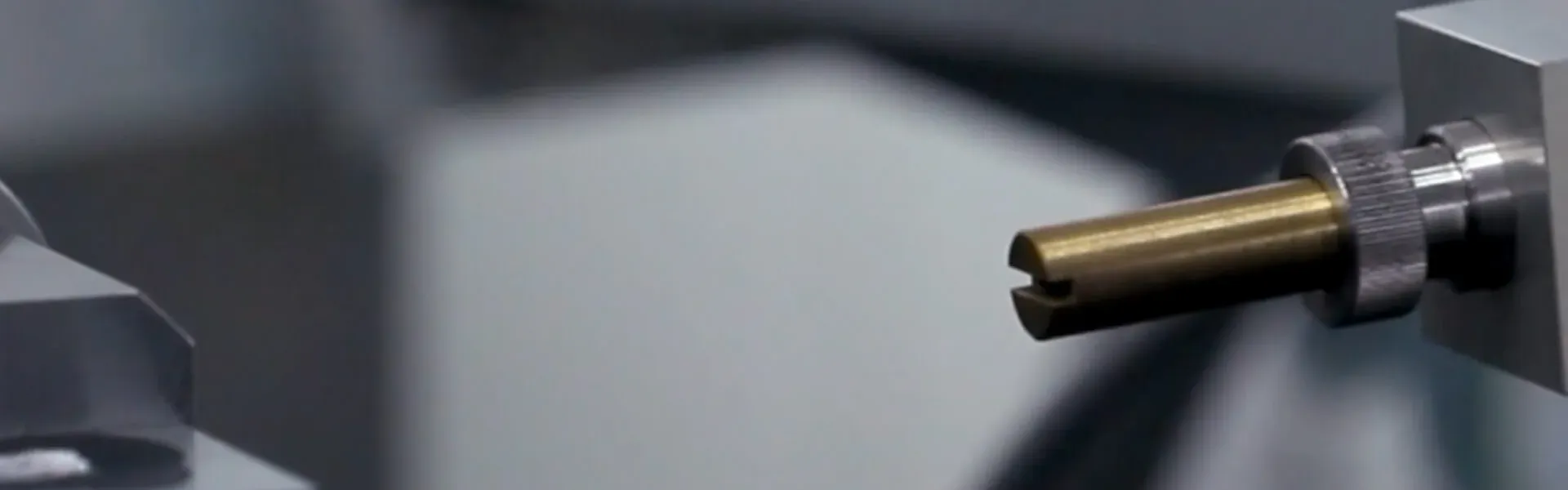
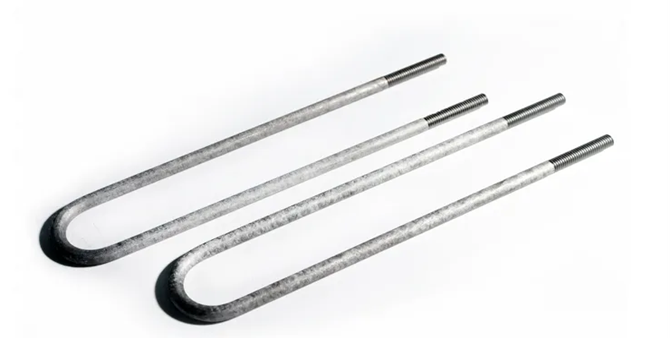
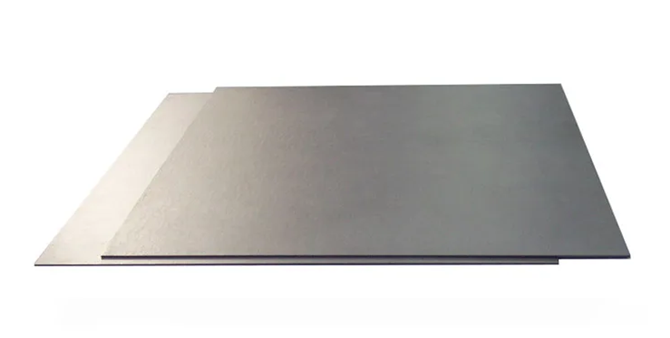
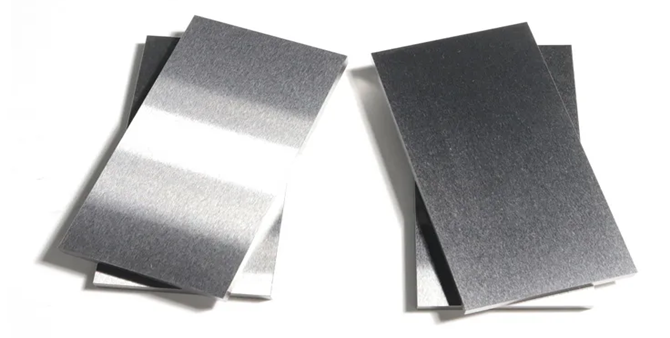
Primary Materials: Refractory metals are used, such as tungsten (W), tantalum (Ta), and molybdenum (Mo) boats.
They are mainly used for evaporating metals with higher melting points (e.g., gold, silver, copper) or in certain electron beam evaporation sources. Typically, they generate heat not through electrical resistance, but via electron bombardment or indirect heating.
Packaging Industry: The largest-volume application. Aluminum is coated onto plastic films such as CPP, BOPP, and PET to produce packaging materials with high barrier properties, aesthetic appeal, and anti-counterfeiting functions (e.g., potato chip bags, chocolate packaging, cigarette inner liners).
Capacitor Manufacturing: Zinc or aluminum is coated onto plastic films (e.g., PET, PP) to serve as electrodes.
Decoration Industry: Coatings are applied to the surfaces of plastic parts, ceramics, glass, etc., to create metal-imitating and colored decorative effects.
Functional Films: Used for manufacturing electromagnetic shielding films, transparent conductive films (e.g., the underlayer of ITO films), and more.
Paper Coating: Applied in the production of gift wrapping paper and other paper products.