
High-Temperature Resistance: Tungsten has a melting point of 3410°C, and molybdenum reaches 2620°C—far exceeding that of most metals. They can operate continuously in high-temperature environments of 1000–2000°C without easy melting or deformation.
Excellent Electrical Performance: They have moderate electrical resistivity at room temperature (approximately 5.6 Ω·m for tungsten and 5.2 Ω·m for molybdenum), with good electrical and thermal conductivity. Meanwhile, their resistance remains stable at high temperatures, making them suitable for use as conductive or heating elements.
High Mechanical Strength: The tensile strength and hardness of tungsten-molybdenum wires are significantly higher than those of conventional wires (e.g., copper, aluminum). They also maintain good creep resistance (slow deformation at high temperatures) at elevated temperatures and are not prone to breakage.
Strong Chemical Stability: They hardly react with air or water at room temperature. In inert gas or vacuum environments, they can avoid high-temperature oxidation, thus extending their service life.
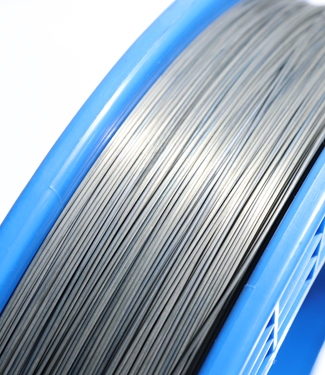
Pure Tungsten Wires: Highest melting point and maximum strength, but relatively high brittleness, leading to high processing difficulty.
Pure Molybdenum Wires: Lower melting point than tungsten, but superior toughness, making them easier to process.
Molybdenum-Lanthanum Wires (Mo-La): High recrystallization temperature and strong high-temperature creep resistance.
Molybdenum-Potassium Wires (Mo-K): Balanced strength at both room temperature and high temperatures.
Tungsten-Rhenium Wires (W-Re): Incorporating 3%–5% rhenium significantly enhances tungsten’s toughness and fracture resistance.
Electric Light Source Field: Pure tungsten wires are used as filaments for incandescent lamps and xenon lamps; molybdenum-lanthanum/molybdenum-potassium wires serve as leads for tungsten-halogen lamps and automotive HID (High-Intensity Discharge) lamps.
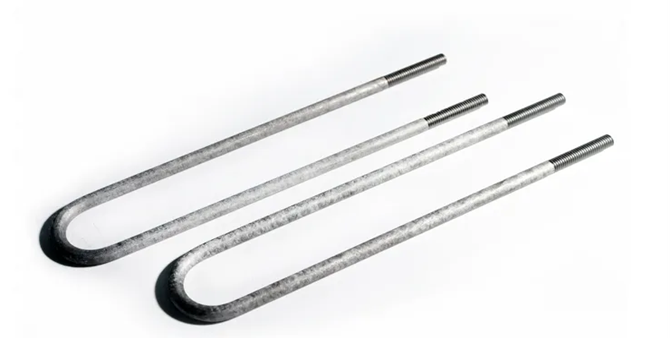
High-Temperature Industry Field: Pure molybdenum wires are used as leads for heating elements in high-temperature resistance furnaces (e.g., sintering furnaces, annealing furnaces); tungsten wires are employed as electrode leads in plasma generators and electron beam welding machines.
Electronics and Semiconductor Field: Molybdenum wires act as internal conductive/support wires in electron tubes and vacuum diodes; tungsten wires are used as precision conductive components in semiconductor wafer manufacturing equipment.
Special Equipment Field: Tungsten-rhenium wires are used as high-temperature-resistant wires in aerospace equipment and high-temperature thermocouples (for measuring temperatures above 1600°C); molybdenum alloy wires serve as precision conductive wires in spacecraft attitude control systems.
