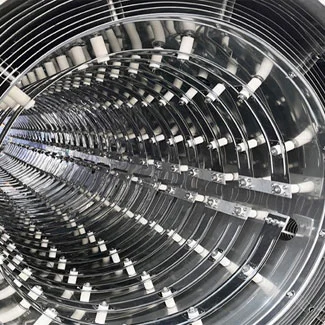
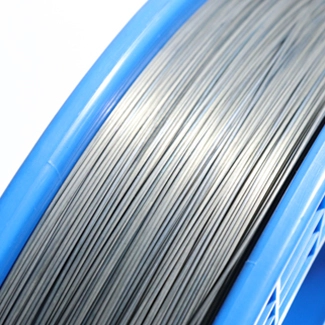
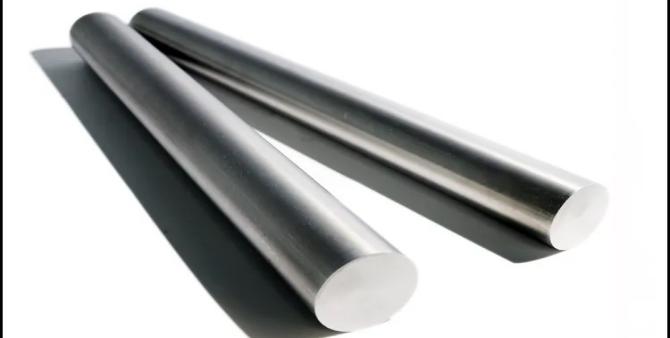
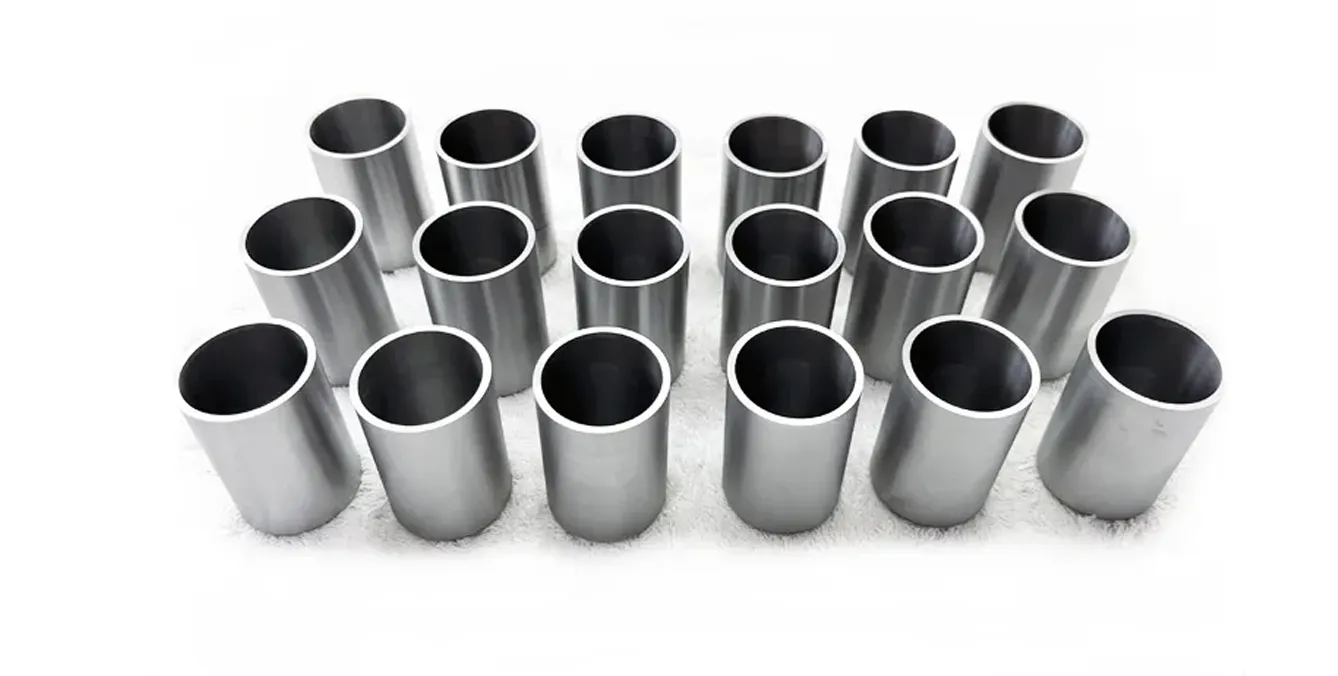
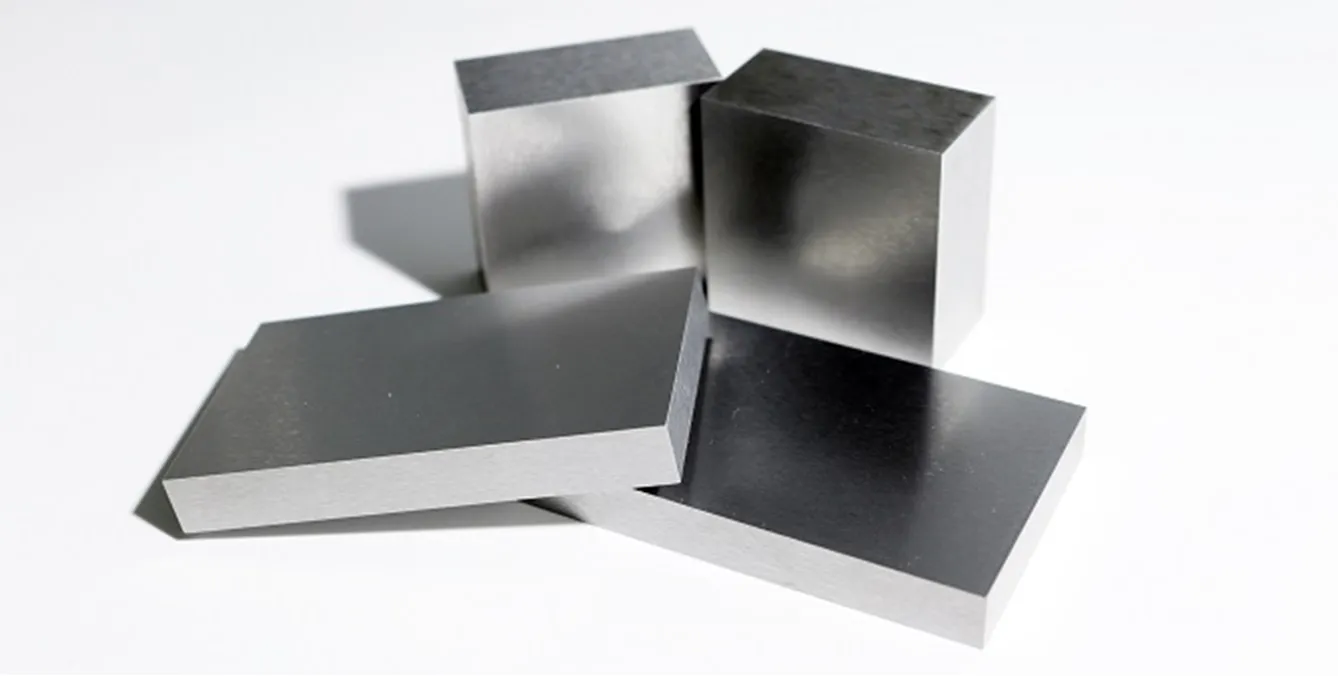
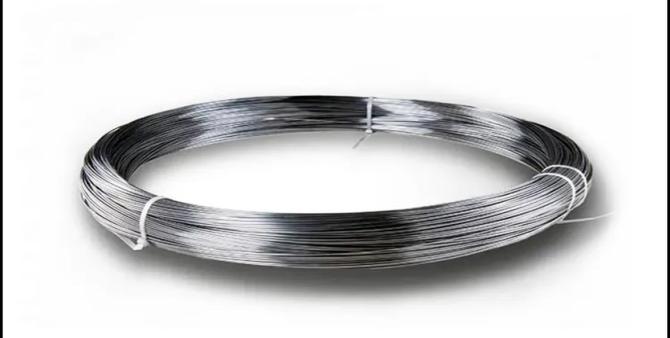
A properly designed molybdenum heat shield can effectively reduce heat radiation loss, stabilize the thermal field inside the furnace, and protect surrounding furnace components.
For vacuum furnaces and hydrogen furnaces, the performance of the heat shield is not only determined by the material thickness. The design also needs to consider factors such as the structure of the insulation layer, layer spacing, surface condition, thermal expansion, operating temperature, and the atmosphere inside the furnace.
Why do high-temperature furnaces use molybdenum heat shields?
Molybdenum has a high melting point, low thermal expansion coefficient, and good high-temperature stability, making it widely used in various high-temperature furnace components.
Molybdenum heat shields are particularly suitable for controlling heat radiation in high-temperature environments. Compared to simply using a thicker metal plate, high-temperature furnace thermal fields typically employ multiple layers of thin molybdenum plates with certain gaps between each layer.
This structure helps to:
Reduce radial and axial heat loss;
Improve temperature stability inside the furnace;
Protect the furnace and surrounding components;
Reduce the heat transferred to the water-cooled furnace wall;
Meet the clean processing requirements in vacuum and controlled atmosphere environments.
Molybdenum heat shields are commonly used in vacuum heat treatment furnaces, sintering furnaces, crystal growth furnaces, and other high-temperature equipment.
How should molybdenum heat shields be designed?
The actual performance of molybdenum heat shields is affected by multiple design factors.
Multi-layer insulation structure
For controlling heat radiation, it is generally more suitable to use a multi-layer insulation structure with certain spacing.
The specific number of layers needed should be determined based on the temperature inside the furnace, the size of the thermal field, installation space, and the required insulation efficiency, rather than simply using a fixed number of layers.
Cylindrical heat shields and end heat shields
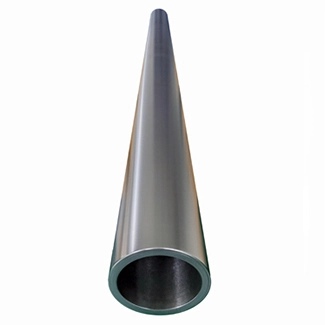
Cylindrical heat shields are mainly used to reduce radial heat loss, while end heat shields are primarily used to control axial heat loss.
Rationally combining the two structures can help improve the temperature stability and uniformity of the entire high-temperature zone.
Thermal expansion design
Although molybdenum has a relatively low thermal expansion coefficient, the heat shield will still expand and contract during repeated heating and cooling processes.
Reasonable setting of gaps, expansion joints, slots, and installation structures can reduce thermal stress and decrease the risk of deformation or cracking of the heat shield.
Material selection
Pure molybdenum can meet the needs of many high-temperature furnace insulation applications.
If there are higher requirements for high-temperature dimensional stability or mechanical performance, Mo-La (molybdenum-lanthanum alloy) or TZM may be considered based on the working conditions.
The final material should be comprehensively selected based on the operating temperature, thermal cycling conditions, size structure of the heat shield, and expected service life.
Surface condition
The surface condition of molybdenum plates affects their heat radiation performance.
In suitable application environments, smoother or polished molybdenum surfaces have lower emissivity, which helps improve heat reflection effects.
What are the differences in heat shield design for vacuum furnaces and hydrogen furnaces?
Molybdenum can be used in both vacuum furnaces and hydrogen furnaces, but the heat transfer environments of the two furnace types are not exactly the same.
In a high vacuum environment, gas conduction and convection are significantly reduced, making it especially important to control heat radiation. Multi-layer reflective insulation structures have thus become an important part of vacuum furnace thermal field design.
In hydrogen furnaces, heat radiation is still very important, but heat is also transferred through hydrogen gas. Therefore, the design also needs to consider gas flow, heat shield openings, layer spacing, and working pressure.
| Design Factors | Vacuum Furnace | Hydrogen Furnace |
|---|
| Main Considerations | Control heat radiation | Heat radiation and gas heat transfer |
| Insulation Structure | Multi-layer reflective structure | Multi-layer structure, considering gas flow |
| Opening Design | Minimize radiation heat loss | Balance insulation effect and gas circulation |
| Working Atmosphere | High vacuum | Controlled hydrogen atmosphere |
| Anti-oxidation | Very important | Important during purging and operation |
Molybdenum is generally not suitable for direct exposure in high-temperature oxidizing environments, so atmosphere control is necessary for both vacuum and hydrogen furnaces.
How to customize molybdenum heat shields?
Providing complete quotation information helps manufacturers more accurately determine suitable materials and heat shield structures.
It is recommended to provide the following parameters:
Furnace type;
Maximum operating temperature;
Vacuum degree or working atmosphere;
Size of the thermal field;
Shape and number of heat shield layers;
Determined molybdenum plate thickness;
Material grade requirements;
Surface treatment requirements;
Drawings and dimensional tolerances;
Purchase quantity.
If replacing an existing heat shield, you can also provide product photos and failure conditions such as deformation, cracking, oxidation, or temperature unevenness. This information helps further optimize the heat shield design.
GEMEI has been engaged in the production and deep processing of tungsten, molybdenum, and their alloy materials since 1995, providing refractory metal materials and custom components for high-temperature applications.
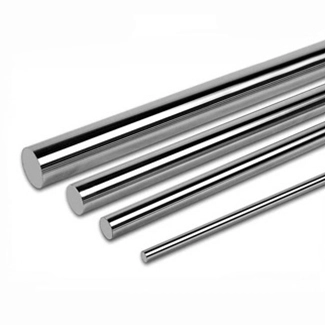
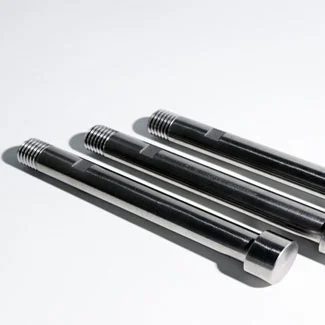
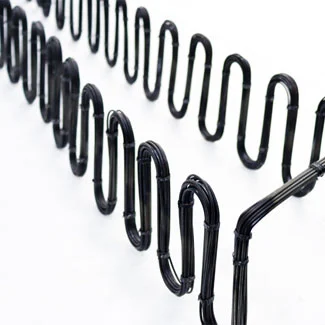
GEMEI can provide cylindrical molybdenum heat shields, end heat shields, and various custom molybdenum components, and can choose pure molybdenum or suitable molybdenum alloy materials based on actual working conditions.
To obtain a quote or discuss specific technical solutions, please contact us by sending your drawings, furnace operating temperature, atmosphere conditions, product dimensions, and purchase quantity.
Summary
High-performance molybdenum heat shields require a rational combination of material selection, layer spacing, heat shield structure, surface condition, and thermal expansion design.
Vacuum furnaces mainly rely on reflective insulation structures to control heat radiation, while hydrogen furnaces need to consider both heat radiation and gas heat transfer and circulation.
Therefore, when selecting molybdenum heat shields, one should not only focus on material thickness or maximum operating temperature but should comprehensively consider the entire working environment inside the furnace to achieve better insulation efficiency, temperature stability, and service life.
Frequently Asked Questions
What is the role of molybdenum heat shields in vacuum furnaces?
Mainly used to reduce heat radiation loss, protect other components inside the furnace, and help maintain stable thermal field temperatures.
How many layers do molybdenum heat shields need?
There is no fixed number of layers; it needs to be determined based on operating temperature, furnace size, installation space, and insulation performance requirements.
Can molybdenum heat shields be used in hydrogen furnaces?
Yes. Molybdenum is widely used in hydrogen furnaces and reducing atmosphere furnaces with good atmosphere control.
Can molybdenum heat shields be used in air?
It is generally not recommended for use in high-temperature air environments because molybdenum tends to oxidize in high-temperature oxidizing environments.
Are thicker molybdenum heat shields better?
No. Insulation performance is also affected by the number of layers, layer spacing, surface condition, installation method, and overall structure.
Why do molybdenum heat shields deform?
Common reasons include thermal stress, uneven heating, insufficient thermal expansion space, and unreasonable support structure design.
 English