Resistance Welding Electrode Functions
Current Conduction: Efficiently conduct the high current (several thousand to tens of thousands of amperes) generated by the welding transformer to the workpiece.
Pressure Application: Apply stable pressure to the workpiece through the electrode pressure mechanism to ensure stable contact resistance and form a dense weld nugget.
Heat Dissipation: The enormous heat generated during welding causes the workpiece and the electrode itself to heat up. The electrode must quickly dissipate the heat to prevent itself from overheating, softening, or adhering to the workpiece.
Weld Nugget Quality Maintenance: The shape and size of the electrode directly affect the current density distribution, thereby influencing the size, shape, and strength of the weld nugget.
Selection of Resistance Welding Electrode Materials
The selection of electrode materials is crucial, as they must possess a series of stringent physical and chemical properties:
High Electrical and Thermal Conductivity: Ensure efficient current transmission and rapid heat dissipation.
High Strength and Hardness: Maintain sufficient strength and hardness (deformation resistance) even at high temperatures to withstand enormous pressure without deformation.
High Recrystallization Temperature: Delay grain coarsening and softening caused by high temperatures.
Low Contact Resistance: The material’s own resistance must be much lower than the contact resistance between workpieces, ensuring that heat is generated primarily between workpieces rather than in the electrodes themselves.
Anti-Adhesion Property: Resistant to reaction or adhesion with workpiece materials (e.g., aluminum, galvanized steel sheets).
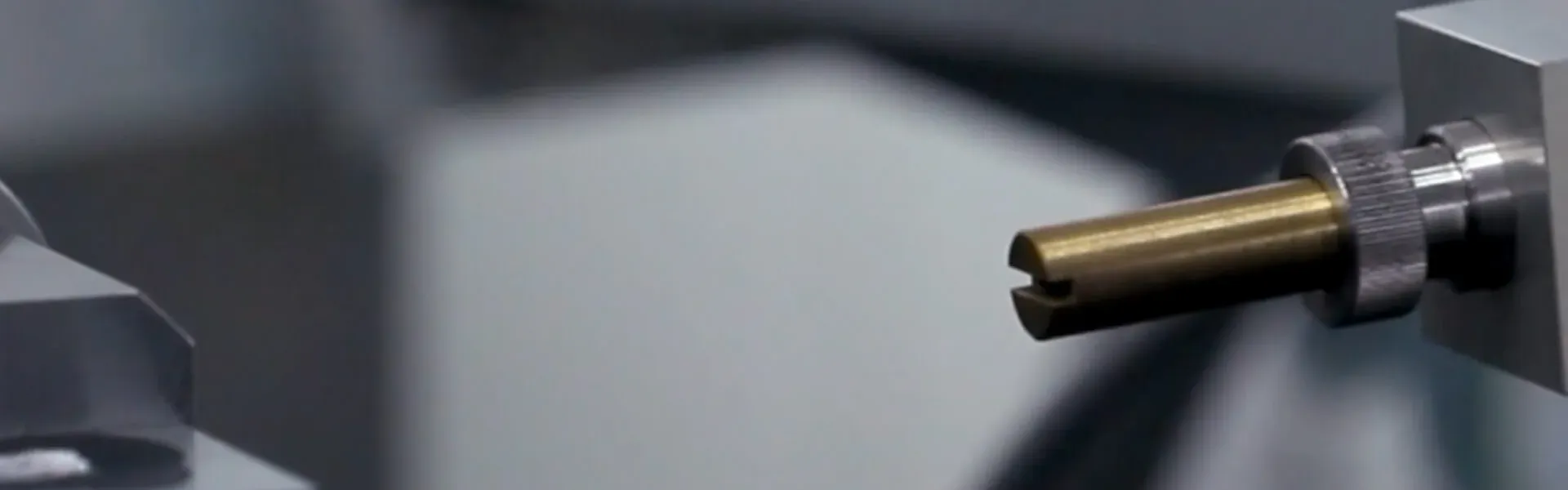
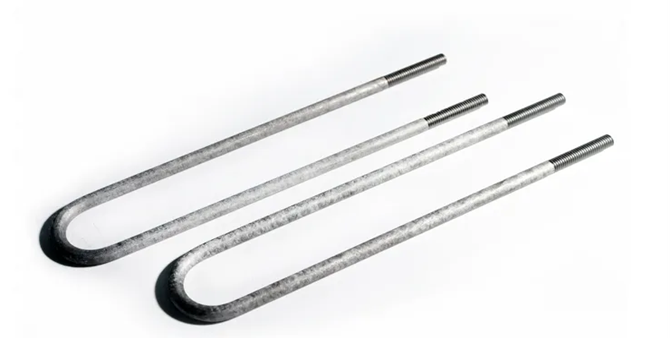
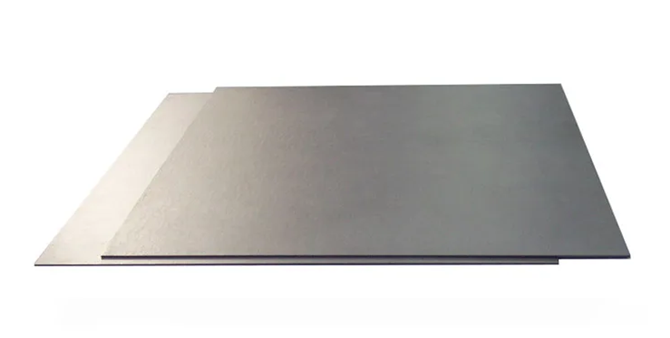
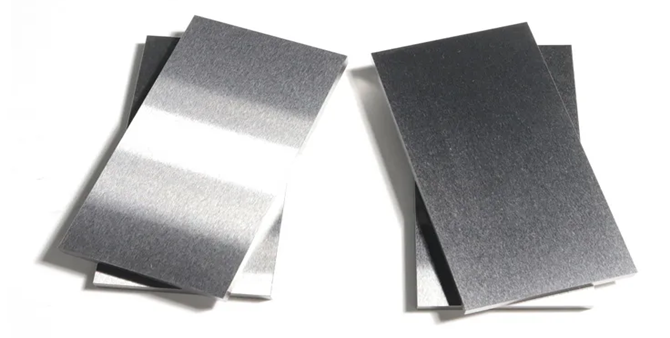
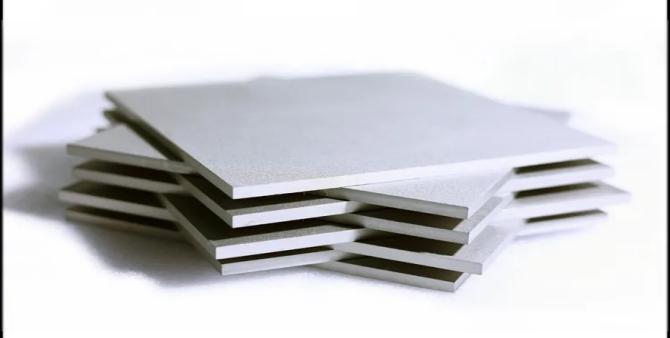
Tungsten-Based Materials (e.g., tungsten-copper, tungsten): Feature extremely high hardness and melting points but relatively poor electrical conductivity. They are typically made into insert electrodes—i.e., a piece of tungsten or tungsten-copper alloy is embedded in the end of a copper electrode cap. They are mainly used for welding ultra-high conductivity materials such as copper and aluminum, or as roller electrodes for seam welding.
 English