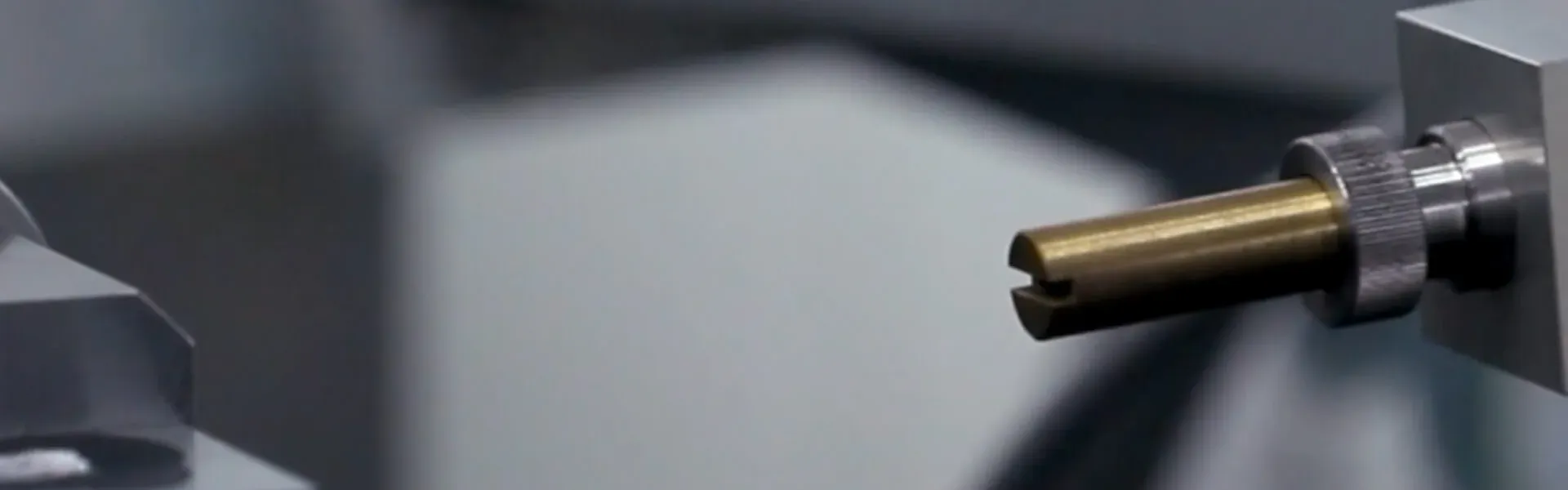
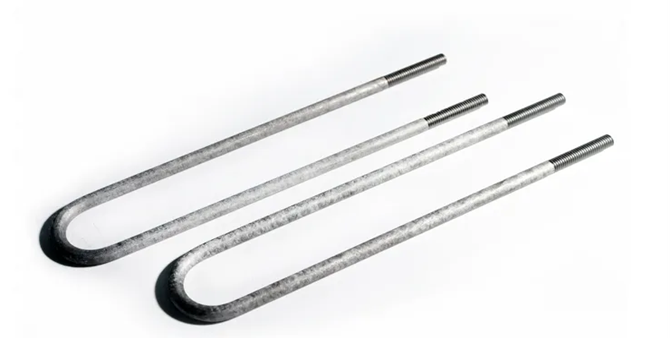
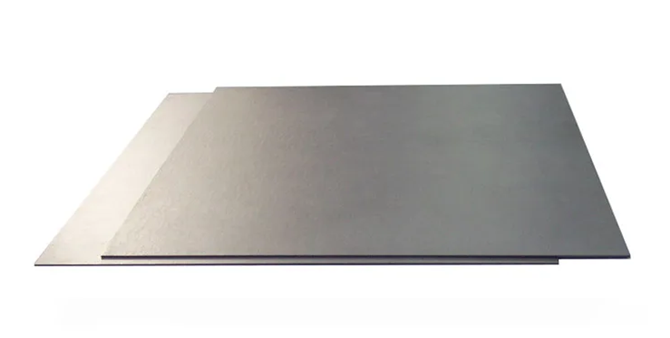
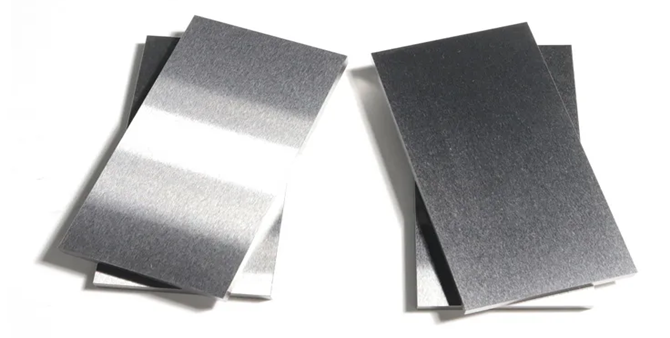
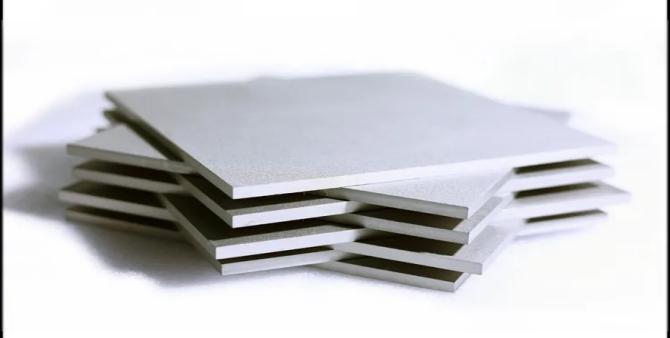
Spinning Nozzles Material Properties
The products are typically made from molybdenum powder or tungsten powder with a purity of no less than 99.95%; some also use alloy materials such as TZM (titanium-zirconium-molybdenum alloy). They possess properties including high-temperature resistance, high strength, corrosion resistance, and oxidation resistance, enabling them to maintain stable performance and shape in harsh environments like high-temperature spinning, thus ensuring the smooth progress of the spinning process.
Spinning Nozzles Product Advantages
They feature high purity, high density, precise tolerance control, excellent surface roughness, uniform structure, and freedom from defects such as pores and bubbles. These characteristics allow for precise spinning, producing fiber products with uniform quality and stable performance. Meanwhile, they also have a long service life, reducing replacement frequency and improving production efficiency.
Spinning Nozzles Application Fields
They are mainly used in wool and fiber production, and also find applications in glass manufacturing. For example, when producing glass wool and glass fiber, molten melts need to be extruded through tungsten-molybdenum spinnerets at high temperatures exceeding 1600°C, followed by blowing or spinning to form finished products.
 English