
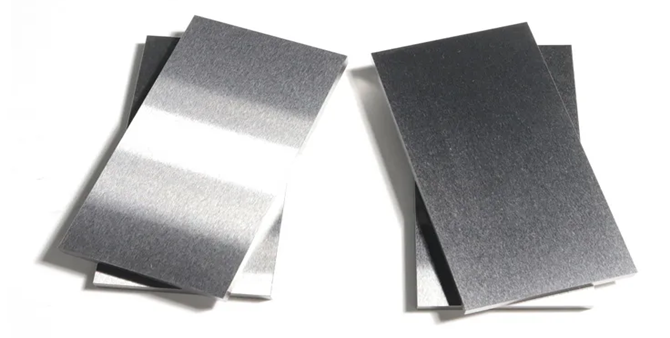
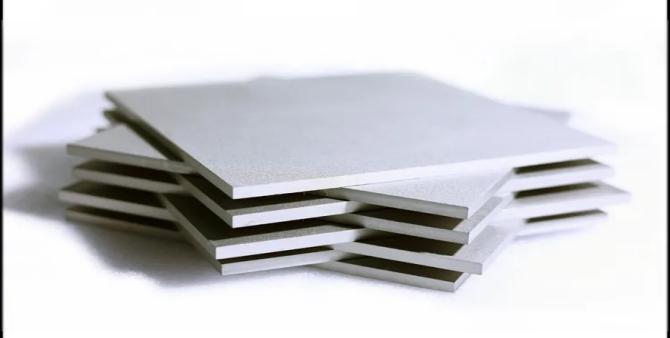
Gemei manufactures (the product) through two methods:
Powder Metallurgy: High-purity molybdenum powder and titanium powder are mixed in proportion, followed by processes such as compression molding and sintering. This method ensures controllable composition and uniform microstructure.
Casting: Molybdenum and titanium are melted in a high-temperature furnace, then poured into a mold to cool and solidify into shape.
Gemei manufactures (the product) through two methods:
Powder Metallurgy: High-purity molybdenum powder and titanium powder are mixed in proportion, followed by processes such as compression molding and sintering. This method ensures controllable composition and uniform microstructure.
Casting: Molybdenum and titanium are melted in a high-temperature furnace, then poured into a mold to cool and solidify into shape.
High Density, High Melting Point, and High Hardness: Not prone to deformation at high temperatures, effectively resisting physical wear and extending the service life of the target.
Excellent Corrosion Resistance and Chemical Stability: Maintains material stability and purity during the sputtering process, without adverse reactions with sputtering gases or substrate materials.
Microelectronics Industry: Used to manufacture conductive layers and barrier layers for semiconductor devices, as well as conductive paths and connection points on integrated circuit boards.
Thin-Film Material Field: Can produce electrode materials for photovoltaic thin films and coating materials with properties such as corrosion resistance and wear resistance.
Aerospace and Automotive Industries: Used to produce wear-resistant and corrosion-resistant thin films for components.
Medical Device Field: Can manufacture thin films with corrosion resistance and good biocompatibility.
