Xi'an Gemei Metal Material Co., Ltd.

Tungsten, molybdenum and their alloys play an important role in the solar energy industry, mainly applied in key links such as photovoltaic cell manufacturing, thin-film deposition equipment, and high-temperature heat treatment. Tungsten and molybdenum are indispensable in the solar energy industry, ranging from battery materials (such as CIGS back electrodes) to manufacturing equipment (such as high-temperature furnace components). As photovoltaic technology develops towards higher efficiency, flexibility and lower cost, the innovative applications of tungsten and molybdenum materials (such as nano-coatings and composite targets) will further promote the progress of the industry.

Applications of Tungsten&Molybdenum in the Solar Energy Industry

Applications of Tungsten&Molybdenum in the Solar Energy Industry

Tungsten(W)

Crystalline Silicon Solar Cells


  • Screen-printing electrodes:
    Tungsten wire meshes are used for high-precision conductive silver paste printing (e.g., back electrodes of PERC cells). Due to their high strength and corrosion resistance, they can ensure the accuracy of printed patterns.

  • High-temperature furnace components:
    Tungsten heaters and heat shields are used in diffusion furnaces (for phosphorus/boron doping, with temperatures exceeding 900°C), featuring high temperature resistance without contaminating silicon wafers.


Thin-Film Solar Cells (CIGS/CZTS)


  • Sputtering targets:
    Tungsten targets are used to deposit back electrode layers (e.g., Mo/W composite back contacts in CIGS cells), enhancing conductivity and adhesion.

  • Absorber layer doping:
    Tungsten-doped CIGS (copper indium gallium selenide) can optimize the bandgap and improve photoelectric conversion efficiency.


Perovskite Solar Cells


  • Electrode materials:
    Tungsten thin films serve as stable hole transport layers (replacing easily oxidizable Spiro-OMeTAD), extending the device lifespan.


Molybdenum(M)

Core Materials for Thin-Film Solar Cells


  • Back electrode layer:
    Molybdenum is the standard back contact material for CIGS cells (deposited via magnetron sputtering), with advantages including:

  • Low resistivity (5.3×10⁻⁸ Ω·m), reducing series resistance.

  • Thermal expansion matching: Close to that of the CIGS layer (CTE≈8×10⁻⁶/K), avoiding thermal stress cracking.

  • Chemical stability: Resistant to high-temperature corrosion in the selenization (Se) process.


Manufacturing Equipment for Crystalline Silicon Cells


  • High-temperature furnace rails and fixtures:
    Molybdenum components are used in sintering furnaces (temperatures 800-1000°C), featuring oxidation resistance and no contamination to silicon wafers.

  • Monocrystalline silicon growth:
    Molybdenum crucibles (Mo-Crucible) are used in the floating zone (FZ) method for growing high-purity monocrystalline silicon (to avoid contamination from quartz crucibles).


Our Advantages and Products Supplied

  • We can provide customized production or manufacturing according to your drawings as per your requirements.


  • Our equipment capacity allows for batch ordering and production.


  • Our materials have higher purity. Each batch of materials undergoes a full inspection to ensure their consistency and stability.


  • Our production is more standardized, with more precise dimensions and longer service life of the products.


  • Our production cycle is shorter, enabling us to complete the order production more quickly.


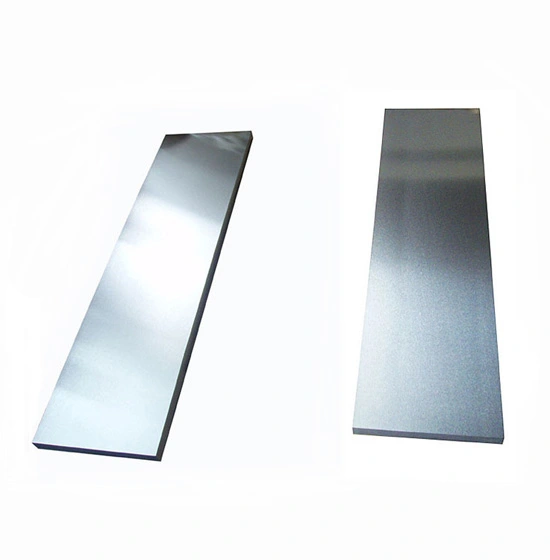
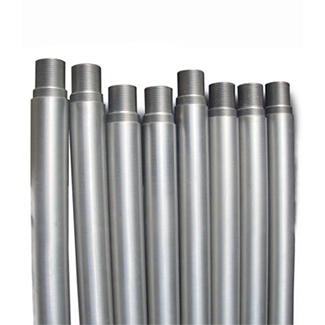
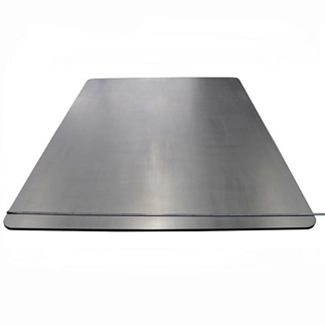
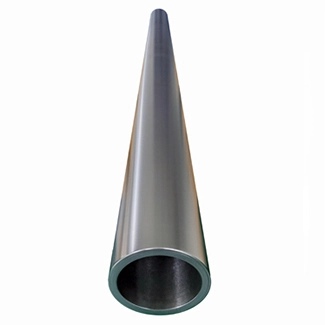
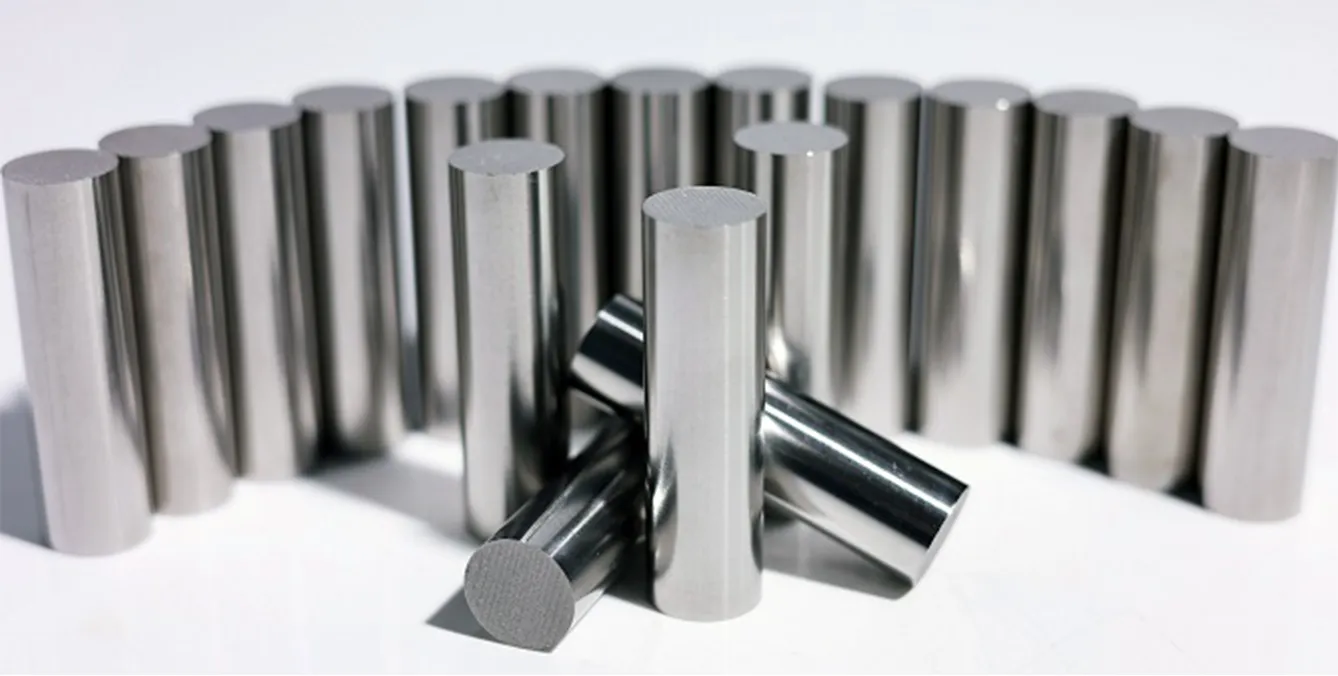
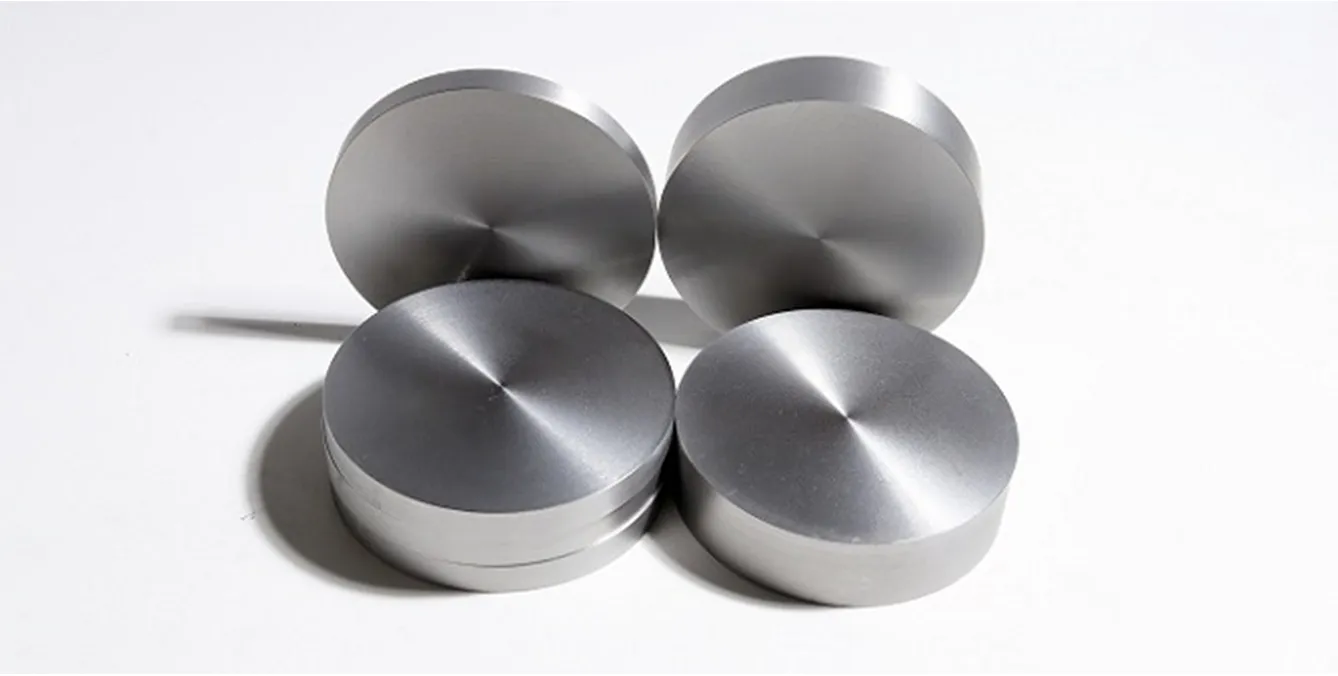
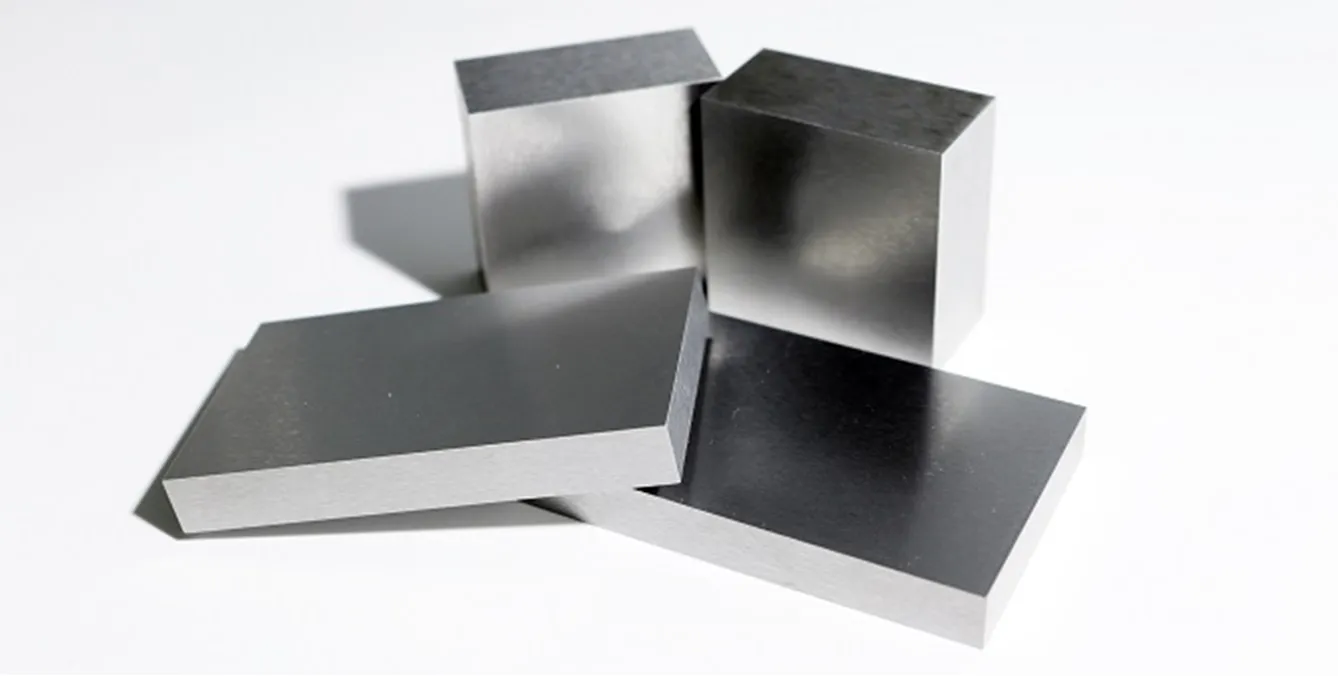
Our products include: tungsten sputtering targets, molybdenum sputtering targets, glass melting electrodes, and rotating targets.

Our Advantages and Products Supplied
Get In Touch With Us
For Any Interested Tungsten and Molybdenum Solutions
  • 2026 New Factory Construction Plan
    2026-01-12
    2026 New Factory Construction Plan
    The new factory purchased 42 mu of land on January 1st, 2025. Currently, the factory buildings are under construction and will be officially put into production in March 2026. It will construct factor...
  • Introduction to molybdenum-rhenium Materials
    2024-08-01
    Introduction to molybdenum-rhenium Materials
    Gemei's molybdenum-rhenium materials are high-end alloy materials with high-temperature stability, excellent corrosion resistance and high strength. Inheriting the high melting point advantages of...
  • Introduction to MHC Materials
    2024-08-01
    Introduction to MHC Materials
    1. Performance Description1.1 Outstanding high-temperature mechanical properties: MHC materials (a type of high-performance metal matrix composite) maintain excellent tensile strength, creep resistanc...
  • Introduction to Gemei's TZM Alloy Materials
    2024-08-01
    Introduction to Gemei's TZM Alloy Materials
    1. Performance Description1.1 Excellent high-temperature mechanical properties: TZM alloy (titanium-zirconium-molybdenum alloy) maintains high tensile strength and hardness in high-temperature environ...
We use cookies to offer you a better browsing experience, analyze site traffic and personalize content. Part of the tracking is necessary to ensure SEO effectiveness,
By using this site, you agree to our use of cookies. Visit our cookie policy to learn more.
Reject Accept