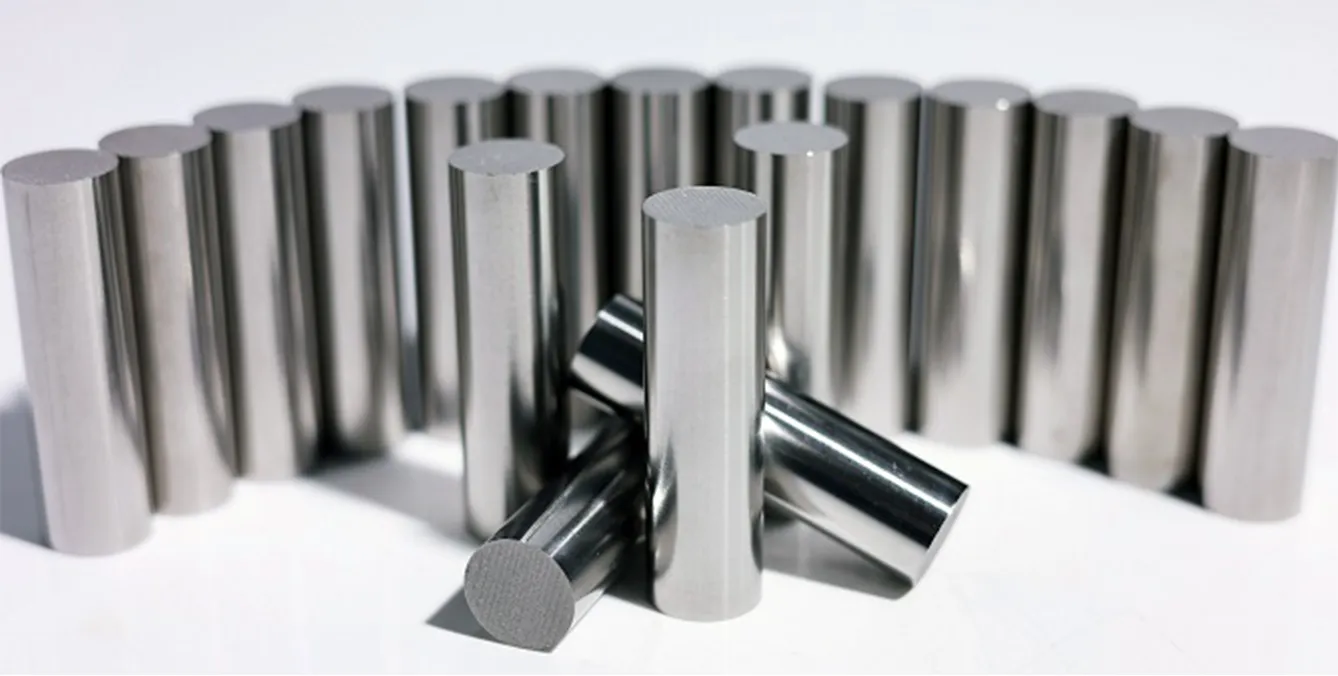
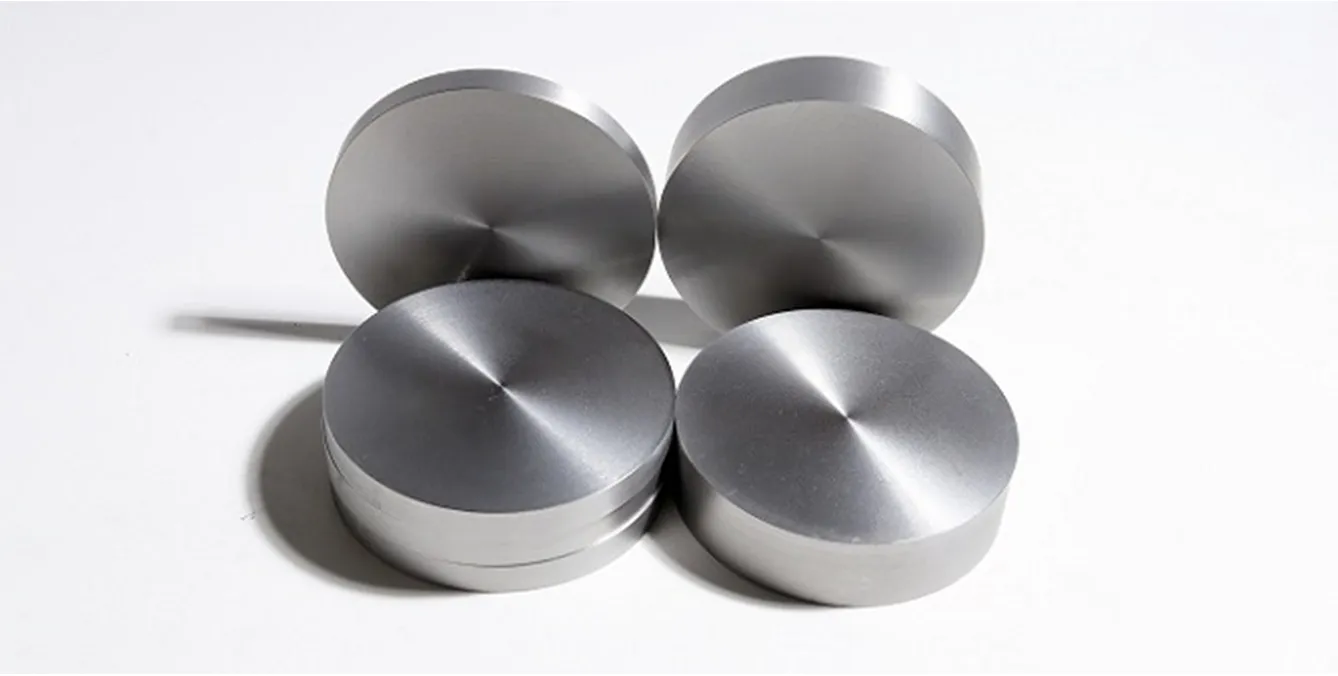
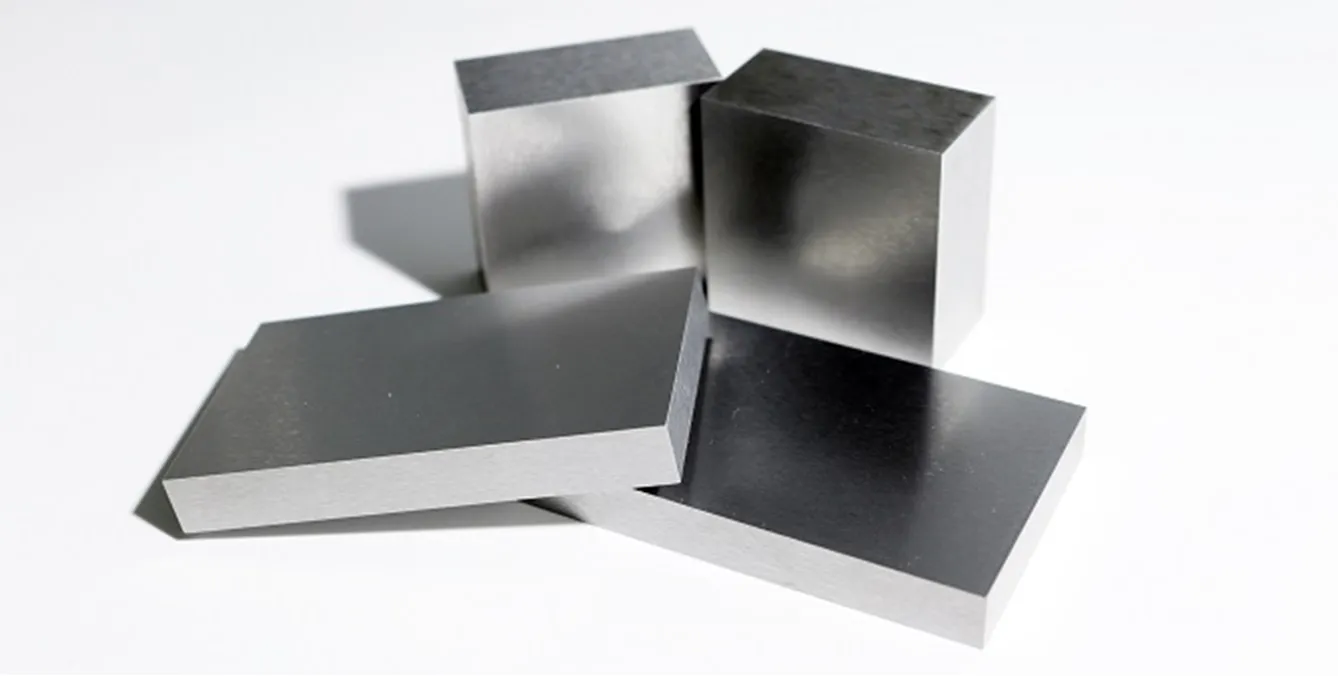
Introduction to Tantalum Targets
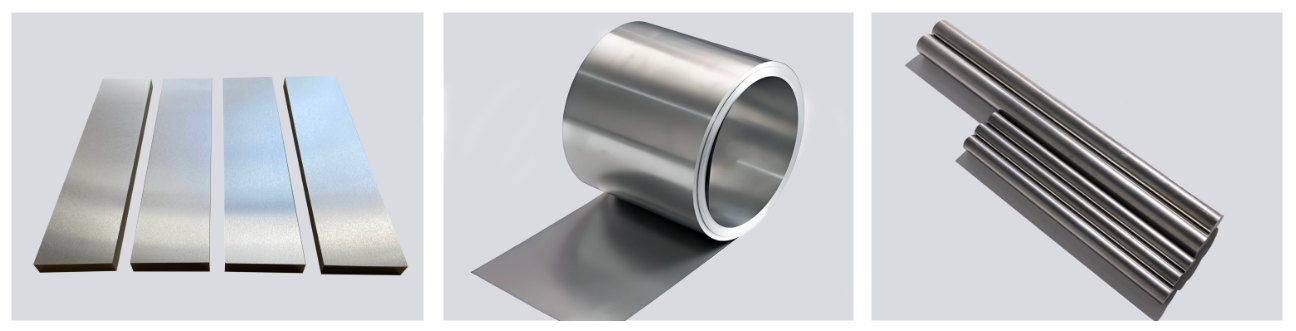
A tantalum target is a plate made of high-purity metallic tantalum (Ta) or tantalum alloy. Serving as the "target to be bombarded", it is bombarded by high-speed ions under the action of electric and magnetic fields during magnetron sputtering—a type of PVD (Physical Vapor Deposition) technology. This process sputters out tantalum atoms or ions from its surface, which then deposit onto the target substrate (such as silicon wafers, glass, metal workpieces, etc.), forming a thin and uniform tantalum film or tantalum-based film.
Thanks to its excellent properties, tantalum targets are indispensable core materials in fields such as semiconductors, high-end optics, decorative coatings, and wear-resistant coatings.
Types of target materials | Dimensional specifications | Thickness range | Notes |
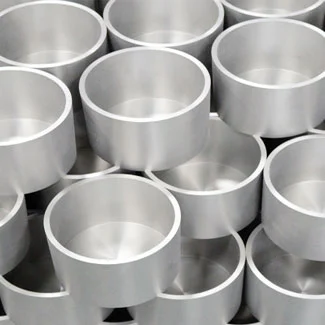
Circular tantalum target | Φ25-Φ400 | 3-28 | Accept customization |
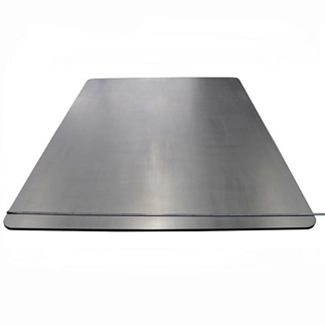
Square tantalum target | 10-600 | 1-12.7 | Accept customization |
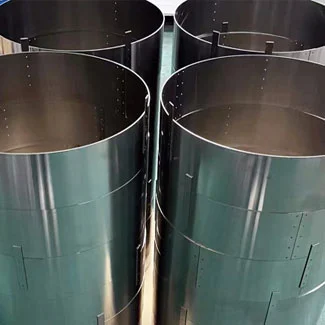
Large-sized tantalum target | >500 | >10 | Accept customization |
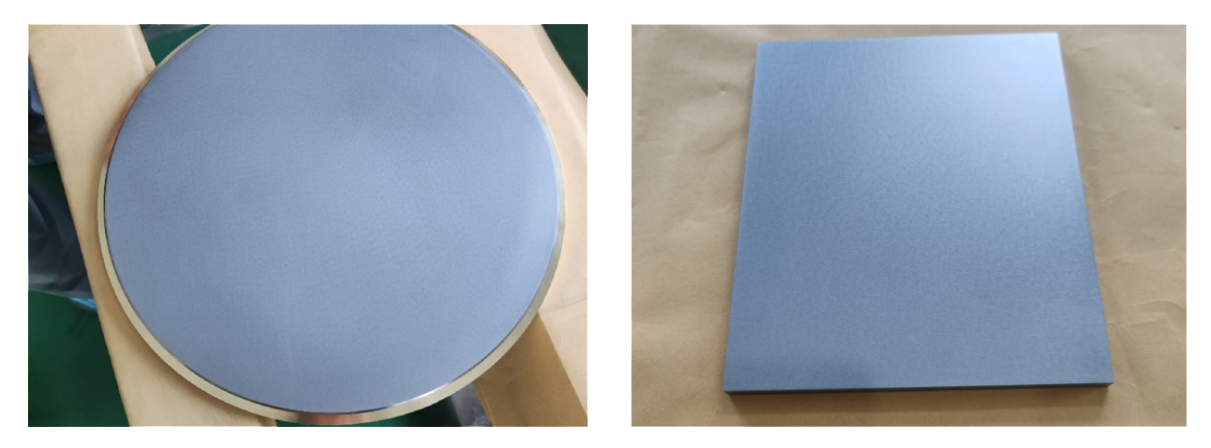
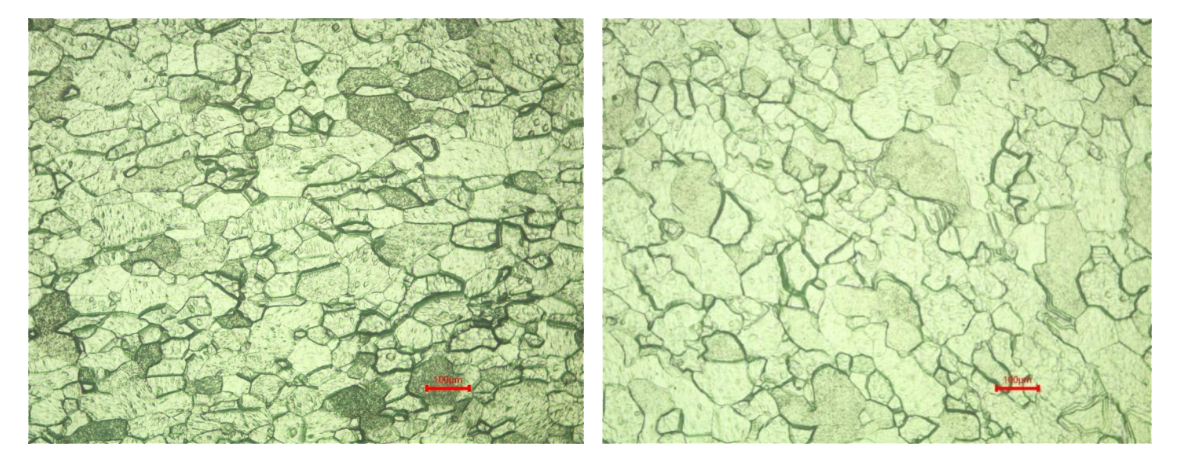
Grain Size of Tantalum Target Elements
Density: The theoretical density is 16.68 g/cm³, and the relative density is > 99.5%.
Surface Roughness: Ra < 3.2 μm
Grain Size: Average Grain Size < 100 μm
Elemental Content of Tantalum Targets
| Element | 4N5 Specification Value | 5N Specification Value | Unit |
| Gaseous Element | C | ≤10 | ≤10 | wtppm |
| S | ≤0.5 | ≤0.5 | wtppm |
| N | ≤10 | ≤10 | wtppm |
| H | ≤5 | ≤5 | wtppm |
| O | ≤50 | ≤10 | wtppm |
| Metallic Element | Al | ≤0.1 | ≤0.1 | wtppm |
| Ca | ≤0.5 | ≤0.5 | wtppm |
| Co | ≤0.1 | ≤0.1 | wtppm |
| Cr | ≤0.1 | ≤0.1 | wtppm |
| Cu | ≤0.5 | ≤0.5 | wtppm |
| Fe | ≤0.1 | ≤0.1 | wtppm |
| K | ≤0.05 | ≤0.05 | wtppm |
| Li | ≤0.05 | ≤0.05 | wtppm |
| Mg | ≤0.05 | ≤0.05 | wtppm |
| Mn | ≤0.05 | ≤0.05 | wtppm |
| Mo | ≤2 | ≤2 | wtppm |
| Ni | ≤0.1 | ≤0.1 | wtppm |
| Si | ≤0.5 | ≤0.5 | wtppm |
| Sn | ≤0.5 | ≤0.5 | wtppm |
| Th | ≤0.01 | ≤0.01 | wtppm |
| Ti | ≤0.1 | ≤0.1 | wtppm |
| U | ≤0.01 | ≤0.01 | wtppm |
| V | ≤0.1 | ≤0.1 | wtppm |
| B | ≤0.1 | ≤0.1 | wtppm |
| W | ≤1 | ≤1 | wtppm |
| P | ≤0.1 | ≤0.1 | wtppm |
| Zn | ≤0.1 | ≤0.1 | wtppm |
| Total | <50.00 | <10.00 | wtppm |
Tantalum Target Processing Process
Process Step | Specific Process |
Raw Material | We select high-purity tantalum metal (typically ≥99.95%) as the starting material. Just as high-quality flour is essential for baking, high-purity tantalum ingots are the primary guarantee for producing high-performance tantalum targets, directly controlling impurity content from the source. |
Melting | In a high-vacuum environment, tantalum ingots are melted by high-temperature bombardment with an electron beam. This process can effectively vaporize and remove volatile impurities from the metal, while making the composition more uniform, resulting in the casting of purer and denser tantalum ingots. |
Forging | At high temperatures, we repeatedly forge the tantalum ingots under immense pressure. This process breaks down the coarse grains, making them fine and uniform, thereby significantly improving the density, strength, and toughness of the tantalum targets. |
Machining | Lathes, milling machines, and other equipment are used to initially process the forged tantalum blanks into shapes and dimensions close to the final product, while removing the surface oxide layer and leaving an appropriate allowance for subsequent finish machining. |
Bind | The processed tantalum target blank is welded to a copper (or aluminum) backing plate with excellent thermal conductivity under high temperature and high pressure. The copper backing plate acts like a "heat sink," which can quickly conduct away the heat generated during sputtering, preventing the target from cracking or failing due to overheating and ensuring the continuous stability of the production process. |
Finish machining | The final forming process is carried out on high-precision CNC machine tools. This step ensures that the tantalum target’s dimensions, flatness, roughness, and other parameters fully meet your technical requirements and that it can be perfectly matched and installed with the sputtering equipment. |
Sandblasting | Fine abrasives are used to uniformly impact the target surface. The purpose is to remove processing marks, oxide discoloration, and minor scratches from the previous process, resulting in a uniform, contamination-free matte surface. |
Cleaning and packaging | This is the final step before delivery. After multiple rounds of strict ultrasonic cleaning and drying, the tantalum targets are sealed and packaged in specialized moisture-proof, anti-static vacuum bags in an ultra-clean environment. This ensures they remain free from any contamination during transportation and storage. |
 English