



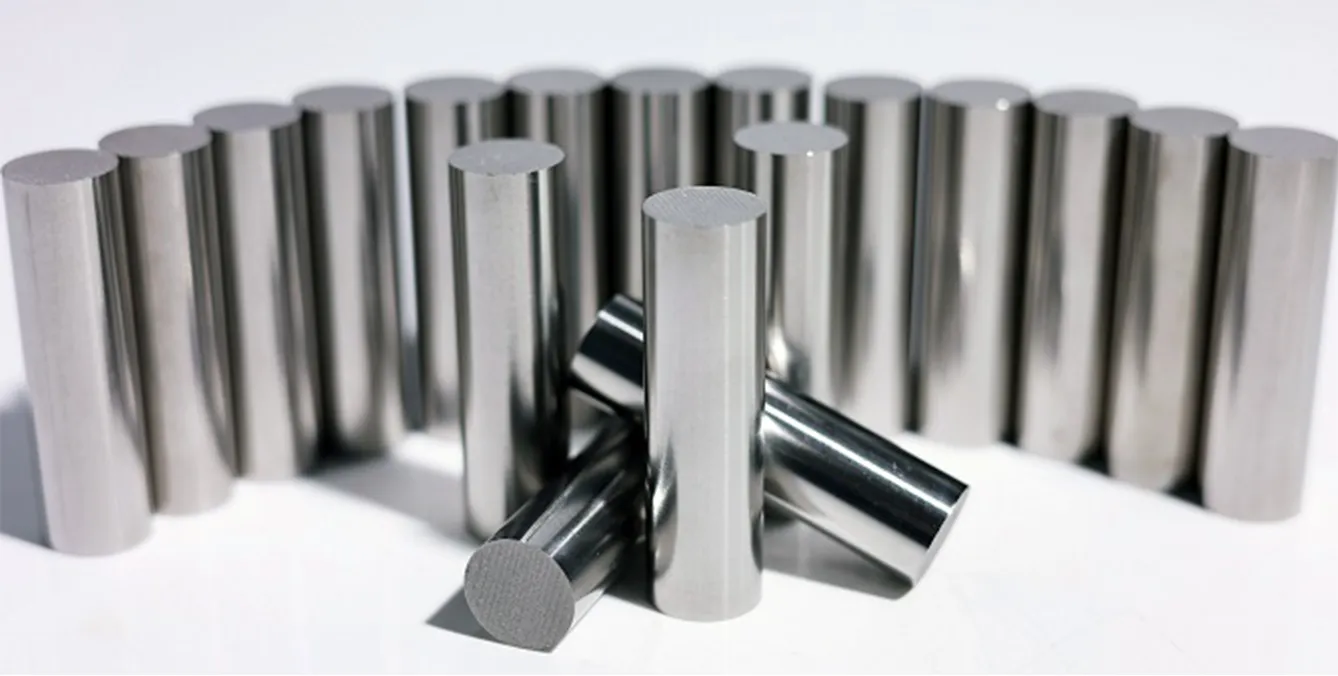
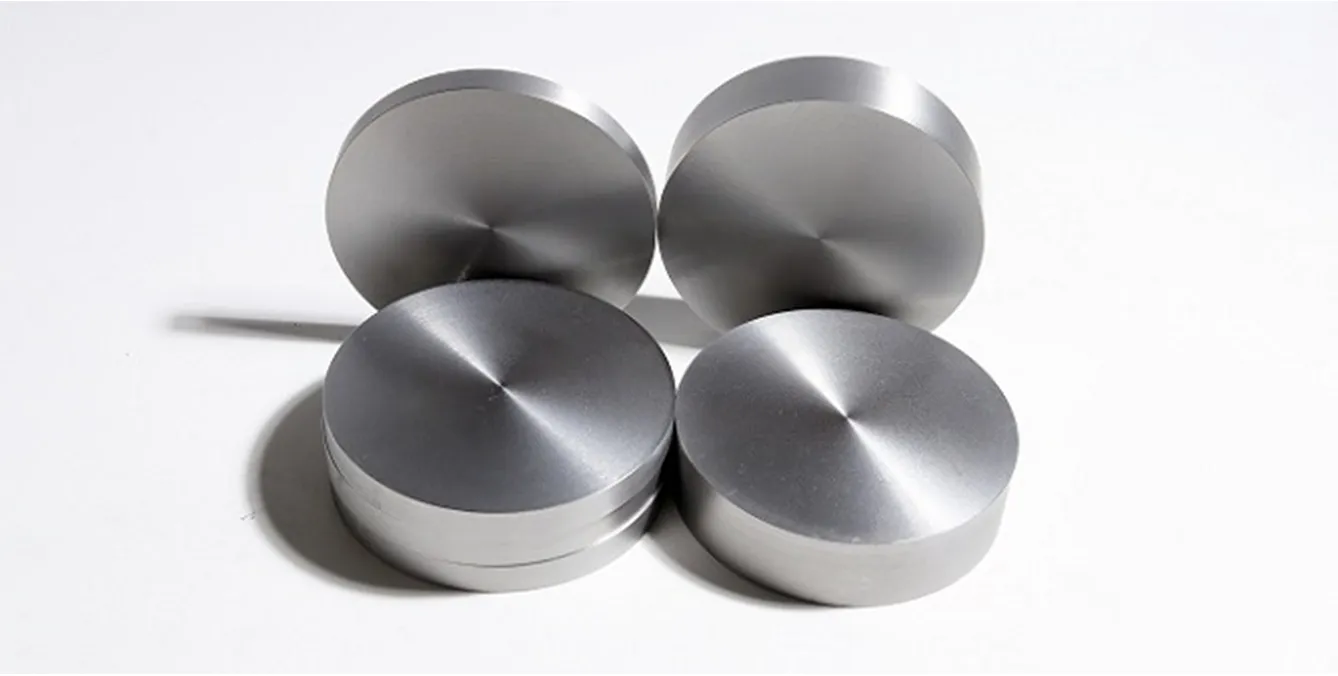
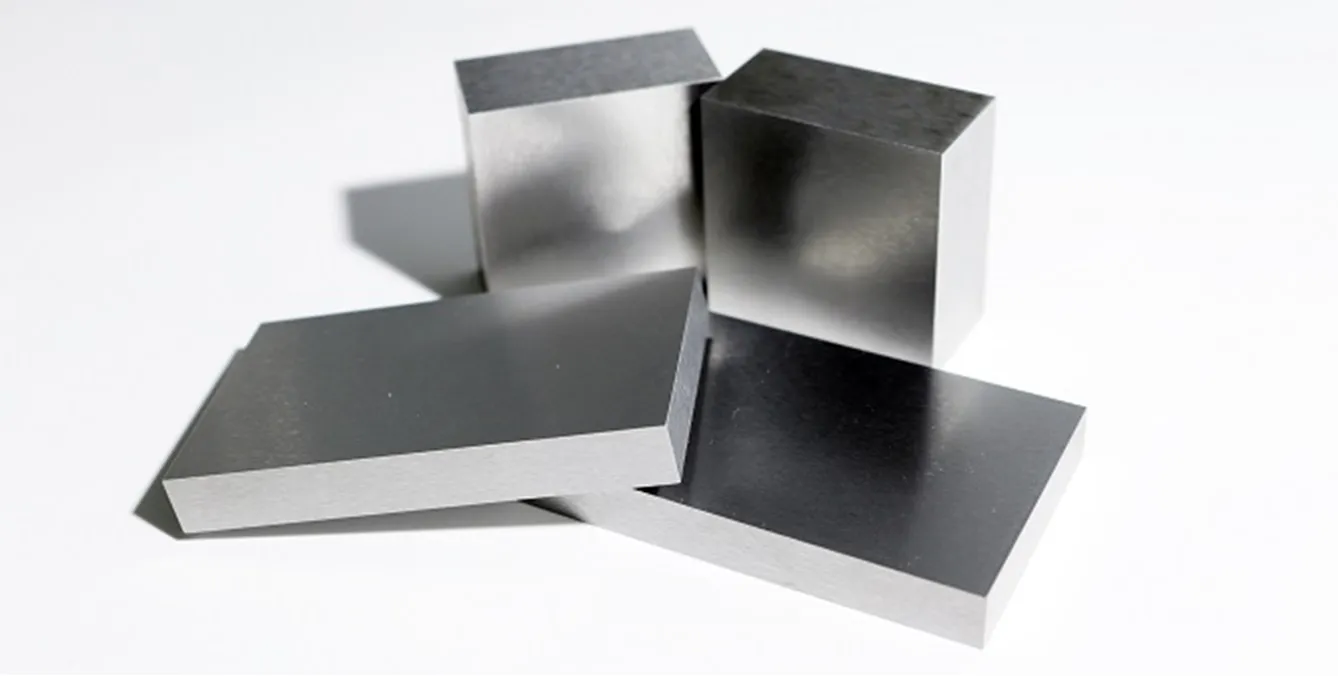
| Atomic Number | 41 | - |
| Atomic Mass | Value/Description | - |
| Crystal Structure | Body-Centered Cubic | Maintains this structure from low temperatures to its melting point, which is one of the reasons for its excellent ductility. |
| Density | 8.57 g/cm³ | Moderate density, which is conducive to lightweight design. |
| Melting Point | 2468 °C | Extremely high melting point, making it a typical refractory metal (melting point above 2200°C), and is suitable for high-temperature applications. |
| Thermal conductivity | 53.7 W/(m·K) (at 300K) | Good thermal conductivity, which is beneficial for heat dissipation in high-temperature environments. |
| Coefficient of thermal expansion | 7.3 × 10⁻⁶ /K (at 25°C) | Low coefficient of thermal expansion, which means minimal dimensional change when heated and excellent thermal stability. |
| Superconducting Transition Temperature | 53.7 W/(m·K) (at 300K) | Highest critical temperature among elements, making it the foundation of the most important practical superconducting materials. |
Properties of Niobium | Application Specifics |
Superconductivity | MRI Magnets, Particle Accelerators, NMR Spectrometers, Nuclear Fusion Devices |
High Melting Point & High-Temperature Strength | Jet Engine Blades, Gas Turbines, Aerospace Vehicle Components |
Excellent Corrosion Resistance | Chemical Equipment, Electrolytic Capacitors, Medical Implants |
Biocompatibility | Orthopedic/Dental Implants, Surgical Instruments, Hypoallergenic Jewelry |
Elastic Modulus | 80 - 105 GPa | Relatively low among refractory metals, which means lower rigidity but greater tendency to undergo elastic deformation. |
Yield Strength | 80 - 150 MPa Annealed State | Medium density, which is conducive to lightweight design. |
Tensile Strength | 150 - 300 MPa Annealed State | The higher the purity, the lower the strength. Interstitial impurities (O, N, C) significantly increase the yield strength. |
Elongation at Break | 20% - 50% Annealed State | Extremely high, indicating excellent ductility and toughness, which makes it easy to cold work. |
Hardness | 60 - 90 HV Annealed State | Relatively soft. Its hardness can be significantly increased to > 200 HV through cold working or alloying. |

| Content | Ta | Fe | Si | W | Mo | Ti | Ni | C | O | N | H |
| Standard Value | 500 | 30 | 30 | 70 | 50 | 50 | 30 | 10 | 10 | 10 | 2 |
| Item | Mechanical Properties | |||
| Tensile Strength (N/mm2) | Yield Strength (N/mm2)0.2% | Elongation(AL30) % | Hardness (HV10) | |
| Standard Value | >140 | 50-100 | >30 | ≤60 |
| Acceptance Indicators | Acceptance Content | Acceptance Methods |
| Thickness Tolerance | ±0.1mm | Vernier Caliper |
| Length and Width Tolerances | +1.5mm,-0mm | Steel Ruler and Vernier Caliper |
| Surface Flatness | <1mm | Supplier Quality Assurance Certificate |
| Surface Roughness | Ra<1.6μm | Roughness Tester |
| Surface Roughness | Rz<15μm | Roughness Tester |
| Chemical Composition of High-Purity Niobium Plates | See Table 1 | Supplier Quality Assurance Certificate |
| Tensile Strength | >140 MPa | Supplier Quality Assurance Certificate |
| Yield Strength | 50-100 MPa | Supplier Quality Assurance Certificate |
| Elongation | >30% | Supplier Quality Assurance Certificate |
| Hardness | HV10≤60 | Supplier Quality Assurance Certificate |
| Average Grain Size of Ordinary High-Purity Fine-Grained Niobium Materials | ~5 | Supplier Quality Assurance Certificate |
| Grain Size Range of Ordinary High-Purity Fine-Grained Niobium Materials | 5±1 Level | Supplier Quality Assurance Certificate |
| RRR Value | >300 | Supplier Quality Assurance Certificate |