
Xi'an Gemei Metal Material Co., Ltd.

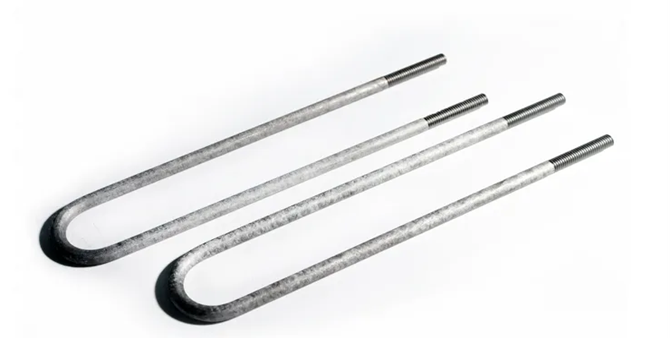
An evaporation coil, also known as an evaporator coil, is a crucial component in refrigeration systems. Essentially a heat exchanger, its core function is to absorb heat, thereby achieving a refrigeration or freezing effect. In some extremely special high-end or extreme operating conditions where traditional materials fail to meet requirements, the advantages of tungsten and molybdenum become evident.

Evaporation Coil Advantages

  • Extremely High Melting Point

    Tungsten (W): 3422°C (the highest among all metals)

    Molybdenum (Mo): 2623°C

    Application Scenarios: This is the core advantage. When evaporation coils need to operate in extremely high-temperature environments, or when the refrigerant itself is an ultra-high-temperature medium (e.g., in certain concentrated solar power systems, deep geothermal development, or systems used to cool ultra-high-temperature fluids in special chemical processes), copper (1083°C) and aluminum (660°C) will melt, while tungsten and molybdenum can maintain structural integrity.

  • High-Temperature Strength and Creep Resistance

    At high temperatures, copper and aluminum soften drastically and their strength becomes extremely low. However, tungsten and molybdenum can still retain high strength and the ability to resist deformation (creep resistance) even at temperatures of 1000°C or higher. This is crucial for the safety of high-pressure systems.

  • Low Thermal Expansion Coefficient

    The thermal expansion coefficients of tungsten and molybdenum are much smaller than those of copper and aluminum. This means that when subjected to drastic temperature changes, their dimensional changes are minimal, which can reduce thermal stress and improve the reliability and service life of the system.

  • Excellent Corrosion Resistance

    Molybdenum, in particular, is renowned for its outstanding ability to resist corrosion by various acids, molten metals, and glass. If the refrigeration process involves extremely corrosive chemicals or media (e.g., in certain specialized chemical or metallurgical industries), molybdenum evaporation coils may be a viable option.


Evaporation Coil Application Scenarios

Using tungsten or molybdenum to manufacture evaporation coils is a choice for extremely specialized and exceptional applications. Potential application scenarios include:

  • Aerospace and Hypersonic Vehicles: Used to cool equipment or structures under extreme aerodynamic heating, requiring materials that can still operate at ultra-high temperatures.

  • Nuclear Fusion Experimental Devices (e.g., Tokamaks): The cooling systems for first-wall components or divertors may need to withstand extremely high thermal loads and particle bombardment. Tungsten, due to its high melting point and low sputtering rate, is used as a plasma-facing material, and the internal cooling channels may involve extreme operating conditions.

  • Specialized Chemical and Metallurgical Industries: Process links that require handling high-temperature, high-pressure, and highly corrosive media.

  • Cutting-Edge Scientific Research: Certain scientific experimental devices that require refrigeration in high-temperature environments.

Get In Touch With Us
For Any Interested Tungsten and Molybdenum Solutions
  • 2026 New Factory Construction Plan
    2026-01-12
    2026 New Factory Construction Plan
    The new factory purchased 42 mu of land on January 1st, 2025. Currently, the factory buildings are under construction and will be officially put into production in March 2026. It will construct factor...
  • Introduction to molybdenum-rhenium Materials
    2024-08-01
    Introduction to molybdenum-rhenium Materials
    Gemei's molybdenum-rhenium materials are high-end alloy materials with high-temperature stability, excellent corrosion resistance and high strength. Inheriting the high melting point advantages of...
  • Introduction to MHC Materials
    2024-08-01
    Introduction to MHC Materials
    1. Performance Description1.1 Outstanding high-temperature mechanical properties: MHC materials (a type of high-performance metal matrix composite) maintain excellent tensile strength, creep resistanc...
  • Introduction to Gemei's TZM Alloy Materials
    2024-08-01
    Introduction to Gemei's TZM Alloy Materials
    1. Performance Description1.1 Excellent high-temperature mechanical properties: TZM alloy (titanium-zirconium-molybdenum alloy) maintains high tensile strength and hardness in high-temperature environ...
We use cookies to offer you a better browsing experience, analyze site traffic and personalize content. Part of the tracking is necessary to ensure SEO effectiveness,
By using this site, you agree to our use of cookies. Visit our cookie policy to learn more.
Reject Accept