| Property | Specific Data and Standard Conditions | Notes and Comparison |
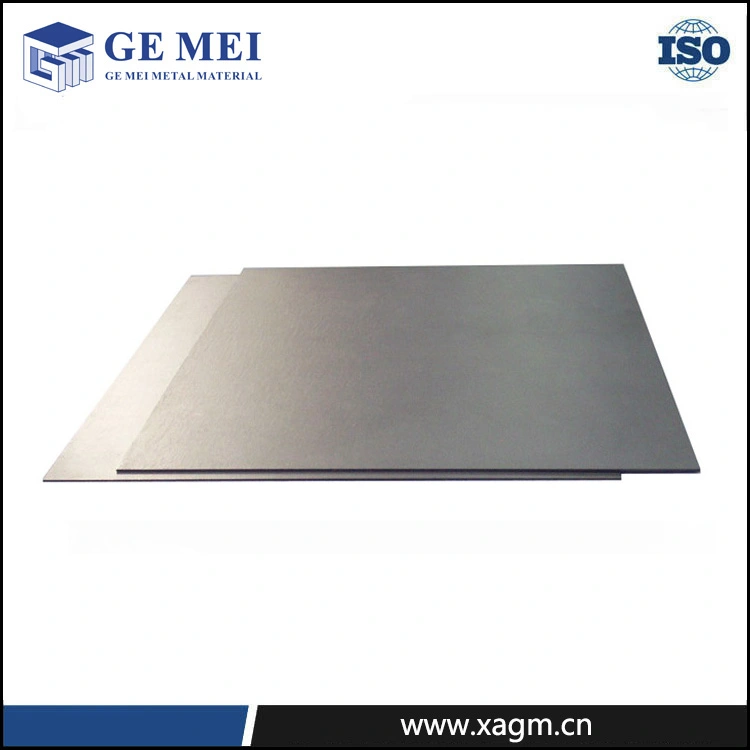
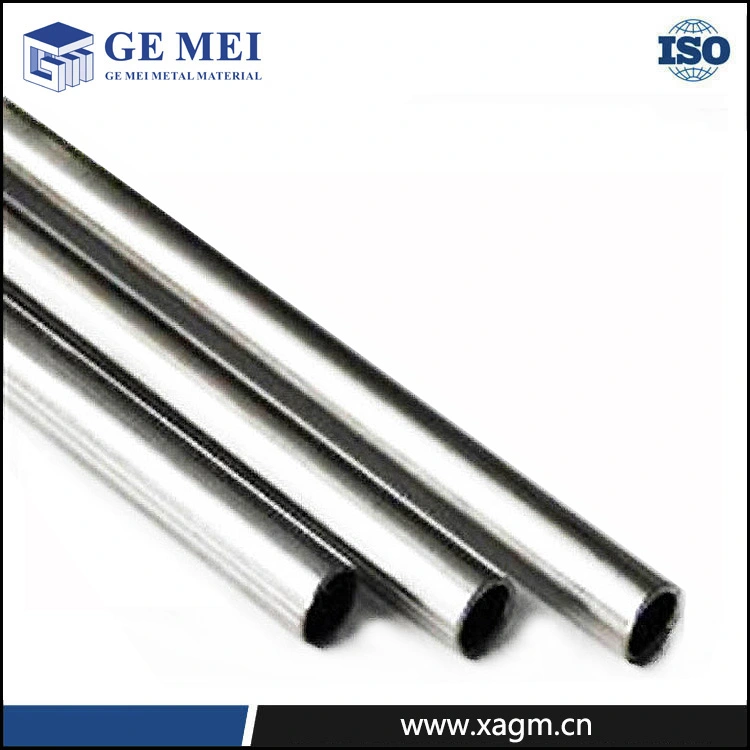
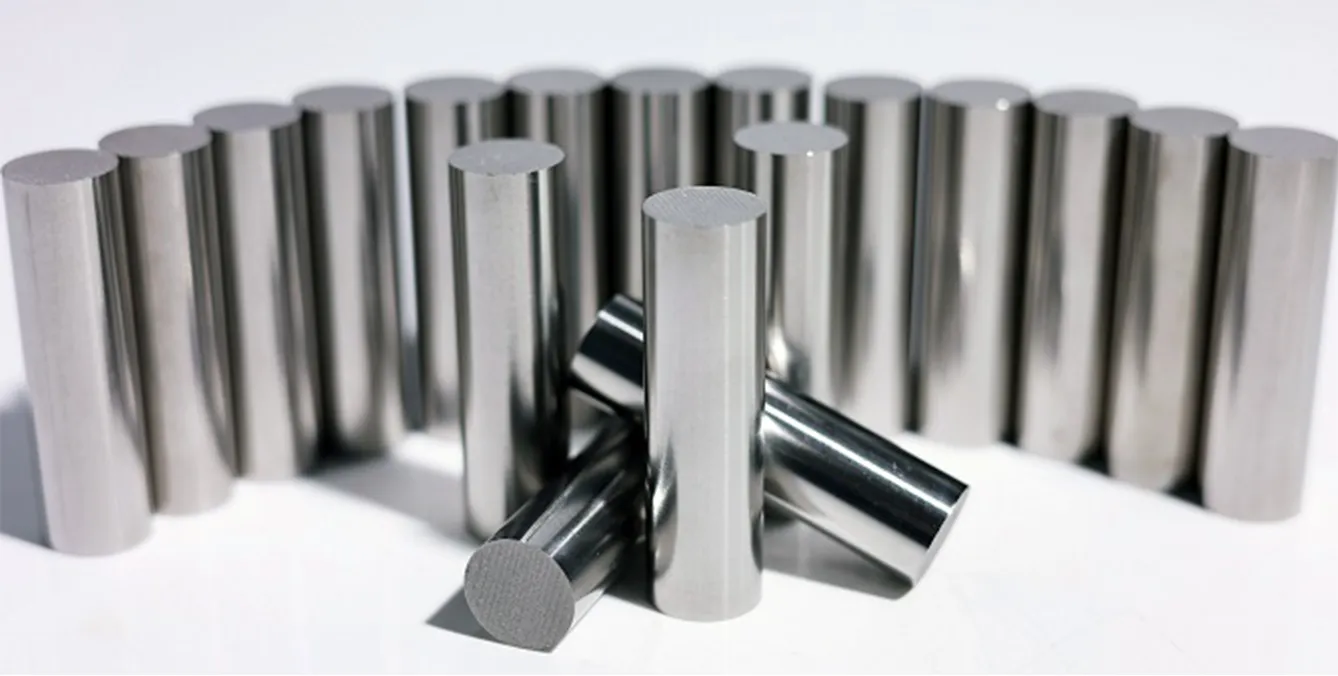
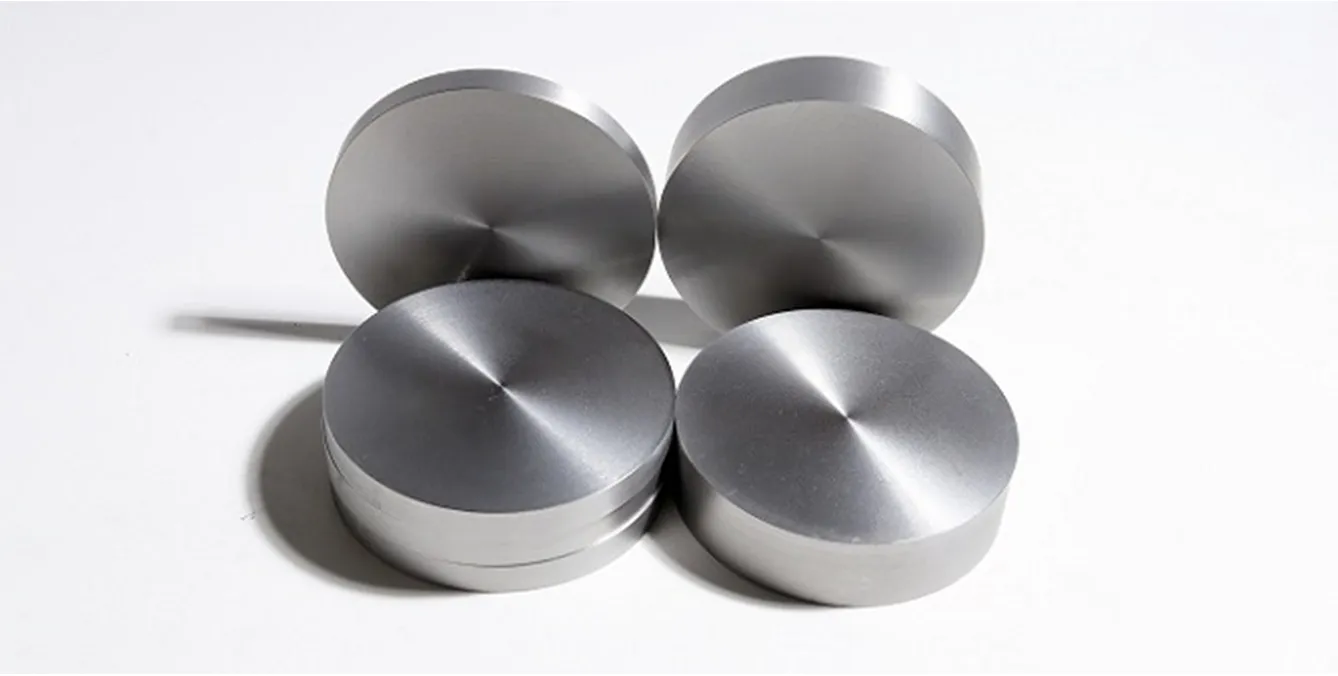
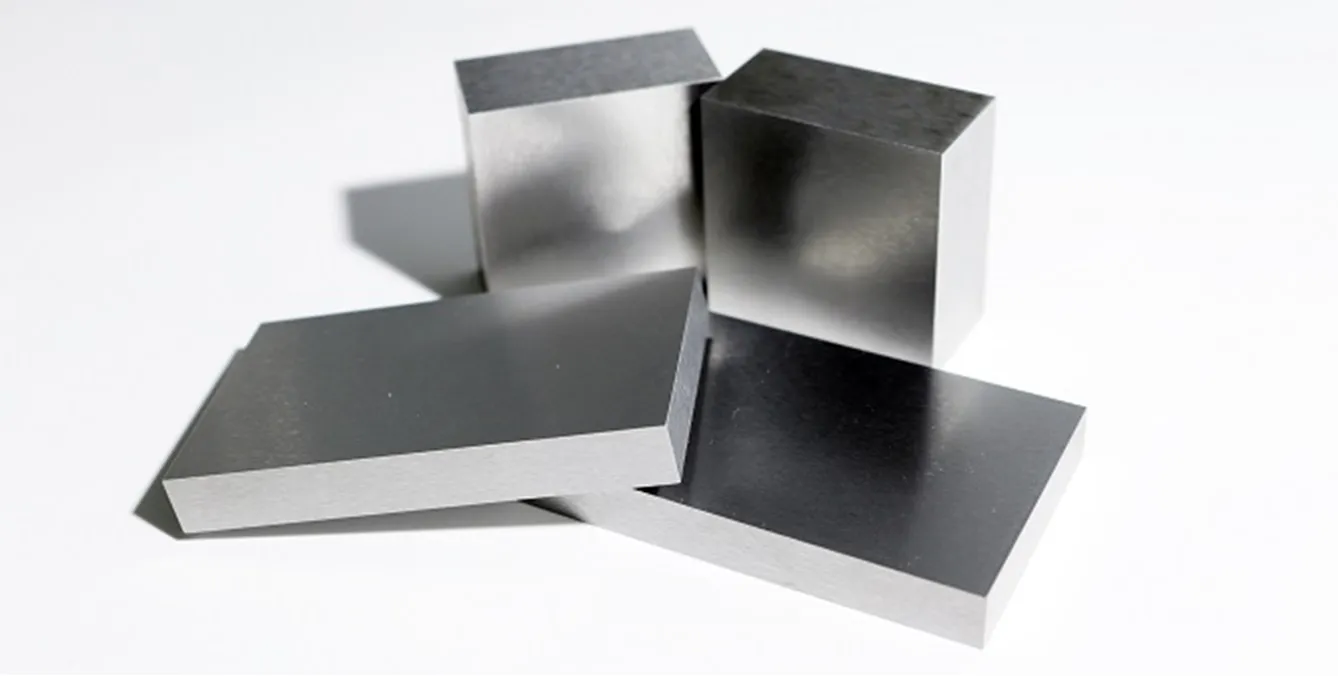
| Appearance | A steel-gray to tin-white metal with a metallic luster | Pure tungsten becomes very bright after polishing |
| Density | 19.25 g/cm³ (20°C) | Comparable to gold (19.32 g/cm³) and 2.4 times that of iron (7.87 g/cm³). |
| Melting Point | 3410°C (6170°F) | The highest among all metallic elements |
| Boiling Point | 5660°C (10220°F) | - |
| Mohs Hardness | 7.5 | Annealed state. For comparison: quartz is 7, topaz is 8 |
| Vickers Hardness | 300-400 HV | Sintered state. Tungsten carbide (WC) can reach 2000-2500 HV |
| Resistivity | 5.4 μΩ·cm (20°C) | Approximately 3 times that of copper (1.7 μΩ·cm) and lower than that of iron (9.7 μΩ·cm) |
| Thermal conductivity | 173 W/(m·K) (20°C) | Approximately 43% that of copper (401 W/(m·K)), but much higher than that of stainless steel (~16 W/(m·K)). |
| Coefficient of thermal expansion | 4.5 × 10⁻⁶ /K (20°C) | One of the lowest among all metals, approximately 1/3 that of iron (11.8 × 10⁻⁶ /K). |
| Electron work function | ~4.55 eV | Relatively low, making it suitable as a thermionic emission material. |
Through advanced processing technologies, we ensure that the tungsten materials we provide have ultra-high purity that far exceeds industry standards. This means fewer impurities and a more stable grain boundary structure, thereby endowing the products with unparalleled high-temperature stability, excellent corrosion resistance, and highly predictable electrical properties—making them perform exceptionally well in fields with strict requirements for material purity, such as semiconductors and high-end electric vacuum devices.
We precisely control the material's microstructure to ensure that the density of each batch of tungsten products is close to the theoretical limit. This extreme high density and uniformity bring excellent moment of inertia, strong radiation shielding capability, and irreplaceable heavy texture to your end products. Whether it is used in the counterweight of precision instruments, aerospace components, or high-penetration ammunition, it can ensure the accuracy and reliability of performance.
This is the cornerstone of our commitment. From the first batch to every subsequent one, we guarantee that our products maintain a high level of consistency in chemical composition, physical properties, and microstructure. This exceptional batch stability greatly reduces the risks of process adjustment and quality fluctuations for you during production and manufacturing. It ensures a smooth and efficient process for you from R&D to mass production, serving as a reliable guarantee for achieving outstanding product quality.
Tungsten, known as the "Cornerstone of the Industrial World" and the "King of High-Melting-Point Metals", derives its value from a series of extreme and outstanding physical and chemical properties. In terms of characteristics, the most striking feature of tungsten is its extremely high melting point of 3410°C, which ranks first among all metals, ensuring it maintains its shape and strength even in ultra-high-temperature environments. At the same time, it has a high density of 19.25 g/cm³, comparable to that of gold, endowing it with unparalleled weight and penetration. In addition, tungsten has extremely high hardness; although it is relatively brittle in its pure state, the hardness of its carbides (such as WC) is close to that of diamond. It also possesses excellent thermal stability and chemical stability, being resistant to corrosion by various acids and alkalis at room temperature, and has an extremely low thermal expansion coefficient, meaning its size changes minimally with temperature.
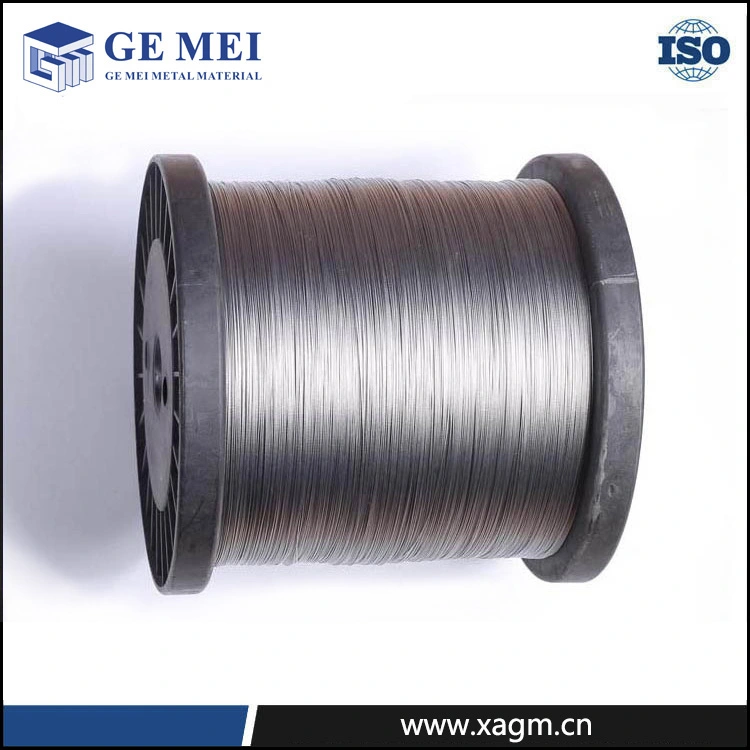
It is precisely these unique properties that give rise to tungsten's irreplaceable applications in various cutting-edge fields. Leveraging its high melting point and excellent electron emission capability, tungsten has become a foundational material for incandescent lamp filaments, vacuum tube electrodes, and welding electrodes. Its remarkable density and strength are directly translated into the kinetic energy of armor-piercing projectiles and the shielding capacity of protective systems, leading to its wide use in military and aerospace sectors. In the form of tungsten carbide, tungsten transforms into the "teeth" of modern industry, serving as a core material for manufacturing high-speed cutting tools, drilling bits, and wear-resistant components. Finally, its outstanding corrosion resistance also makes it a key component for handling corrosive media in the chemical industry.
By virtue of the perfect combination of its high melting point, high density, high hardness, and high stability, tungsten has successfully transformed from a simple metallic element into a strategic metal that underpins the development of modern high-tech industry, national defense, and cutting-edge science and technology, with an unshakable status.