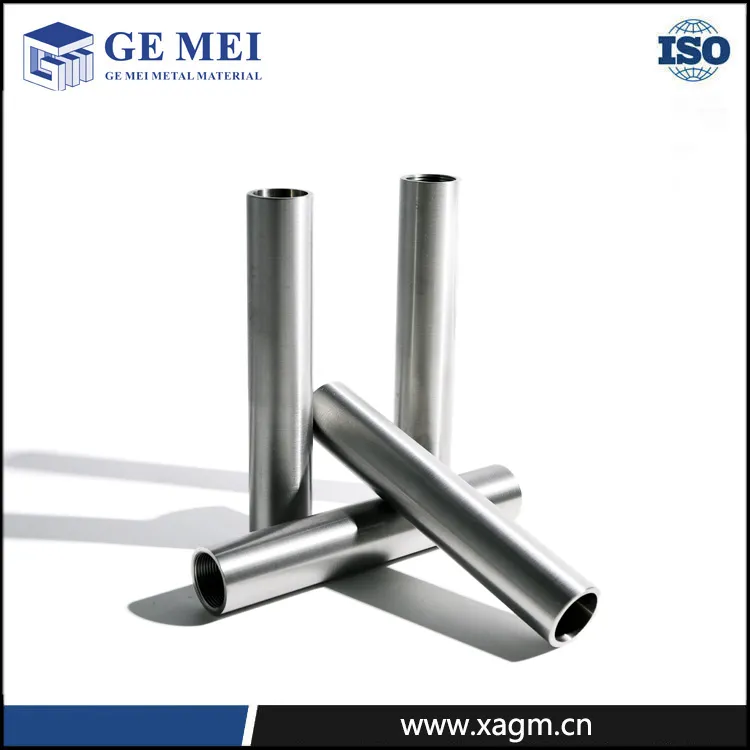
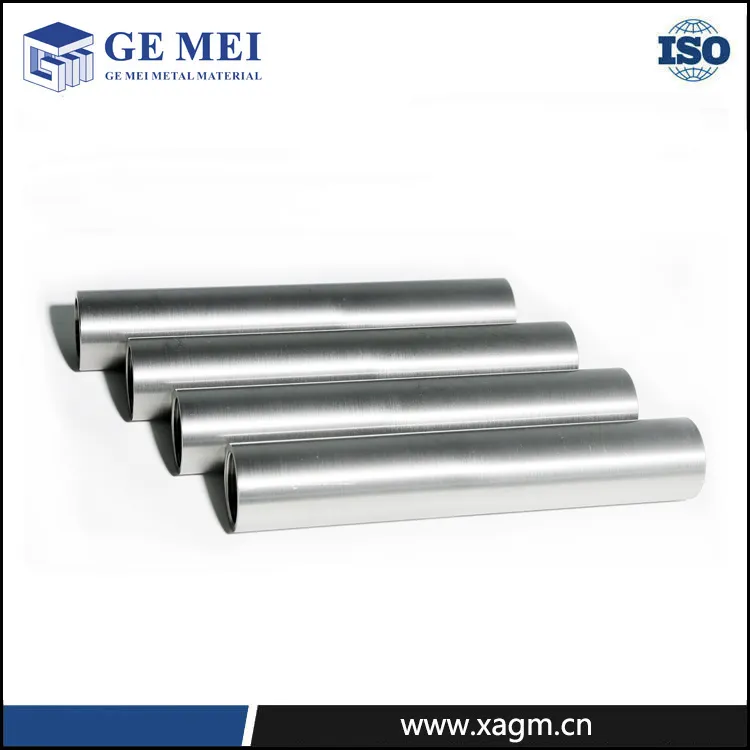
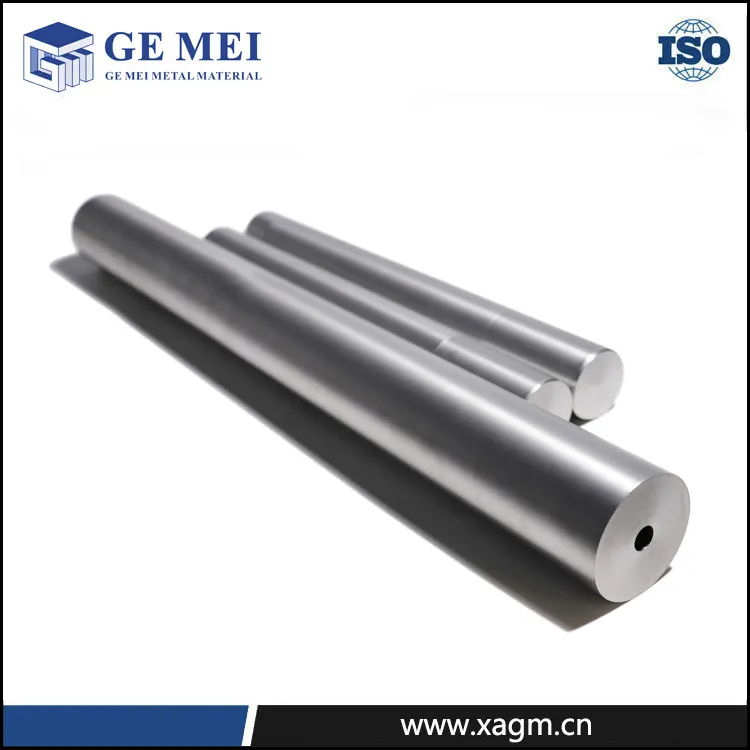
Tungsten Tubes for High-temperature Furnaces
Heating Elements: Directly heated by electricity in high-temperature furnaces under vacuum or hydrogen protection, with an operating temperature up to 3000°C.
Furnace Tubes/Heat Shields: Serve as high-temperature reaction chambers to protect peripheral components.
Sintering Boats/Crucibles: Used in sapphire single crystal growth, silicon carbide sintering, and high-temperature heat treatment.
Application Fields: Semiconductor, photovoltaic, laser crystal, and ultra-high-temperature material preparation.
Tungsten Tubes for Radiation Shielding and Collimation
Collimators: In medical CT, PET-CT, and linear accelerators, tungsten tube arrays are used to precisely define the shape and direction of radiation beams, improving imaging quality.
Shielding Sleeves: Protect sensitive components in nuclear facilities or detection equipment.
Features: Usually designed with high precision, thin wall,s and porous array structures.
Tungsten Tubes for Corrosion-resistant Component
Liquid Metal Containers/Delivery Tubes: Used for smelting, purificatio,n and transportation of low-melting-point metals such as zinc, tin, and bismuth.
Electrochemical Electrode Sleeves: Operate in highly corrosive electrolytes.
Tungsten Tubes for Military and Aerospace Applications
Rocket Nozzle Liners: Withstand scouring by high-temperature and high-velocity combustion gases.
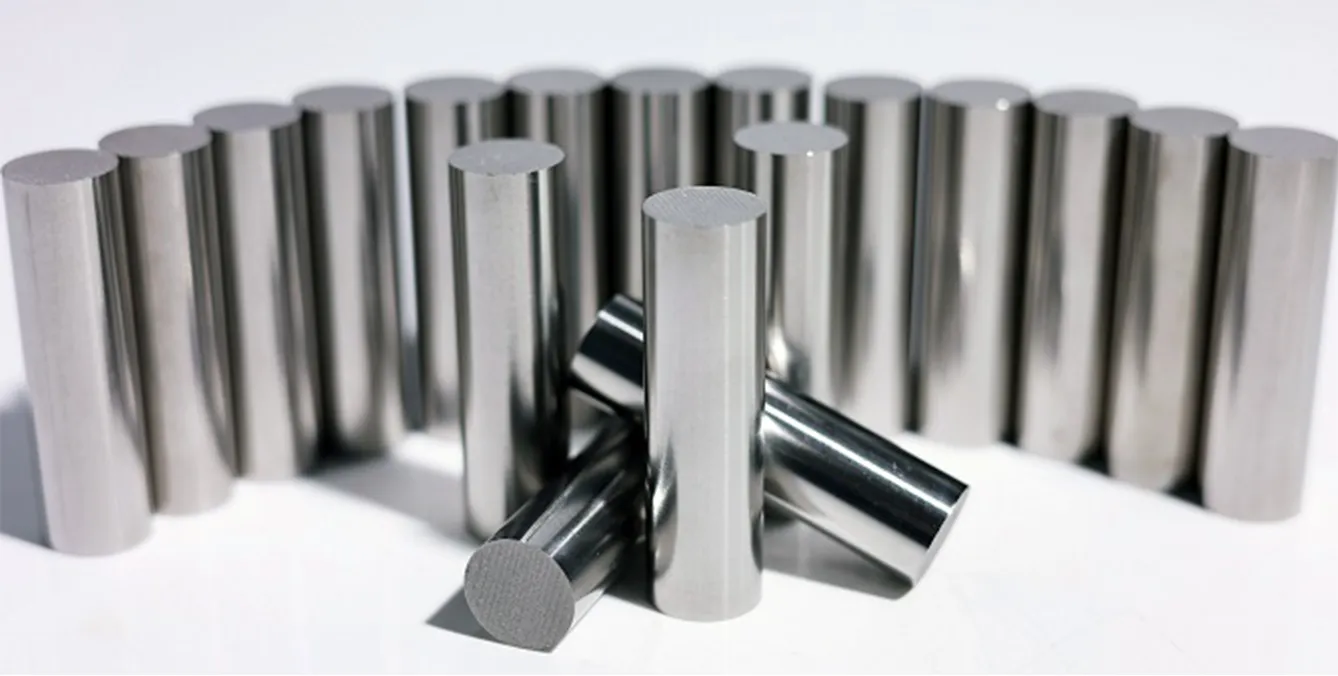
Armor-piercing Projectile Core Material: Taking advantage of its high-density characteristic, but it is usually in the form of solid rods, and tubular versions are relatively rare.
Tungsten Tubes for Heat Sinks and Thermal Management
 English