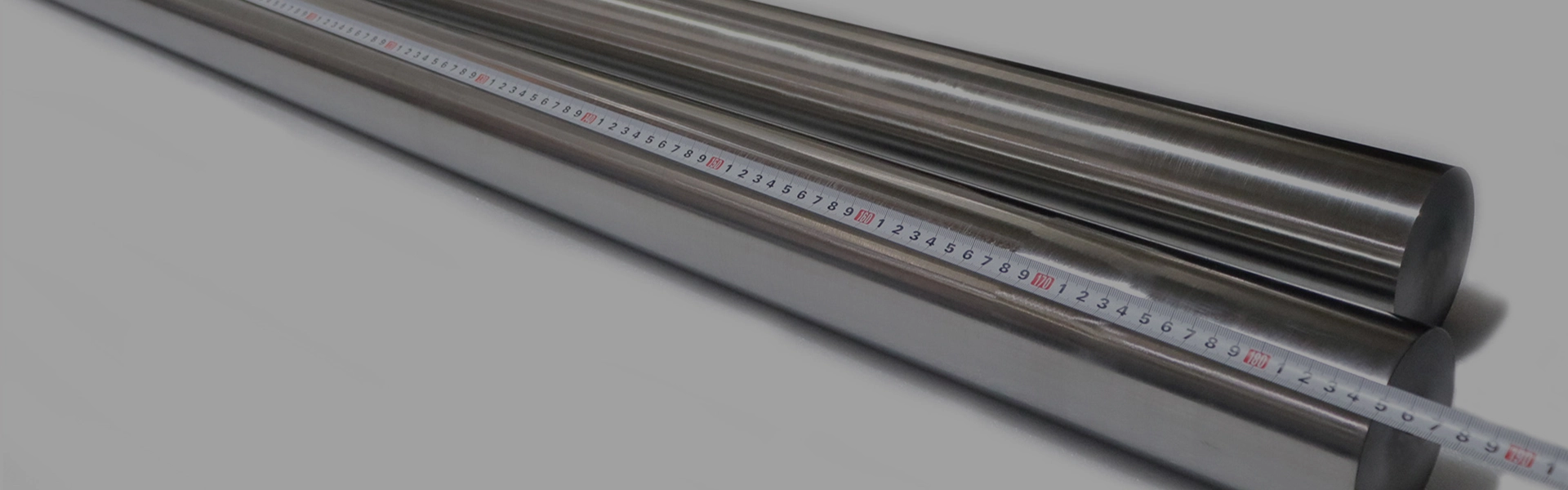
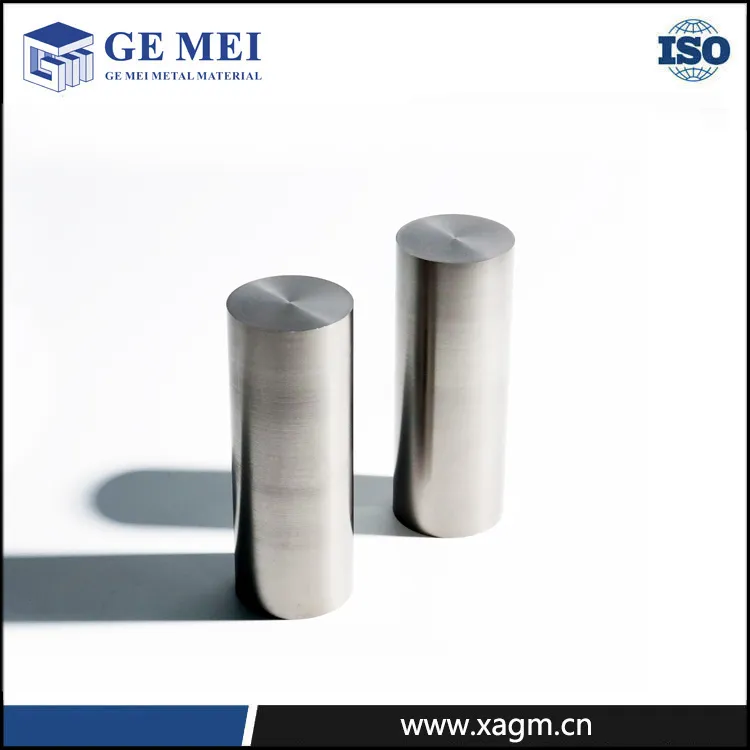
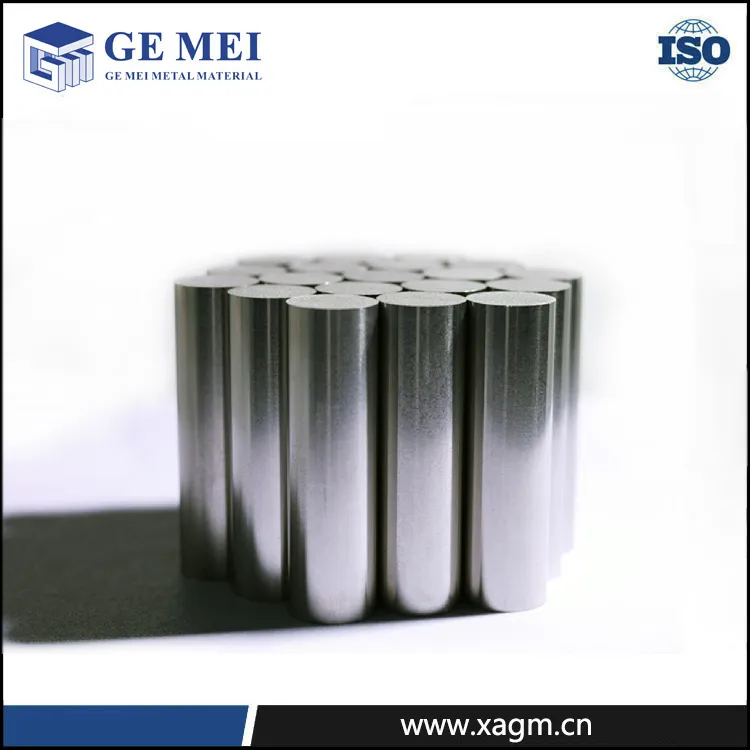
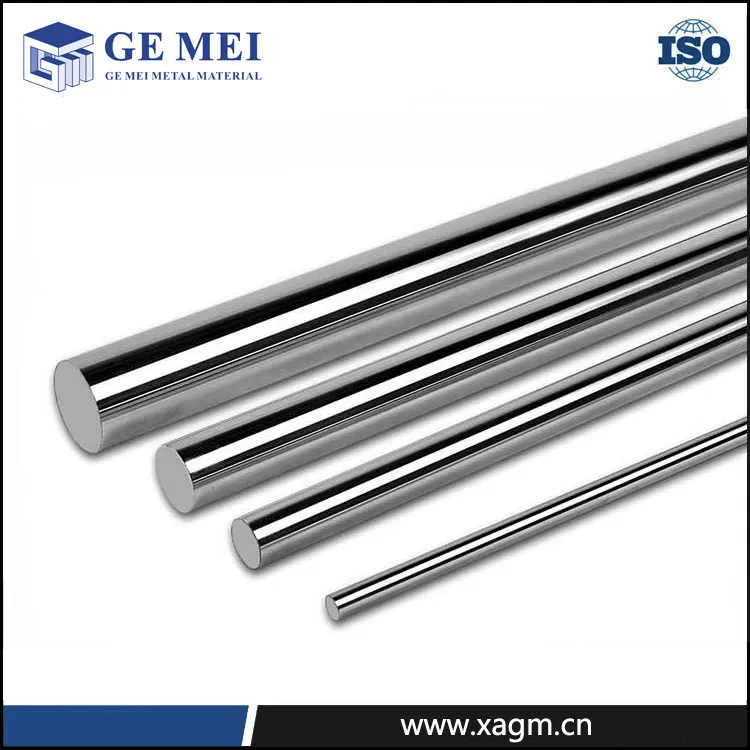
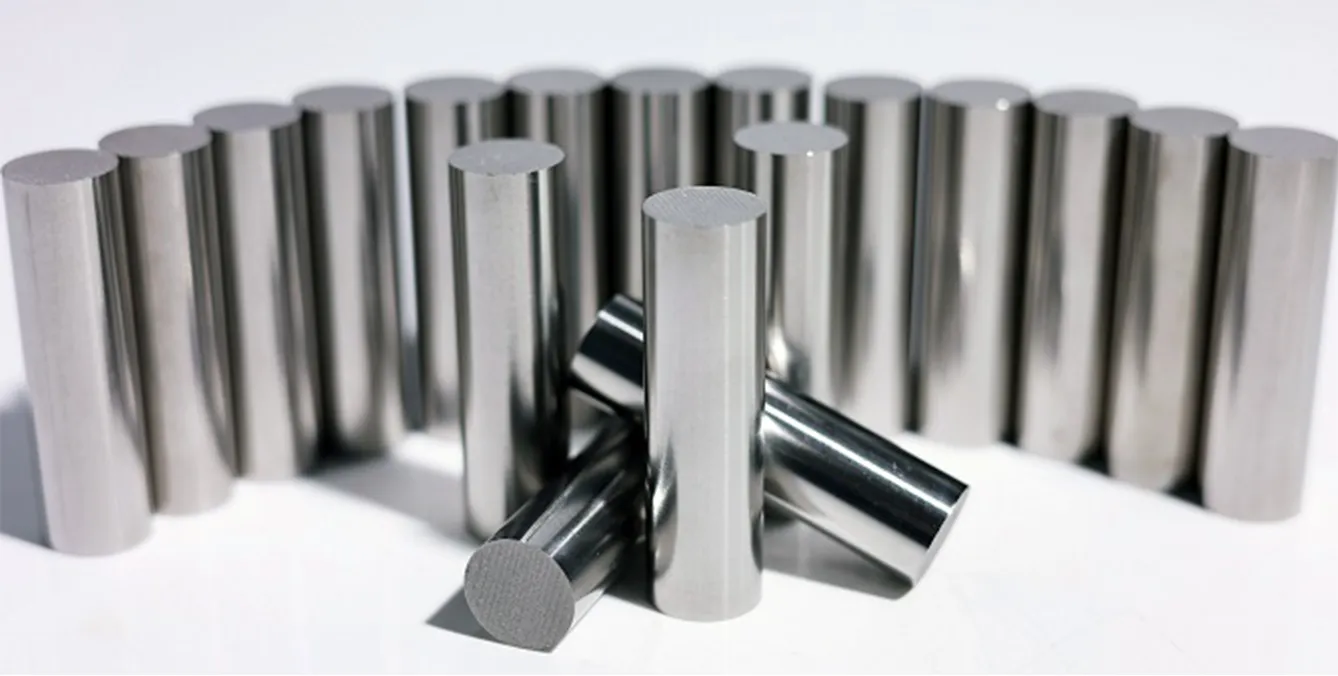
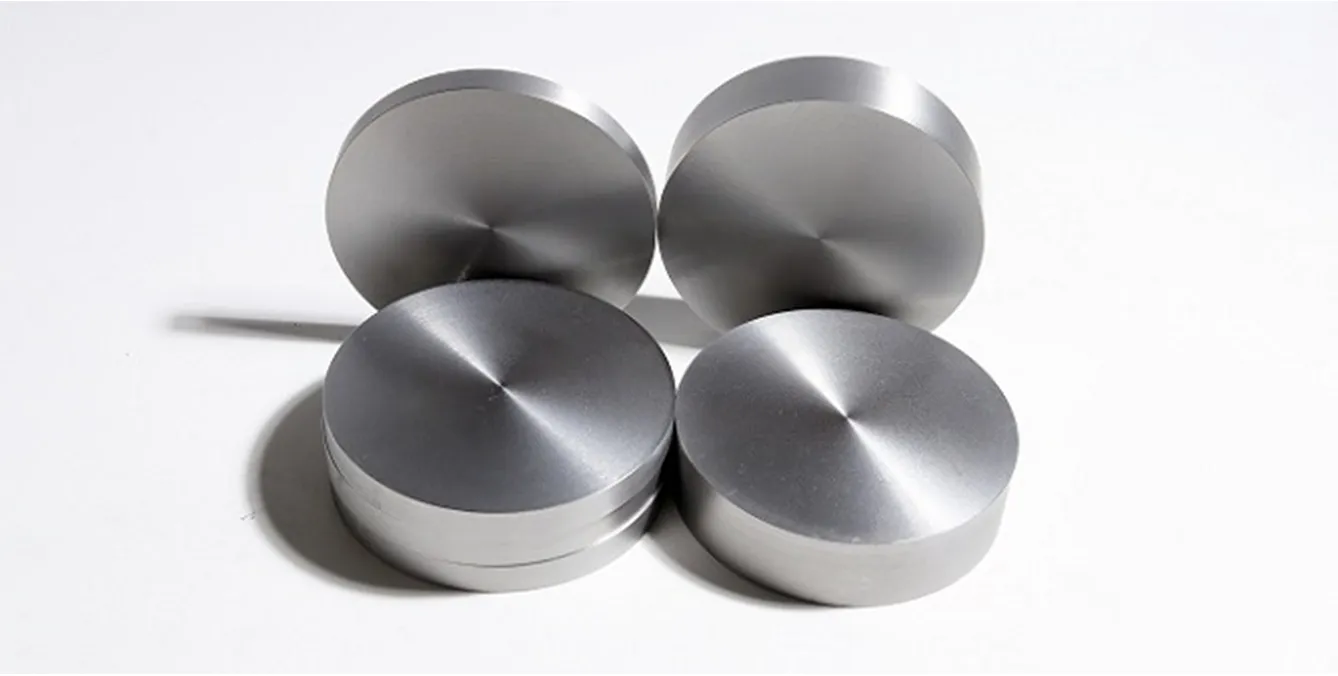
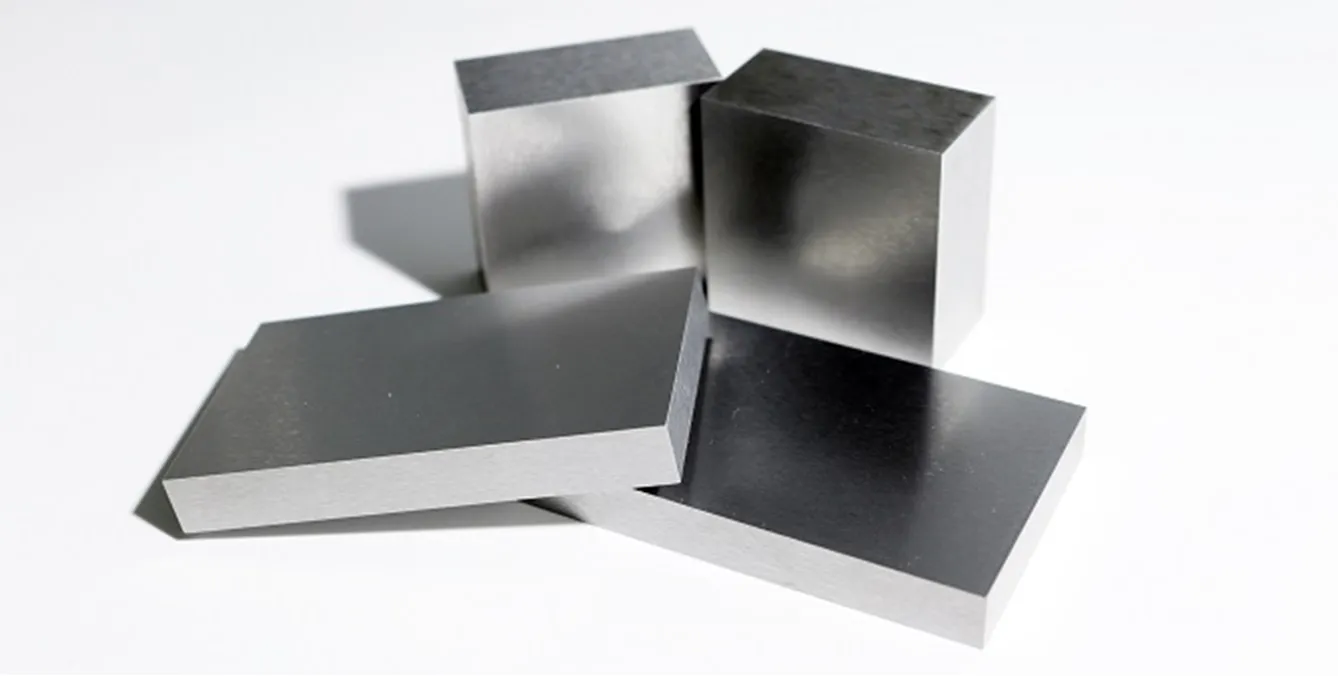
Thanks to its high density (19.3 g/cm³, higher than 17.5 g/cm³), extremely high melting point (3422°C), excellent strength and hardness, good thermal and electrical conductivity, as well as corrosion resistance, tungsten rods play an irreplaceable role in numerous high-end industrial and technological fields. Its main applications can be systematically summarized as follows:
High-End Manufacturing and Processing
EDM Electrodes: Tungsten, tungsten-copper or tungsten-silver alloy rods are utilized for CNC electrical discharge machining of precision molds, leveraging their electrical erosion resistance.
Cutting Tools and Wear-Resistant Components: As the core raw material of cemented carbides (e.g., tungsten-cobalt alloys), they are made into turning tools, drills, milling cutters, etc., and also directly used in manufacturing wear-resistant parts and die-casting molds.
Thermal Processing and Metallurgy: Employed as heating elements, supports and crucibles for high-temperature furnaces, as well as heat shields and heating elements for crystal growth (e.g., sapphire).
Aerospace and National Defense Military Industry
Counterweight and Balance Components: Leveraging their high density, they are used to manufacture gyroscope rotors, flywheels and actuator counterweights in aircraft, missiles and satellites, enabling precise weight adjustment with minimal volume.
Kinetic Energy Armor-Piercing Projectile Cores: A key material for manufacturing the cores of Armor-Piercing Fin-Stabilized Discarding Sabot (APFSDS) projectiles, achieving extremely strong armor-piercing capability through high density and high strength.
Rocket Engine Components: Utilized in the production of nozzles, throat liners and other components that must withstand scouring by extremely high-temperature gas.
Radiation Protection and Nuclear Industry
Radiation Shielding: Possessing excellent shielding effectiveness against X-rays and gamma rays, it is used to manufacture shielding components, collimators and syringe shielding sleeves in medical equipment (CT scanners, linear accelerators), nuclear power plants, industrial flaw detection and nuclear waste storage containers.
Nuclear Fuel-Related Applications: Utilized as shielding materials or fuel element components in nuclear reactors.
Electronics, Electrical Engineering and Semiconductors
Electrical Contact Materials: Tungsten or tungsten alloy rods are used to manufacture contacts and contact supports for high-voltage switches and circuit breakers, due to their resistance to arc ablation.
Semiconductor Industry: Employed as sputtering targets for Physical Vapor Deposition (PVD), as well as heat sinks (heat dissipation substrates) and supports in chip manufacturing and packaging processes.
Other Special Applications
Weights for Sporting Goods: Used in high-end golf club heads, racing car weights, sailing boat keels, etc., to adjust the center of gravity and inertia.
Scientific Research Equipment: Employed as collimators, shielding blocks and beam targets in large scientific facilities such as synchrotron radiation and particle accelerators.
Oil Drilling: Utilized as radioactive source shields and weight rods for downhole logging tools (e.g., density logging).
 English