


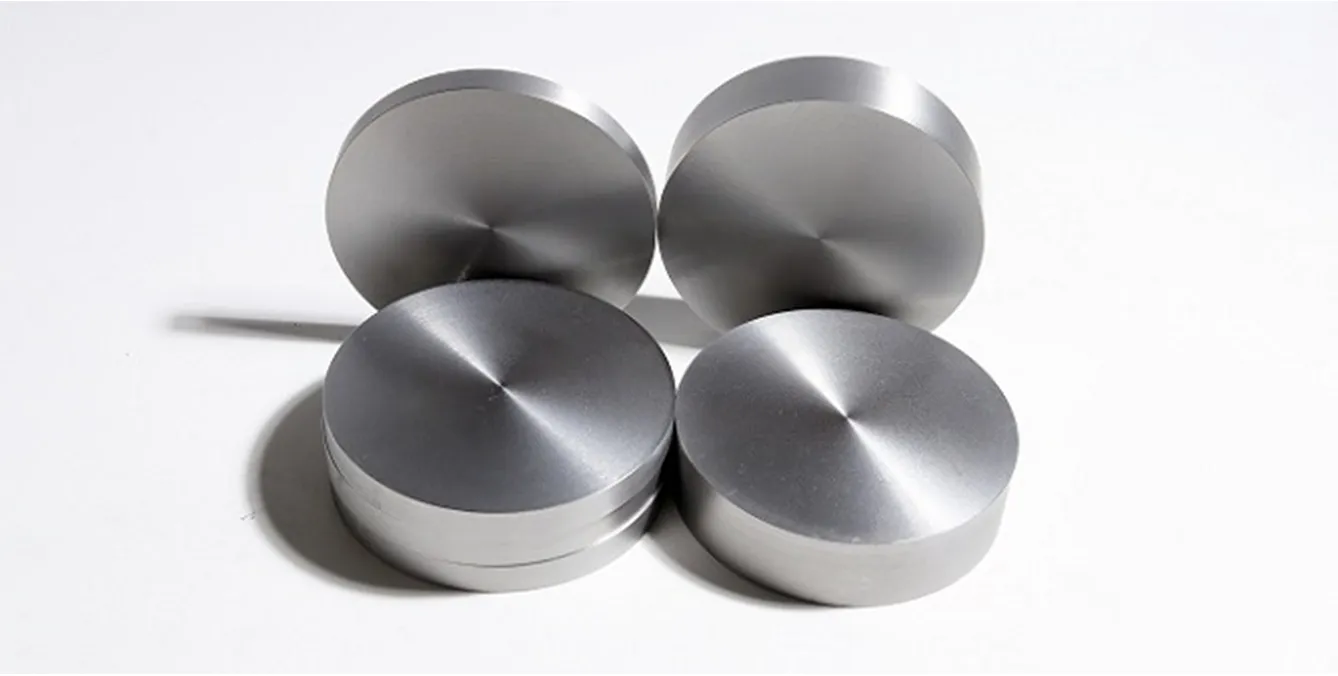
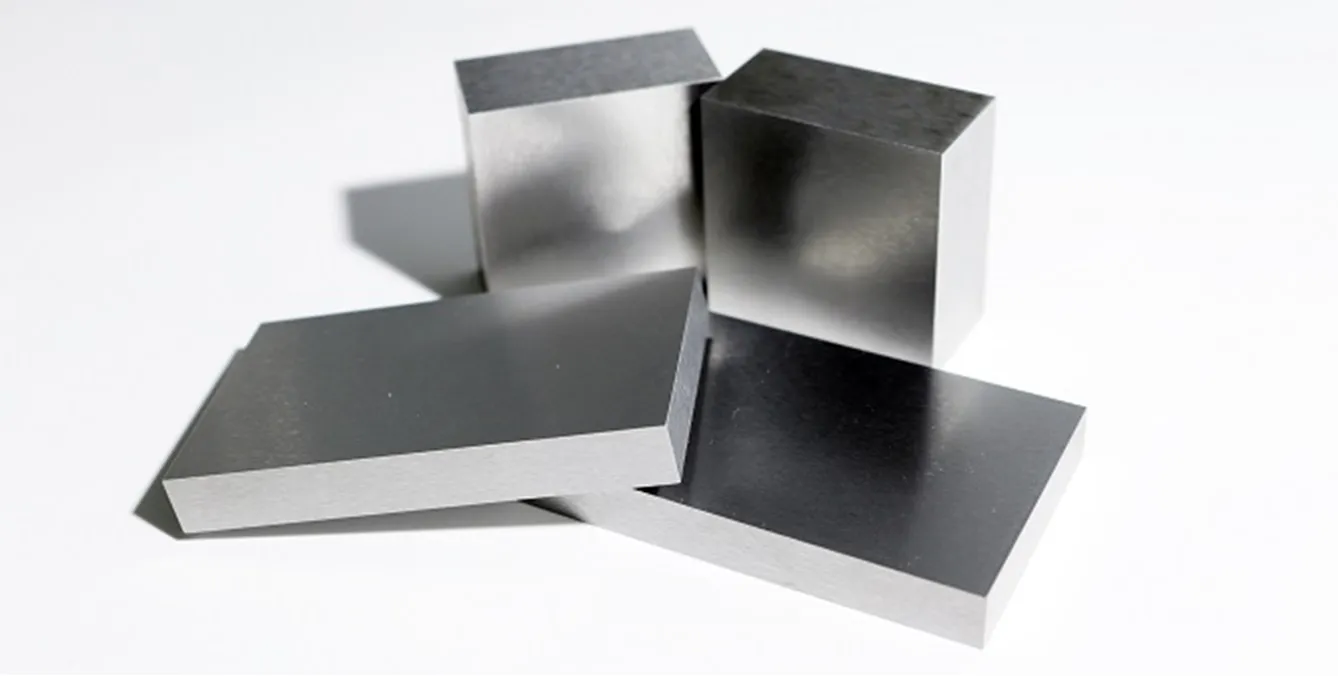
The fundamental reason for choosing tungsten as the fastener material lies in its array of extreme-performance characteristics.
Ultra-high Density (19.3 g/cm³): It ranks among the highest of all metals. This renders tungsten fasteners irreplaceable in applications requiring counterweighting, inertial stabilization or vibration resistance (e.g., aerospace gyroscopes, racing car counterweights, high-end audio diaphragms).
Ultra-high Melting Point and Excellent High-temperature Strength (Melting Point: 3422°C): In ultra-high temperature environments (vacuum furnaces, rocket engines, plasma equipment), tungsten fasteners can maintain their shape and clamping force, whereas ordinary steel will soften, melt or even vaporize.
Excellent Creep Resistance: It has an extremely strong capacity to resist slow plastic deformation under high temperature and sustained stress, thus ensuring long-term operational reliability.
Good Thermal and Electrical Conductivity: Suitable for assembly scenarios where heat dissipation or electrical conduction is required.
Ultra-high Hardness and Wear Resistance: The surface boasts high wear resistance, though this also makes machining more challenging.
Outstanding Corrosion Resistance: It exhibits good resistance to most acids, alkalis and molten metals. However, it oxidizes in high-temperature oxidizing atmospheres (e.g., air), and thus usually requires protection by inert gas or vacuum conditions.
Low Thermal Expansion Coefficient: Its dimensional change with temperature is minimal, which is critical for precision equipment demanding high dimensional stability.
Excellent Radiation Shielding Capability: Its high density provides an excellent shielding effect against X-rays and gamma rays, making it widely used in medical and nuclear industry equipment.
Pure Tungsten (W): It has the highest hardness but also the greatest brittleness, making it difficult to machine at room temperature. It is commonly used for fasteners with simple shapes that do not require high ductility.
Tungsten Alloys (e.g., W-Ni-Fe / W-Ni-Cu): Fabricated via powder metallurgy technology. The addition of binders such as nickel, iron and copper significantly improves toughness, strength and machinability, while still maintaining high density (17–18.5 g/cm³). This is the most commonly used material for tungsten fasteners.
Doped Tungsten (e.g., Lanthanum-tungsten Alloy W-La₂O₃): The addition of trace amounts of lanthanum oxide and other substances significantly increases the recrystallization temperature and high-temperature strength, and improves sag resistance and creep resistance at elevated temperatures. It is suitable for fasteners that operate continuously under ultra-high temperatures.
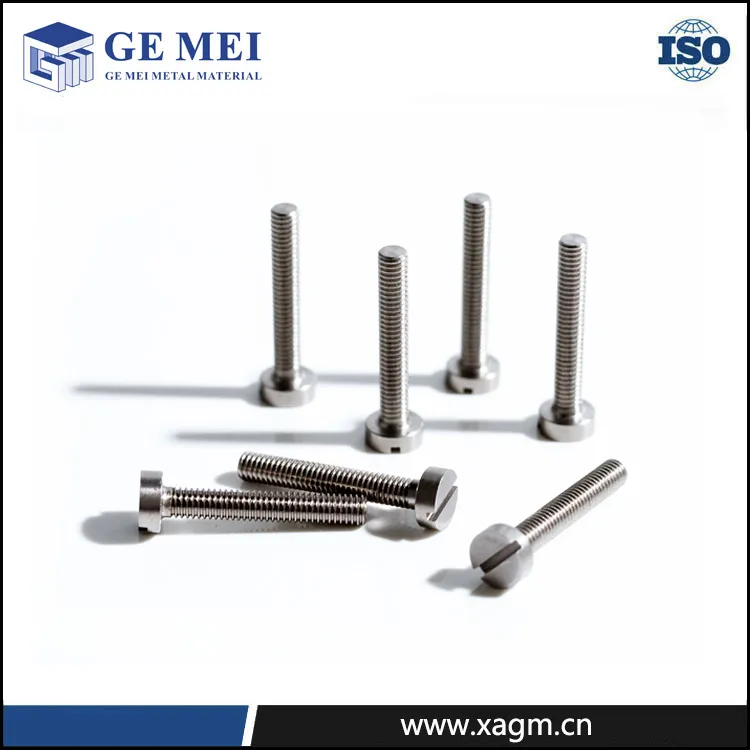
Tungsten Screws/Bolts
Applications: Used for fixing heating elements and heat shields inside high-temperature furnaces; connecting internal components of semiconductor manufacturing equipment (e.g., CVD and PVD reaction chambers); and joining high-temperature sections of rocket engines and nozzles.
Features: Usually featuring hexagon socket, dodecagonal or custom special-shaped heads, with threads requiring high-precision machining.
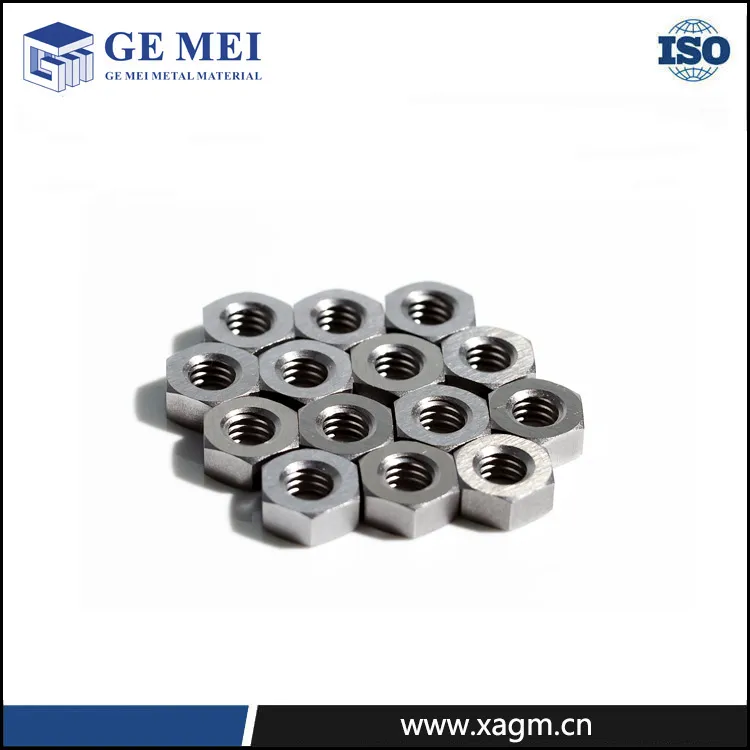
Tungsten Nuts
Applications: Used in conjunction with tungsten bolts to provide reliable locking in high-temperature, vacuum or inert gas environments. They are applied in particle accelerators, nuclear fusion experimental devices and other equipment.
Features: High requirements for thread wear resistance and anti-seizure performance.
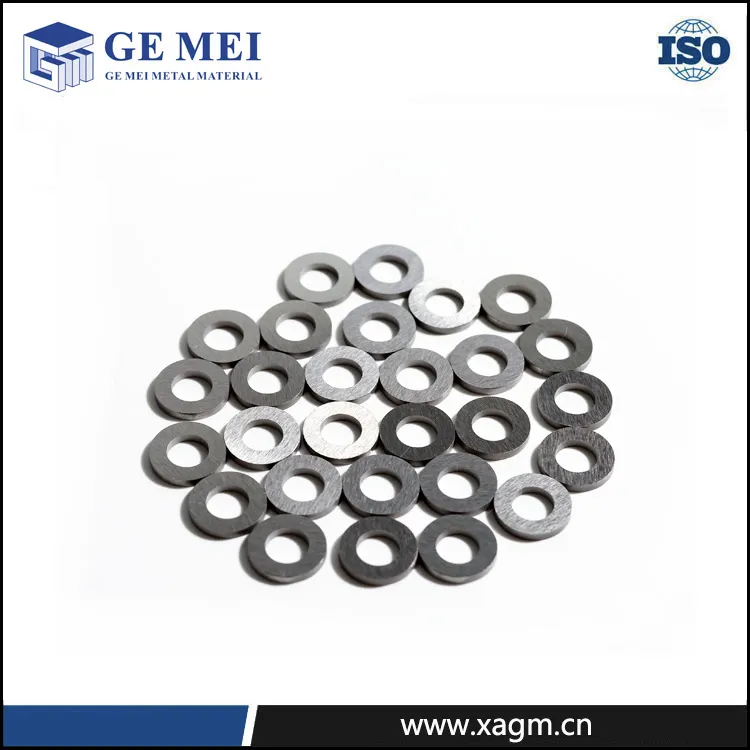
Tungsten Washer
Applications: High-temperature/Vacuum Sealing Gaskets: Leveraging tungsten’s rigidity, they can still provide stable clamping force at high temperatures.
Counterweight Washers: Delivering maximum counterweight in limited spaces (e.g., aerospace, racing).
Radiation Shielding Washers: Used in medical linear accelerators and nuclear instruments for radiation isolation.
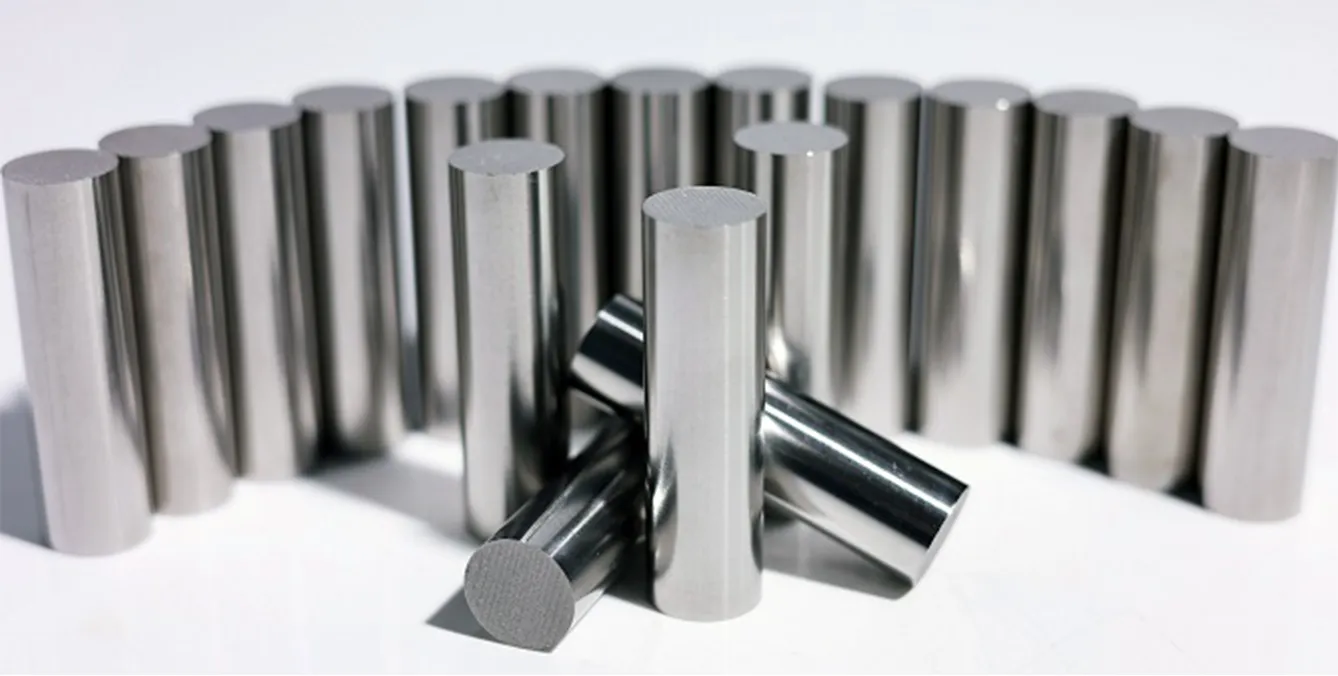
Tungsten Dowel Pins/Tungsten Locating Pins
Applications: Used for precision positioning of high-temperature fixtures and molds; for articulated joints requiring ultra-high wear resistance and shear strength; and for fixing racks inside high-temperature furnaces.
Features: Require extremely high dimensional accuracy and surface finish.