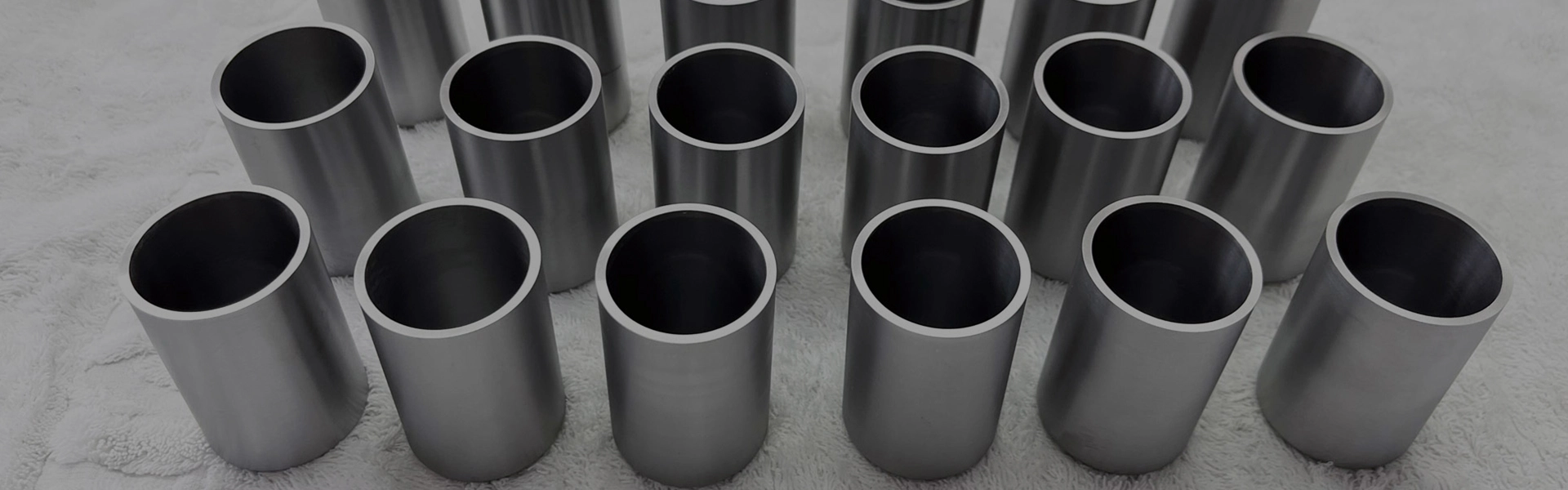
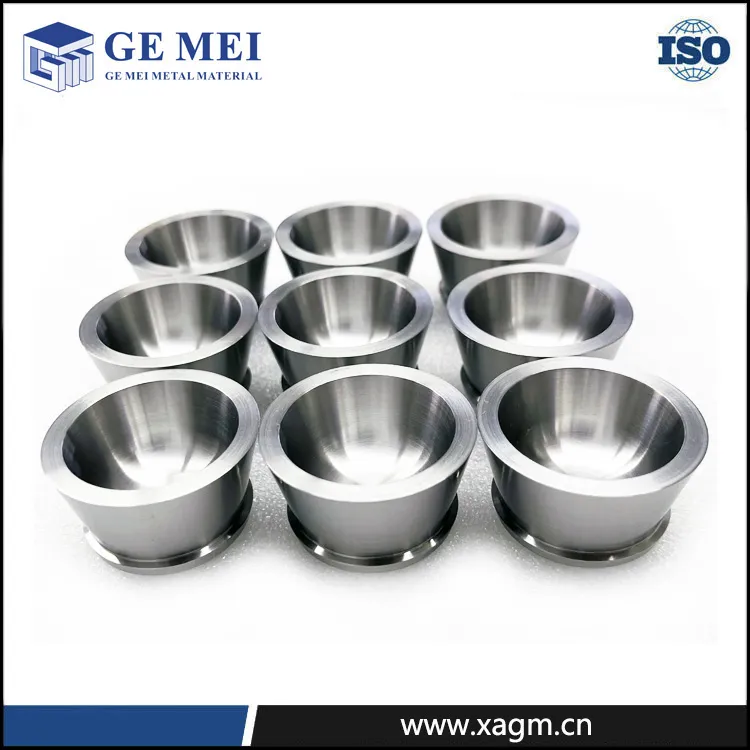
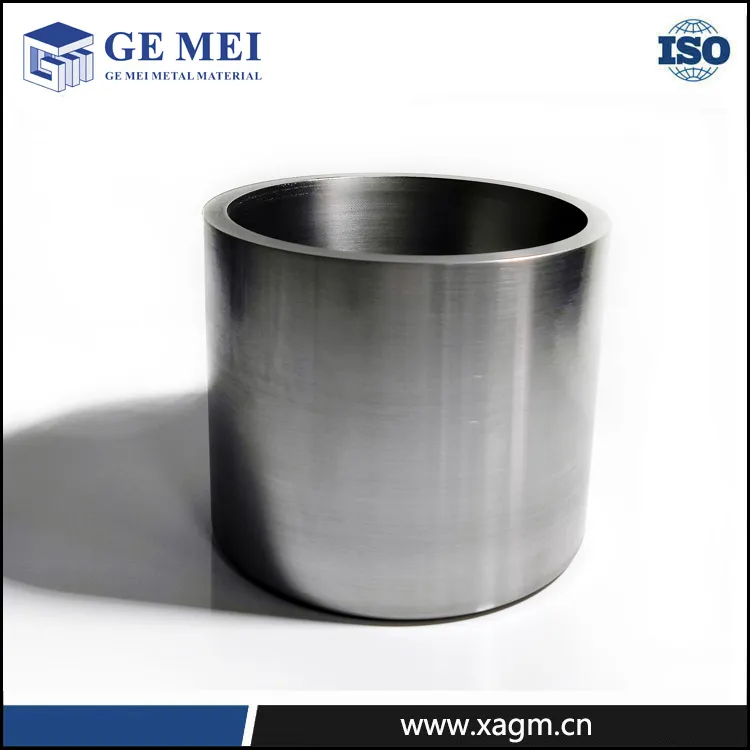
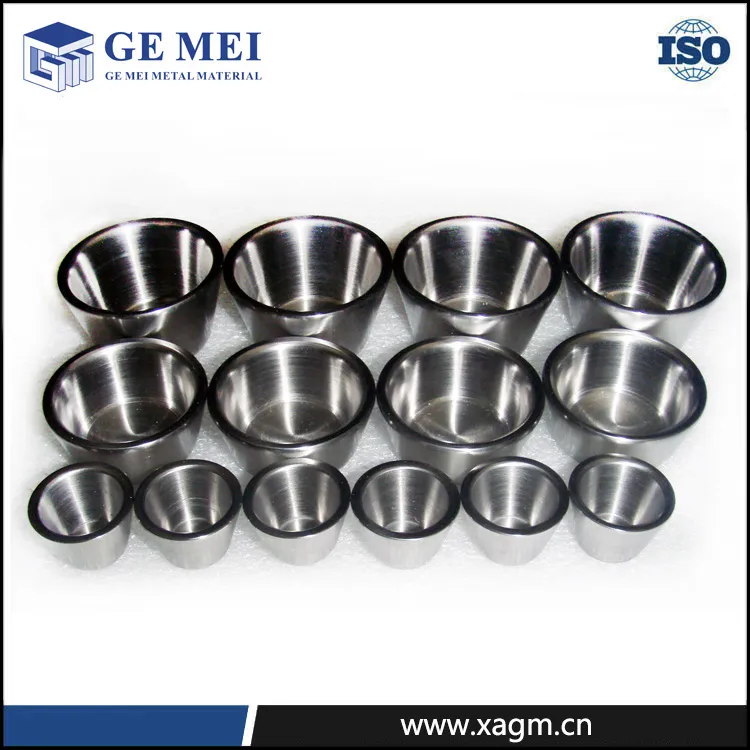
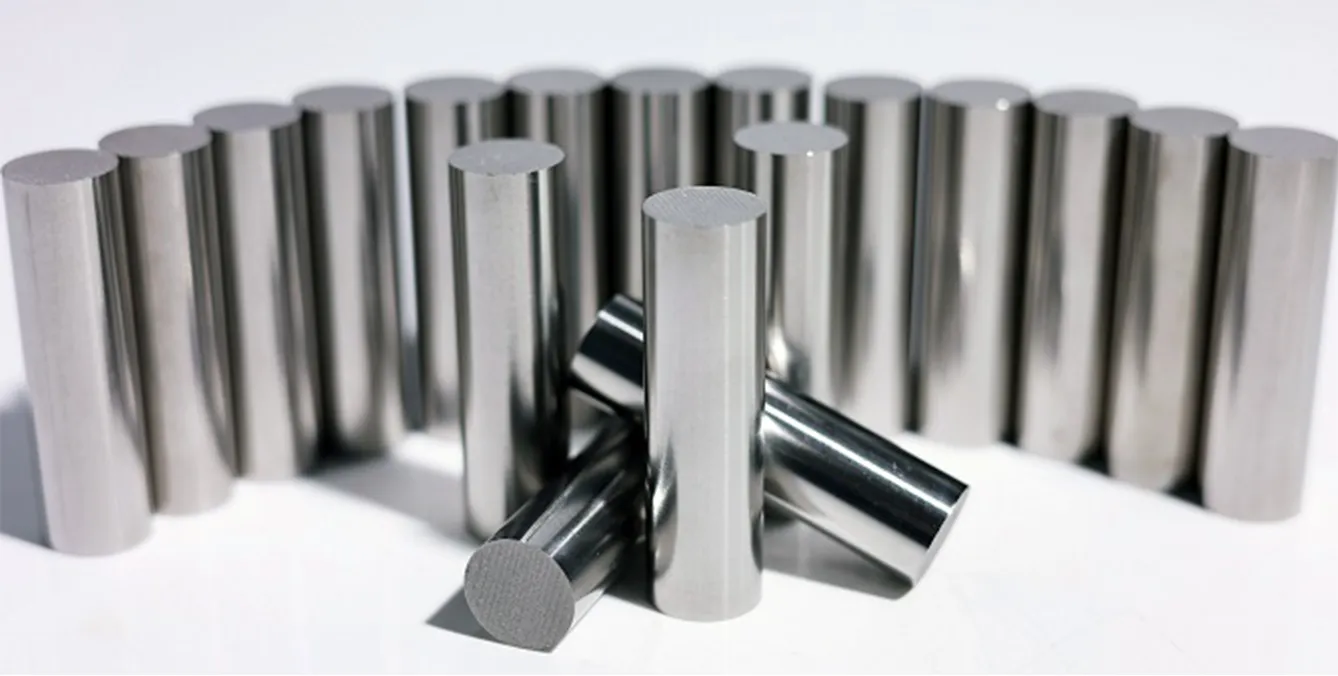
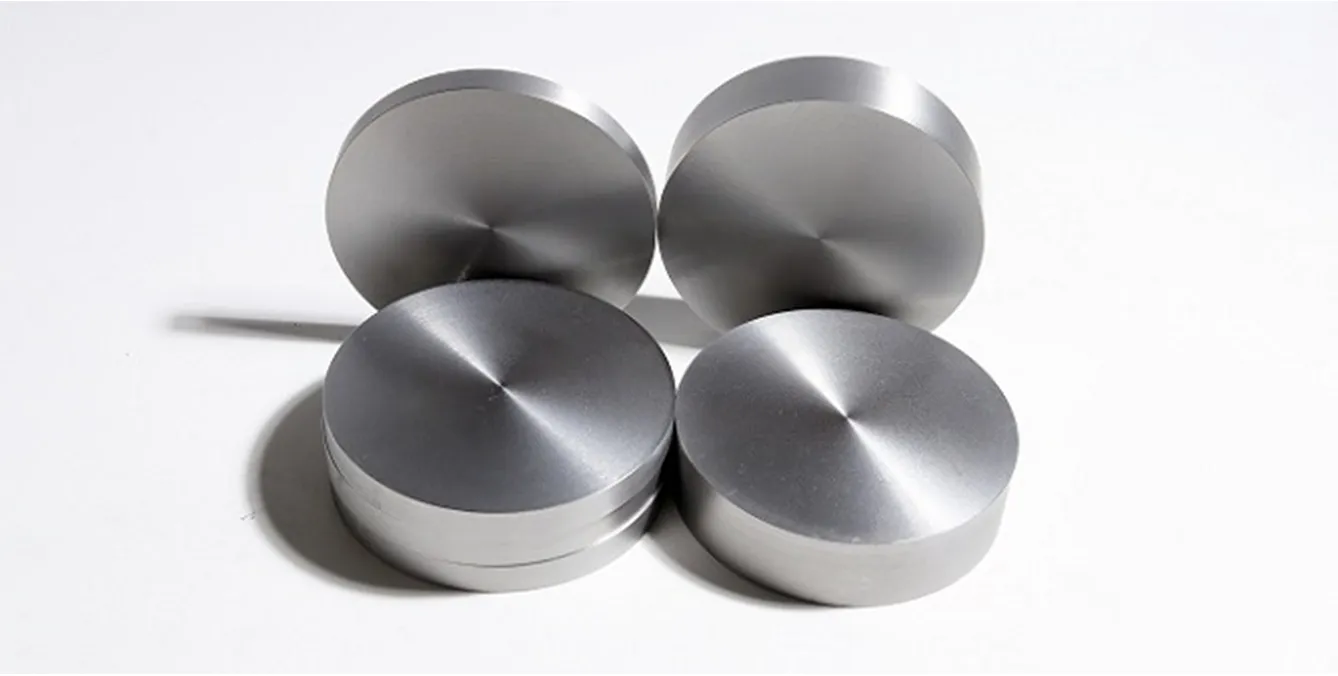
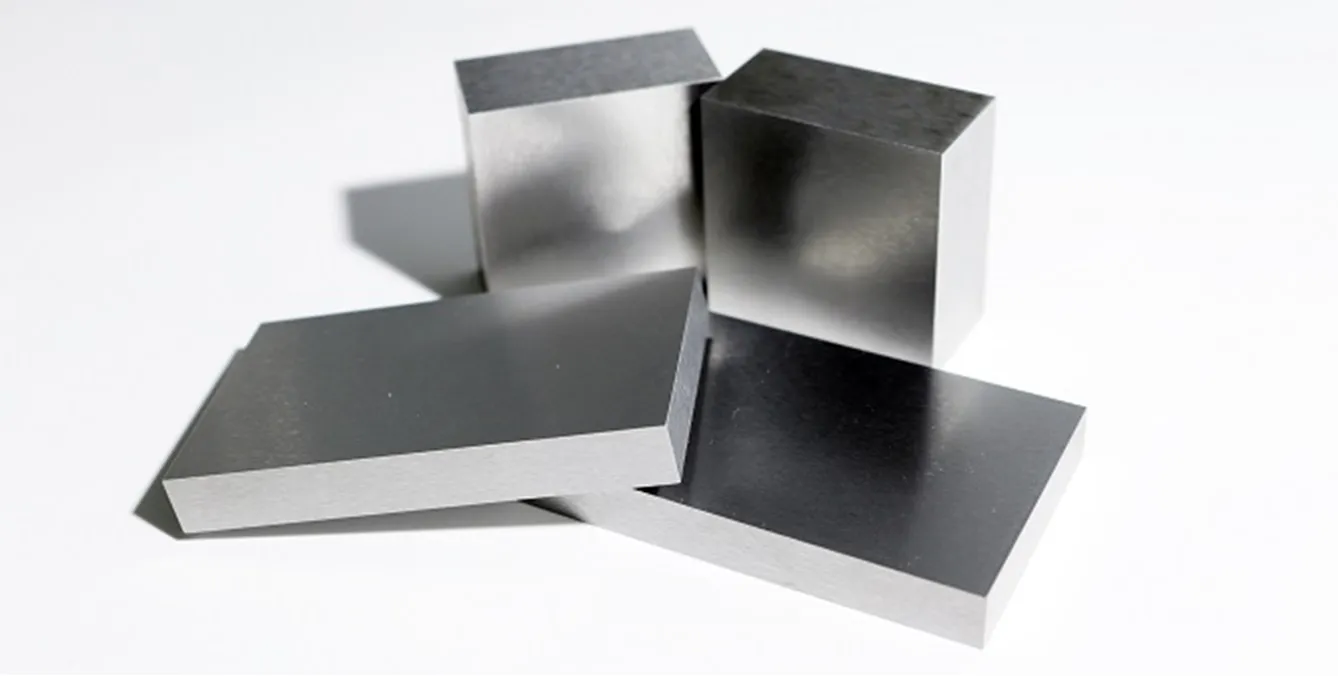
The value of tungsten crucibles is rooted in the extreme physical and chemical properties of tungsten metal:
Extreme Temperature Resistance: With a melting point as high as 3422°C, it can operate stably for a long time in a vacuum or protective atmosphere at 1600°C to 3000°C, making it the metal vessel with the highest known melting point.
Excellent High-Temperature Strength: It maintains structural strength and creep resistance even at extremely high temperatures, and is not prone to softening and deformation.
Ultra-Low Vapor Pressure: Volatilization loss is minimal in high-temperature vacuum environments, avoiding material contamination caused by the vessel’s own volatilization.
Good Thermal Conductivity and Thermal Stability: Heat distribution is uniform, and thermal shock resistance is relatively good (but standardized operation is still required).
Corrosion Resistance: It has excellent erosion resistance to most molten metals (such as copper, gold, silver, rare earth metals), oxide melts (such as Al₂O₃), and certain salts.
It mainly serves cutting-edge manufacturing and scientific research with extremely stringent requirements for temperature, purity and environment.
Crystal Growth (Flagship Application):
Sapphire Crystals: Used in the Kyropoulos method (KY method) and Heat Exchanger Method (HEM) to hold molten alumina (melting point: 2050°C). Their quality directly determines the performance of products such as LED substrates and optical windows.
Other Laser/Optical Crystals: Such as the Czochralski method growth of single crystals like YAG (yttrium aluminum garnet) and calcium fluoride.
High-End Vacuum Metallurgy and Purification:
Refractory Metal Smelting: Smelting high-purity tantalum, niobium, molybdenum, titanium and their alloys in electron beam or arc furnaces.
Rare Earth Metal Distillation Purification: Used for smelting and vacuum distillation separation of high-purity rare earth metals such as dysprosium and terbium.
Semiconductors and Thin-Film Deposition:
PVD Evaporation Sources: Used as evaporation boats to hold and heat evaporation materials such as gold, silver and aluminum in vacuum coating.
CVD Reactor Components: Serving as reactor liners or susceptors for high-temperature chemical vapor deposition (e.g., diamond thin-film growth).
Scientific Research:
Used as chemical reaction vessels, thermal analysis sample dishes, etc., under high-temperature conditions (>2000°C).
Mainstream Manufacturing Processes
Powder Metallurgy Sintering: The most traditional and reliable method. Tungsten powder is compacted into shape using molds (e.g., isostatic pressing), sintered into a dense body in a hydrogen atmosphere at temperatures above 2000°C, and then precision machined. Suitable for various complex shapes.
Spinning Forming: Suitable for thin-walled cylindrical crucibles. Pre-sintered tungsten slabs are processed using a spinning machine, offering high efficiency and low cost.
3D Printing (Additive Manufacturing): An emerging technology capable of producing complex integrated structures (e.g., built-in flow channels, special interlayers) that cannot be achieved by traditional methods. However, cost and surface treatment remain challenges.
Main Types
Pure Tungsten Crucibles: The most widely used type, meeting most high-temperature and high-purity requirements.
Doped Tungsten Crucibles: Made of "non-sag tungsten" doped with trace elements such as potassium, silicon, and aluminum. They feature a high recrystallization temperature, excellent high-temperature sag resistance and deformation resistance, and a longer service life, making them the preferred choice for industries like sapphire crystal growth.
Tungsten Alloy Crucibles: Such as tungsten-rhenium alloys, designed to improve low-temperature brittleness and toughness after recrystallization.