

Matrix: Tungsten metal (W), which provides high melting point (3422°C), high density (19.3 g/cm³), excellent high-temperature strength and thermal conductivity.
Additives: Generally, 0.5%–5% of lanthanum oxide (La₂O₃) is added, which is dispersedly distributed inside tungsten grains or at grain boundaries in the form of nano or submicron particles.
Structural Characteristics: Lanthanum oxide particles can effectively pin the grain boundaries, inhibit grain growth at high temperatures, and promote the formation of an elongated fibrous grain structure, thereby improving the material properties.
Excellent High-temperature Performance: The recrystallization temperature is significantly increased (up to over 1800°C), and the high-temperature creep resistance and sag resistance are superior to those of pure tungsten.
Improved Processability: The addition of lanthanum enhances the plasticity and toughness of tungsten, reduces its room-temperature brittleness and ductile-brittle transition temperature, making it easier for rolling, forging and drawing.
Enhanced Electron Emission Performance: Lanthanum oxide particles can migrate to the surface at high temperatures, reduce the work function, and improve electron emission capacity.
Good Damage Resistance: It has excellent thermal shock fatigue resistance and arc ablation resistance, along with a long service life.
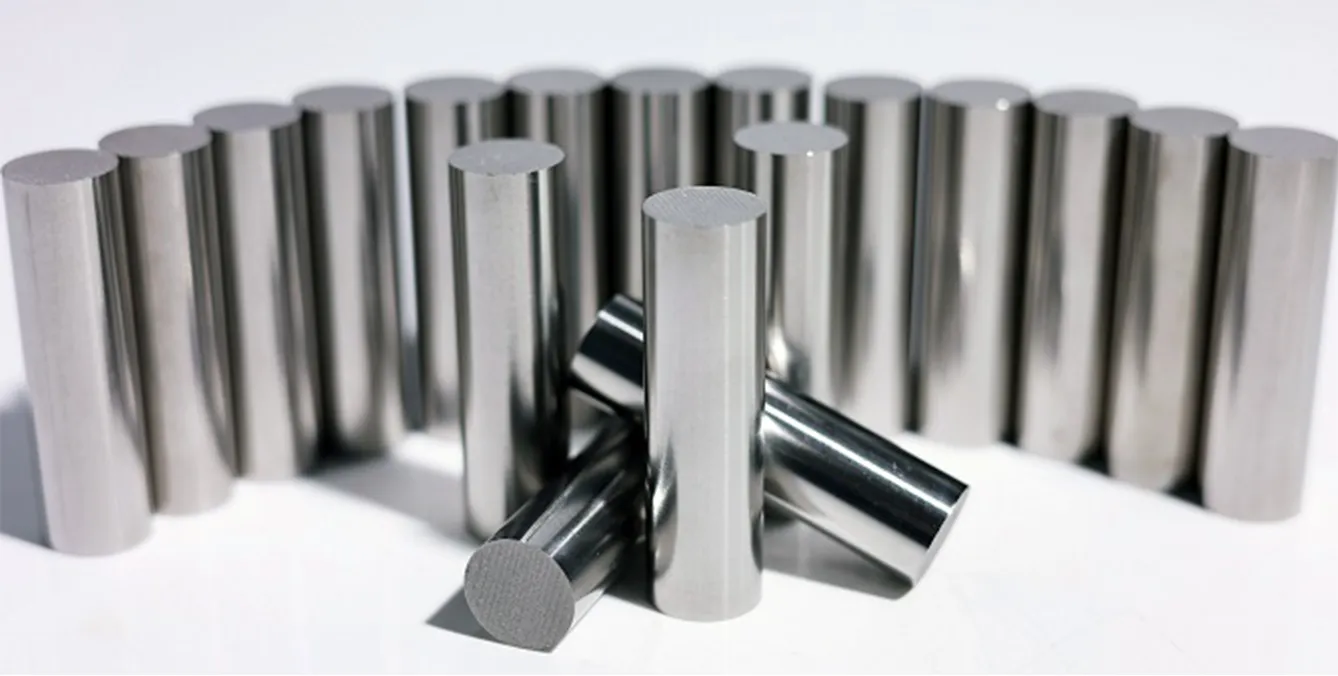
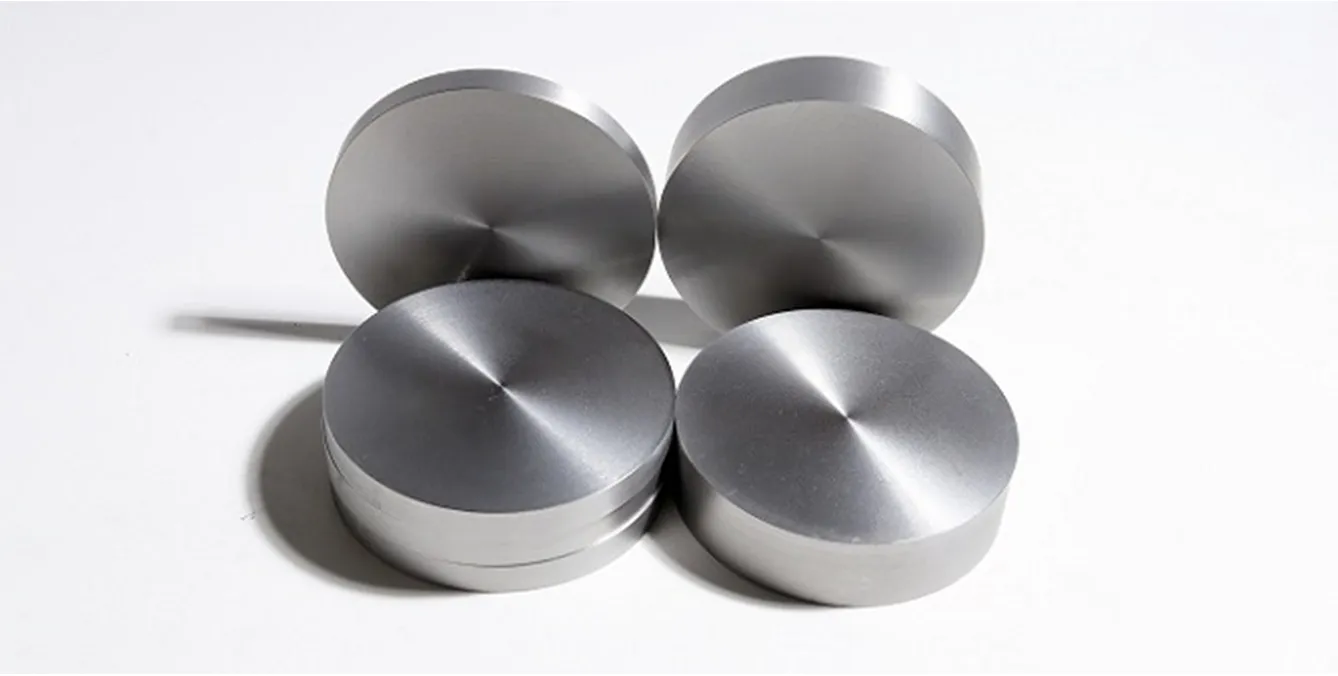
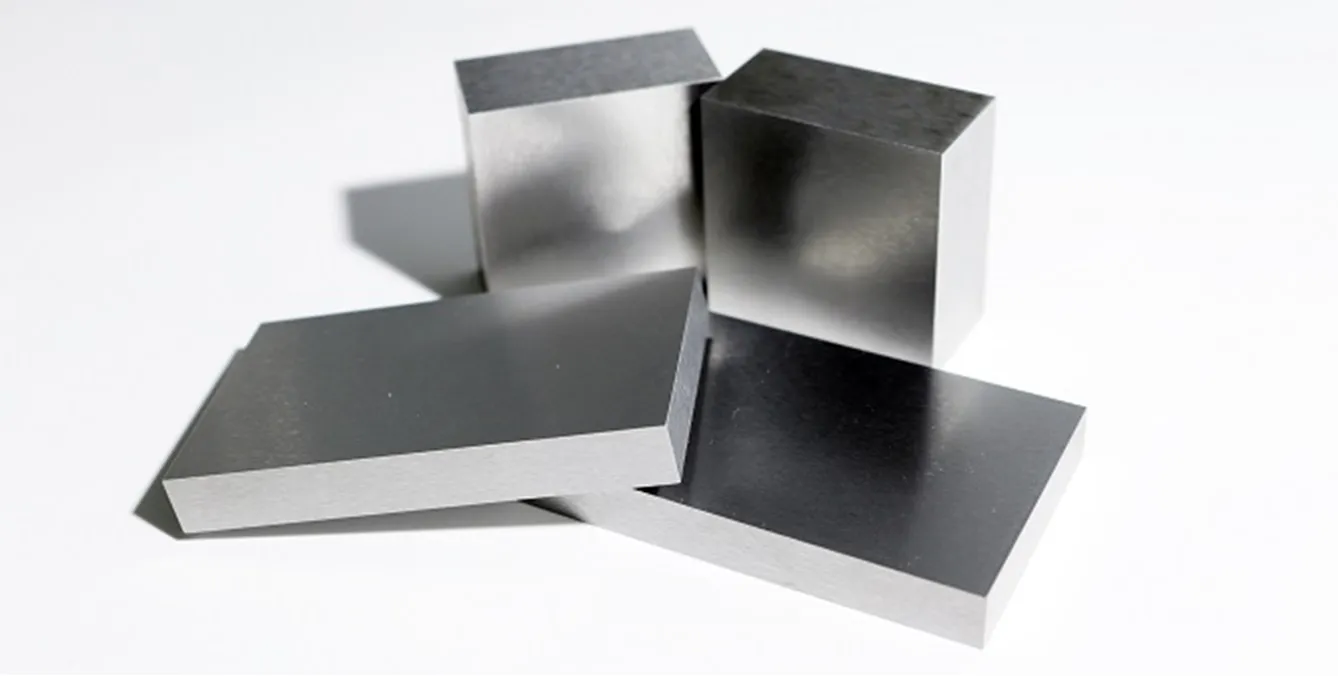
Powder Metallurgy Method: As the mainstream preparation method, it proceeds through the steps of mixing tungsten powder with lanthanum oxide nanopowder → isostatic pressing → high-temperature sintering (2000–3000°C) → hot/cold working (rolling, rotary swaging, etc.) → to obtain rods, wires or plates.
Doping Technology: The key lies in the precise control of the distribution and particle size of lanthanum oxide. Uniform dispersion is usually achieved by coprecipitation, sol-gel or mechanical alloying methods.
Electrovacuum and Electric Light Source Industry:
Filaments and Electrodes: Used in high-performance halogen lamps, gas discharge lamps, laser electrodes, etc. They feature high-temperature evaporation resistance and prolonged service life.
Electron Emission Materials: Served as emitters in hot cathodes or plasma equipment.
High-temperature Industrial Field:
High-temperature Furnace Components: Heating elements, heat shields, crucibles, etc., suitable for semiconductor manufacturing and high-temperature processing.
Welding and Cutting: Non-consumable electrodes, plasma welding torch nozzles.
Aerospace and Defense:
High-temperature components such as rocket nozzles and gas vanes, capable of withstanding extreme thermal shocks.
Nuclear Fusion Devices: Serves as a candidate material for plasma-facing materials (e.g., divertor components), with excellent radiation resistance and thermal load resistance.