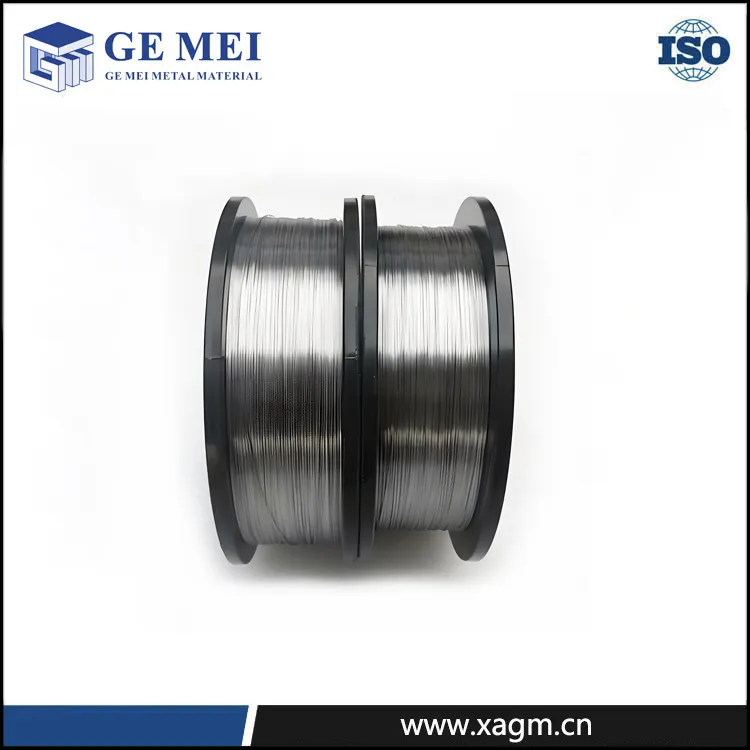
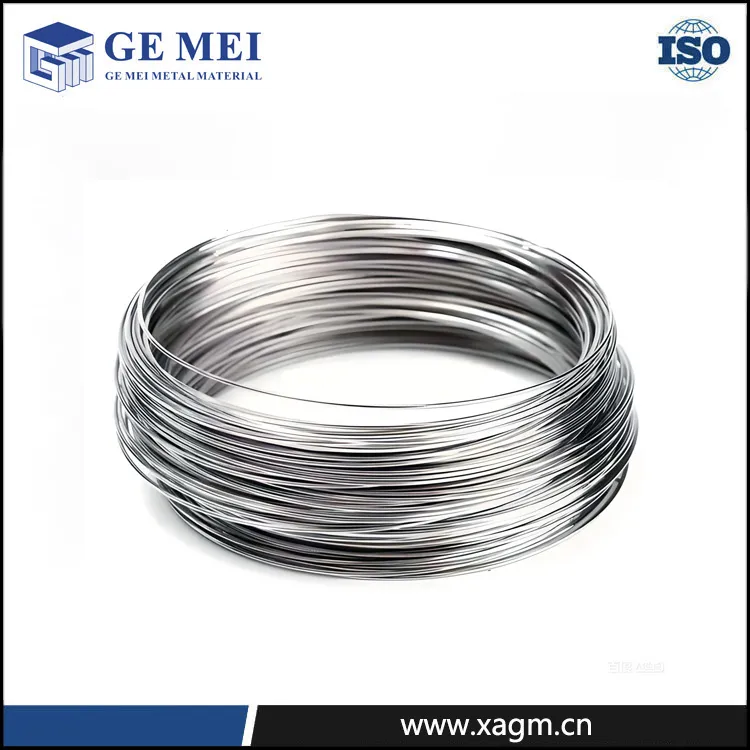
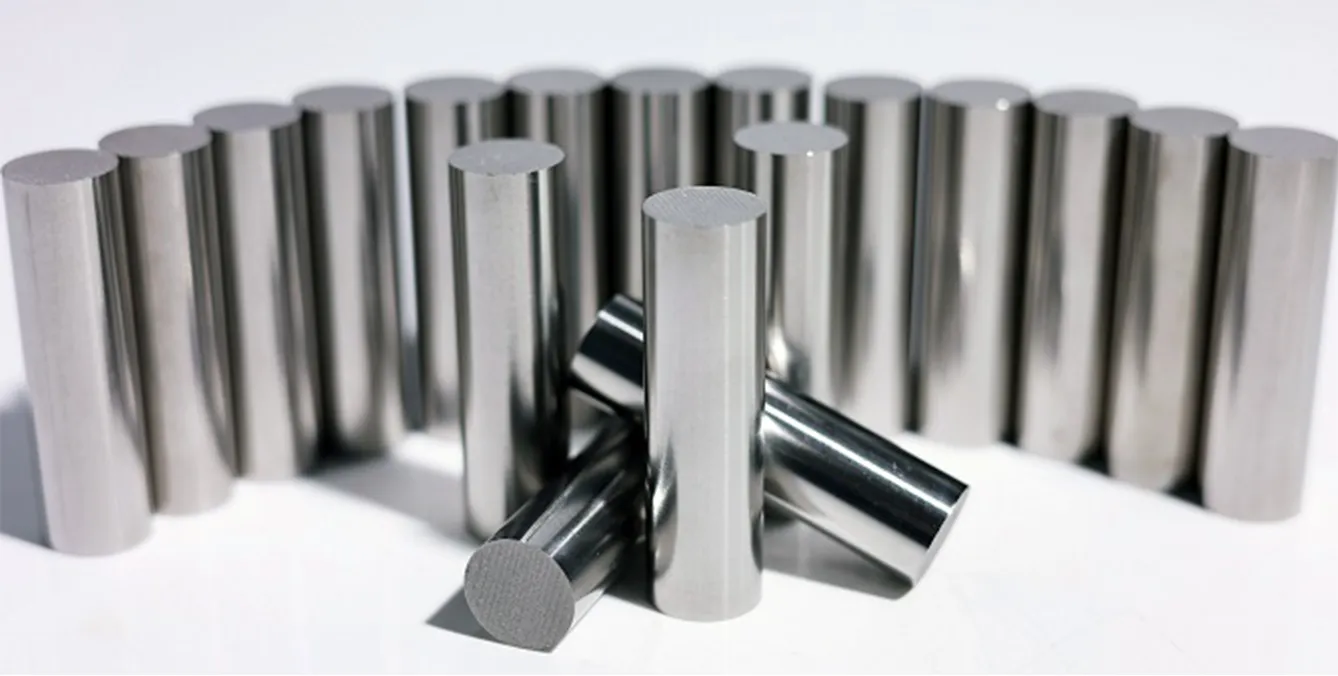
With its properties of high melting point, high strength, low thermal expansion coefficient and excellent electrical & thermal conductivity, molybdenum wire plays an irreplaceable role in fields such as precision manufacturing, high-temperature industry, electronics & electric light sources, and surface engineering. Different types of molybdenum wire correspond to differentiated core application scenarios, which are specifically classified as follows:
1. Electrical Discharge Wire Cutting (EDWC) Field
This is the most mainstream application scenario of molybdenum wire. Specialized molybdenum wire for wire cutting (with a diameter of 0.12–0.20 mm) is the core material, which is compatible with high-speed and medium-speed wire cutting machines. It serves as the electrode wire for precision machining of conductive materials including steel, aluminum, titanium alloy and die steel.
Its technical advantages lie in narrow wire diameter tolerance (±0.002 mm) and high tensile strength, with the cutting precision reaching ±0.005 mm. It can process complex mold cavities, precision auto parts, and special-shaped aerospace components, and is widely used in the mold manufacturing and mechanical processing industries.
2. High-Temperature Heating and Heat Treatment Field
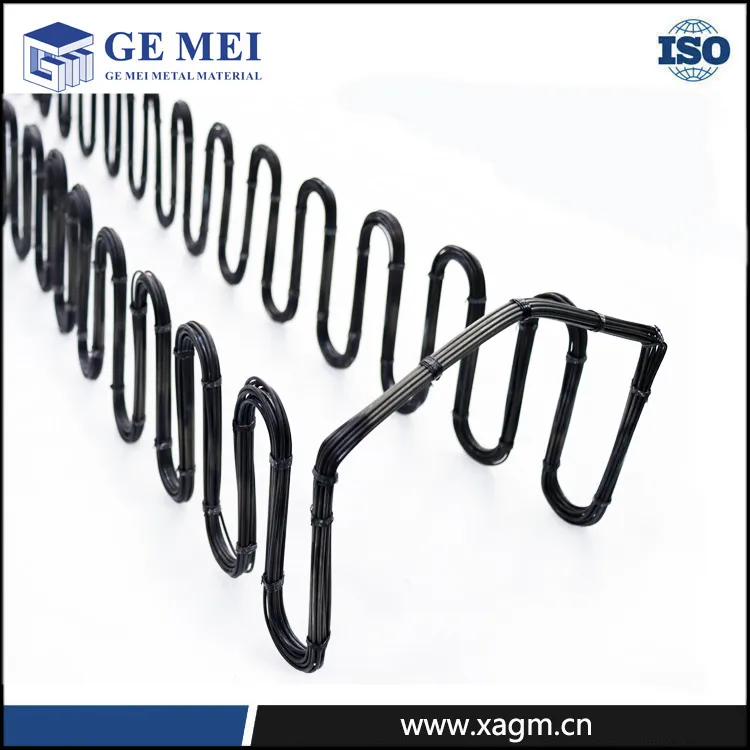
High-temperature molybdenum wire (mostly La- or Y-doped type) can withstand high temperatures of 1700–1800℃. In inert atmospheres such as vacuum and hydrogen, it can be used as the heating element of vacuum sintering furnaces, crystal growth furnaces and heat treatment furnaces, and is often processed into spiral or frame structures for use.
Meanwhile, it can also be made into thermocouple electrodes for temperature measurement under high-temperature working conditions, adapting to high-temperature equipment in industries such as metallurgy, ceramic sintering and monocrystalline silicon manufacturing.
3. Electronics and Electric Light Source Field
Electronic molybdenum wire features high purity (≥99.95%) and stable electrical conductivity, and is a core raw material for vacuum electronic devices and electric light source products:
It is used in the filaments and brackets of incandescent lamps and halogen lamps. Taking advantage of its high melting point and low evaporation rate, it extends the service life of lamps;
It is made into grid wires and lead-out wires of electron tubes and picture tubes, ensuring the stability of signal transmission of electronic devices, and serving the electronic component manufacturing industry.
4. Surface Engineering and Wear-Resistant Protection Field
Through thermal spraying processes (flame spraying, plasma spraying), spraying molybdenum wire can form a wear-resistant coating on the metal surface, improving the hardness and wear resistance of components.
Typical applications include surface strengthening of parts such as auto piston rings, transmission synchronizers and construction machinery hydraulic rods. The coating hardness can reach above HV1000, which can extend the wear-resistant service life of parts by 3–5 times.
5. Aerospace and High-End Manufacturing Field
Due to its high high-temperature strength and excellent creep resistance, doped molybdenum wire can be used in high-temperature components of aero-engines, reinforcing fibers of satellite structural parts, and high-temperature resistant components of rocket engine nozzles, adapting to the extreme working condition requirements of the aerospace field.
 English