
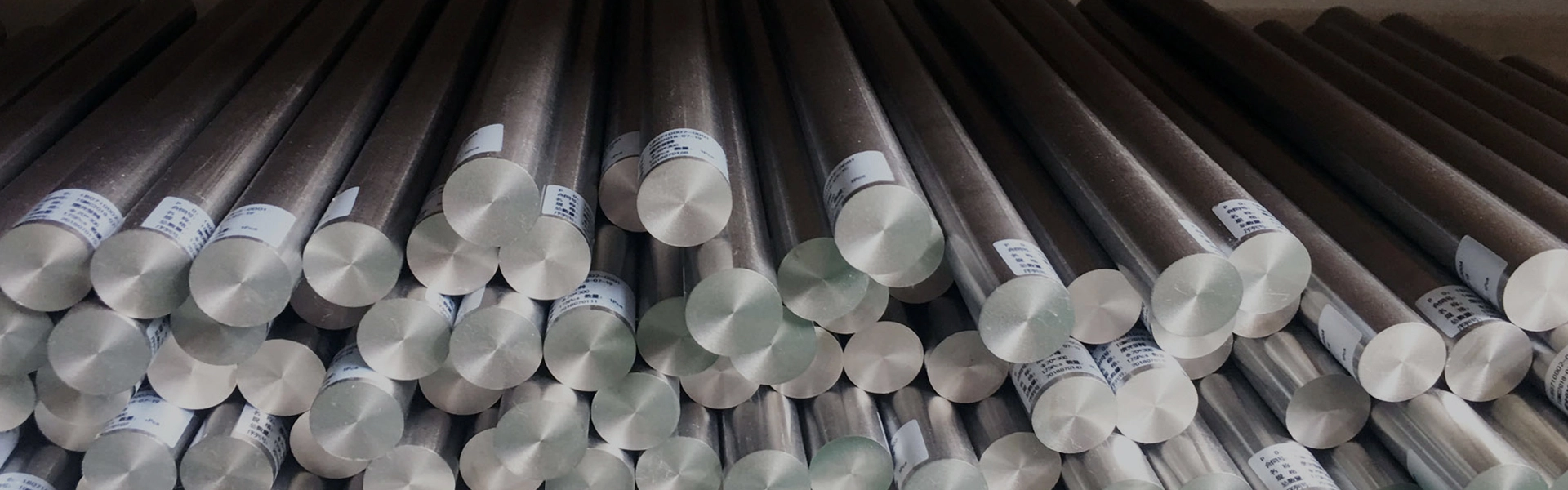
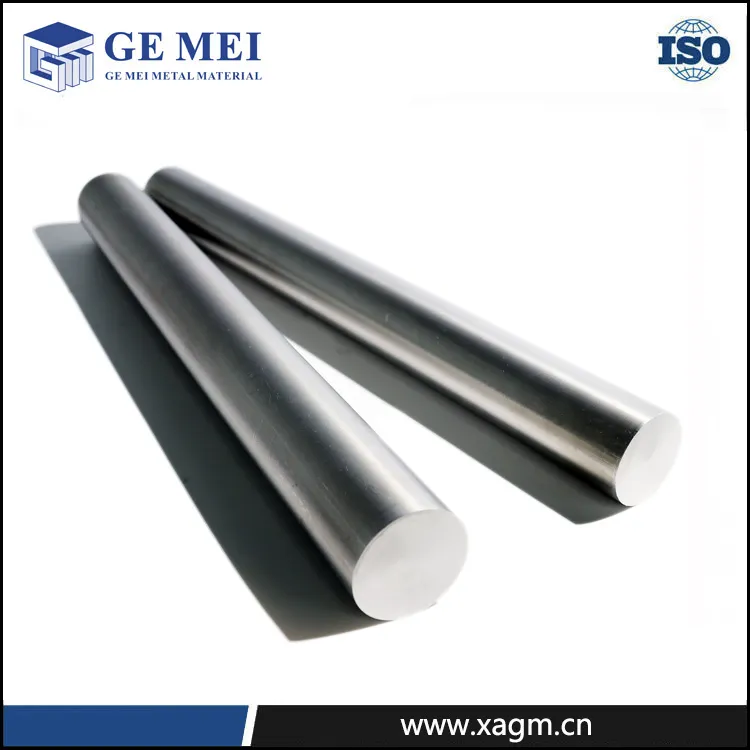
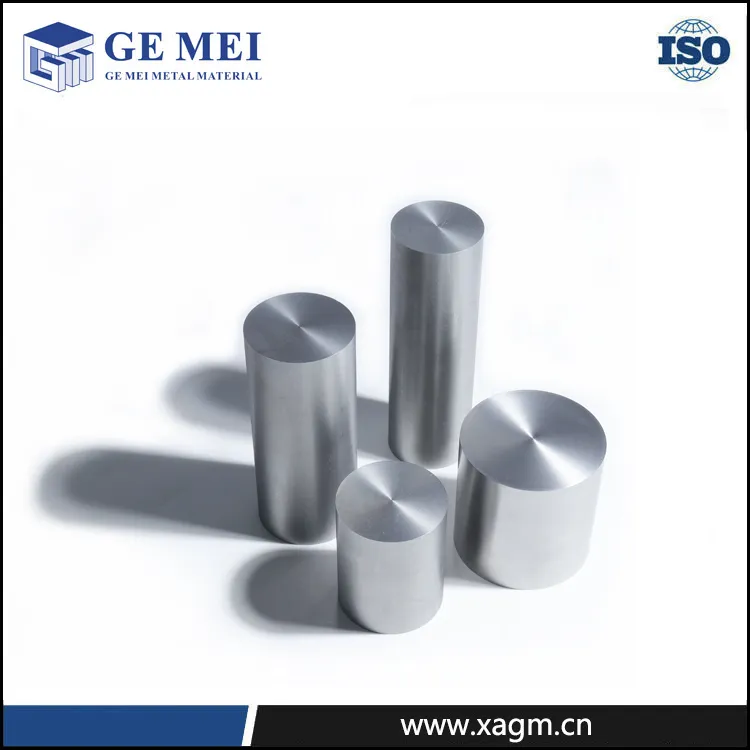
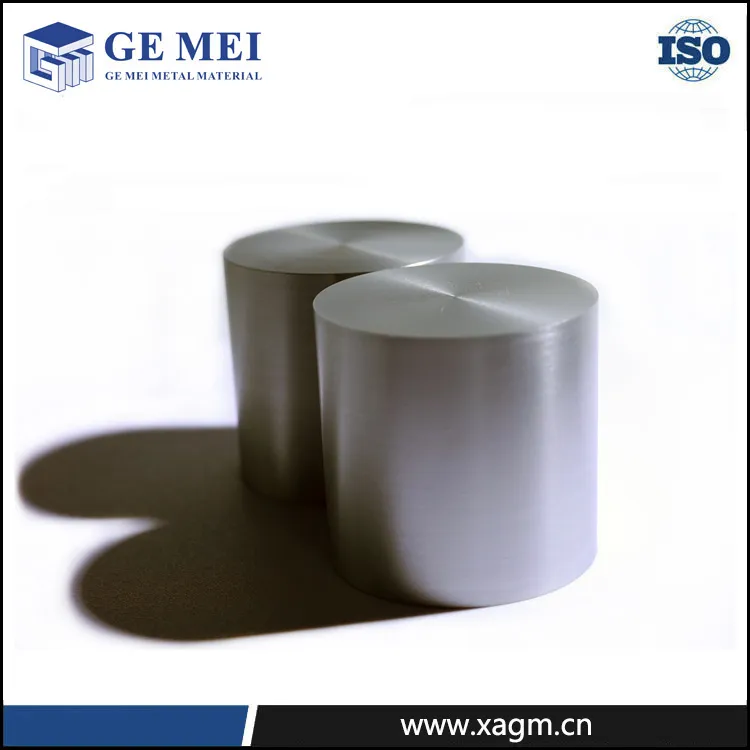

Ultra-high melting point: Approximately 2620°C, ranking among the highest melting points of common metals.
Excellent high-temperature strength: Retains considerable strength and hardness even at temperatures above 1000°C.
Good thermal and electrical conductivity: Its electrical conductivity is about one-third that of copper, with outstanding thermal conductivity.
Low coefficient of thermal expansion: Minimal dimensional change with temperature variation, ensuring excellent thermal stability.
Exceptional corrosion resistance: Resists erosion by various molten metals, acids and alkalis.
Certain machinability: Can be formed through processes such as forging, rolling and grinding.
Material classification:
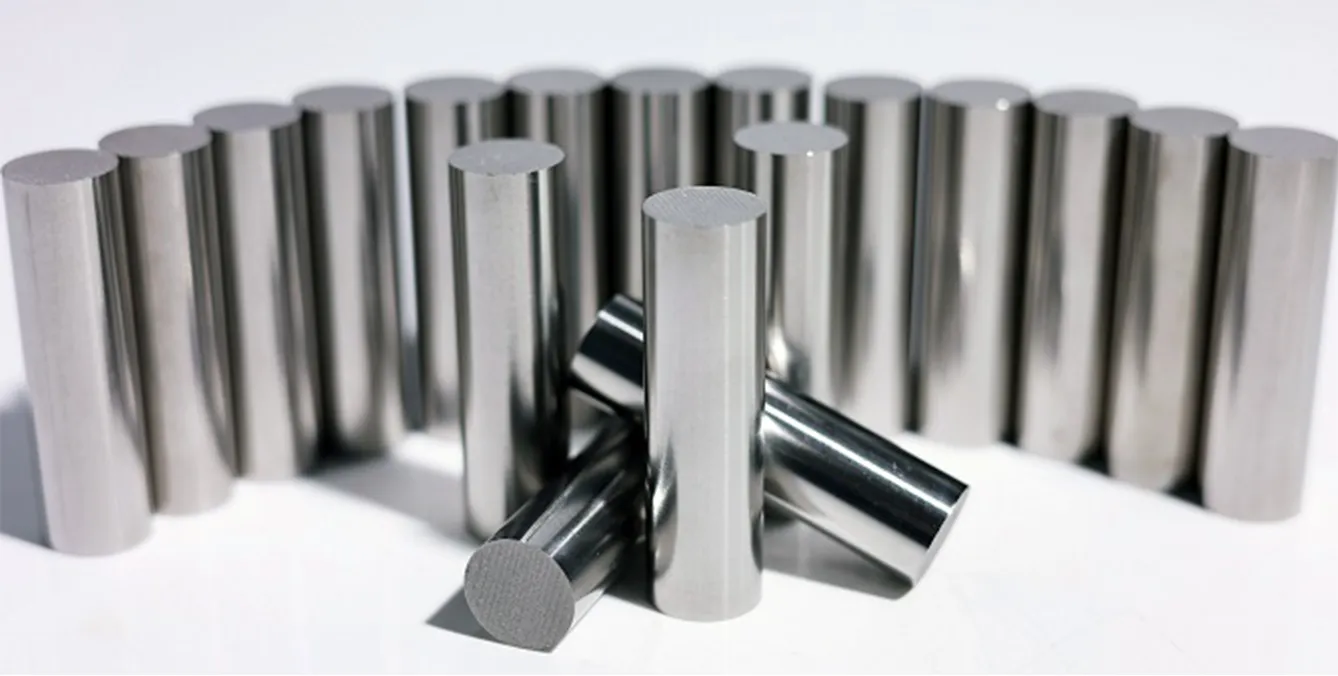
Pure molybdenum rods: High purity (usually ≥99.95%), with the widest range of applications.
Molybdenum alloy rods: Such as Mo-La (lanthanum-molybdenum), Mo-Zr (zirconium-molybdenum), TZM (titanium-zirconium-molybdenum), etc. Alloying can further improve the recrystallization temperature, high-temperature strength and toughness.
High-temperature Furnaces
Core Components of High-temperature Furnaces: Used as heating elements, heat shields, racks (boats) and connecting rods in sintering furnaces and reduction furnaces, withstanding high temperatures directly.
Glass and Ceramic Industry: Employed as melting electrodes and stirring rods, thanks to their non-contaminating property to melts and corrosion resistance to molten glass.
Single Crystal Growth: Applied as heaters and crucible supports in the growth furnaces for sapphire and monocrystalline silicon.
Semiconductor and Photovoltaic Industry
Silicon Crystal Growth: Used as heaters and thermal field shielding components in the Czochralski method (CZ method).
Ion Implantation: Serves as the material for key components of high-energy ion implanters.
Electrical Discharge Machining (EDM)
High-performance Electrodes: Used for machining high-hardness, complex-shaped die steel workpieces, featuring low wear and high precision.
Metal Processing and Additive Manufacturing
Hot Isostatic Pressing (HIP) and Hot Press Sintering Dies: Used for manufacturing powder metallurgy products such as cemented carbide and ceramics.
3D Printing (SLM): Serves as feedstock rods of pure molybdenum or molybdenum alloys for additive manufacturing.
Aerospace and Defense
Prototype or test components for rocket engine nozzles and high-temperature structural parts.
Candidate material for high-temperature components such as wing leading edges.
Medical Devices
Substrate material for rotating anode targets in equipment such as CT scanners and X-ray tubes (often used in combination with tungsten)
Alloy Additives
Used as a molybdenum additive in steelmaking (e.g., high-speed steel, stainless steel)