What is a Molybdenum Heater?
To serve as heating elements, materials must meet multiple stringent requirements simultaneously, and molybdenum and its alloys are the optimal or even the only choice for the temperature range of 1700–2000℃:
Ultra-high melting point (~2620℃): Provides an extremely high upper limit of safe operating temperature.
Suitable and stable electrical resistivity: The resistivity increases with rising temperature (positive temperature coefficient), which facilitates automatic and stable temperature regulation and prevents current runaway.
Excellent high-temperature strength and creep resistance: Maintains its shape during long-term high-temperature operation and resists deformation caused by gravity sagging and thermal stress.
Low vapor pressure: Minimal volatilization occurs under high-temperature vacuum conditions, avoiding contamination of workpieces and the working environment inside the furnace.
Good workability and weldability: Can be processed into complex shapes (e.g., spiral, corrugated) and reliably connected to electrodes.
Depending on furnace types and heating requirements, molybdenum heater mainly adopt the following classic structures, which are designed to optimize thermal field uniformity, improve radiation efficiency and ensure structural stability:
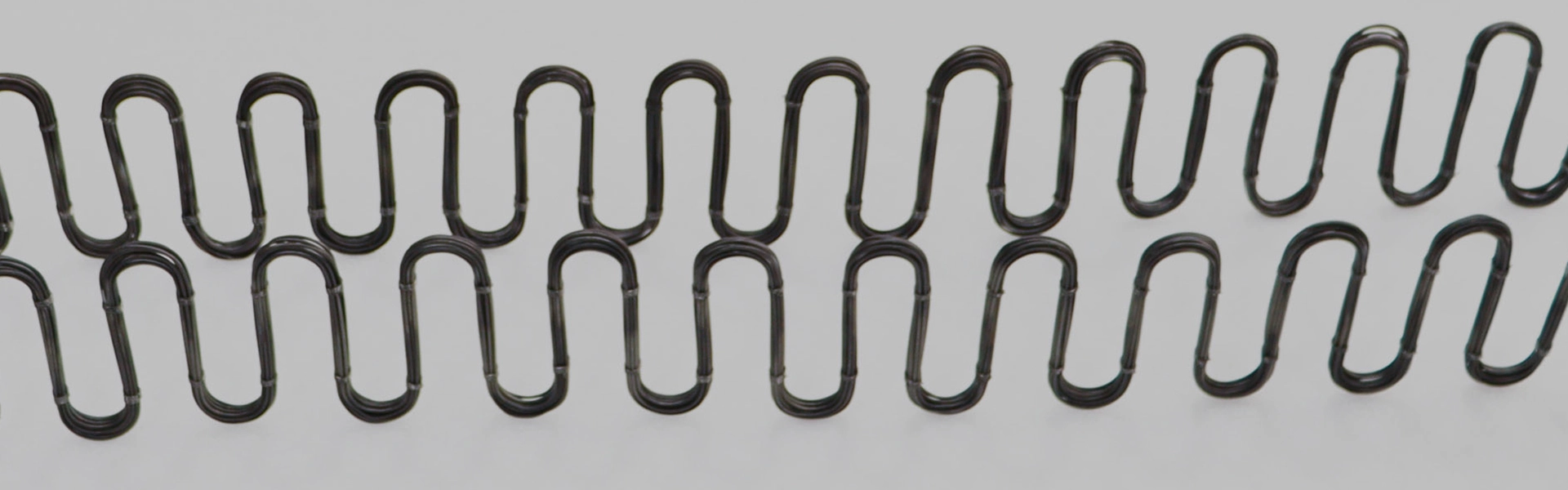
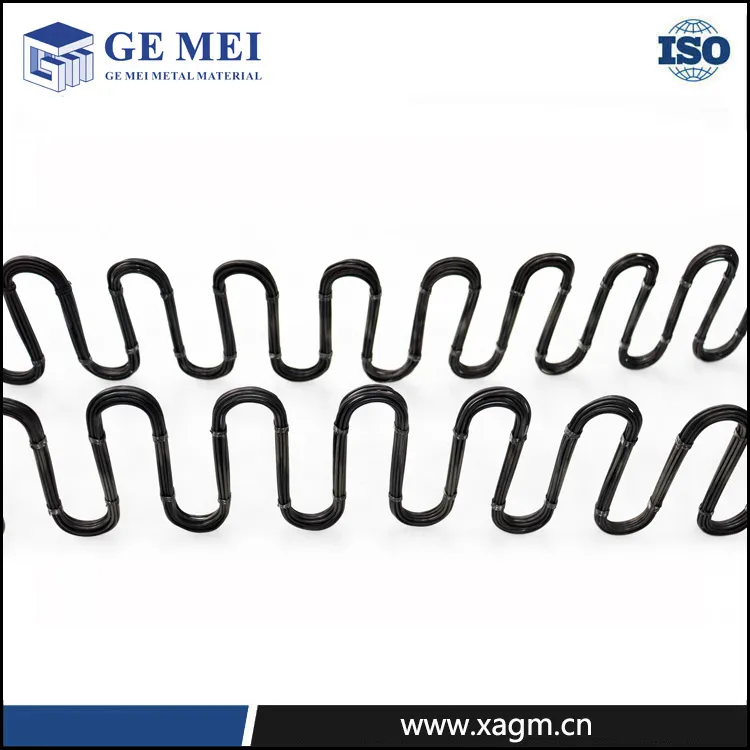
Molybdenum Wire/Rod Spiral Heating Elements
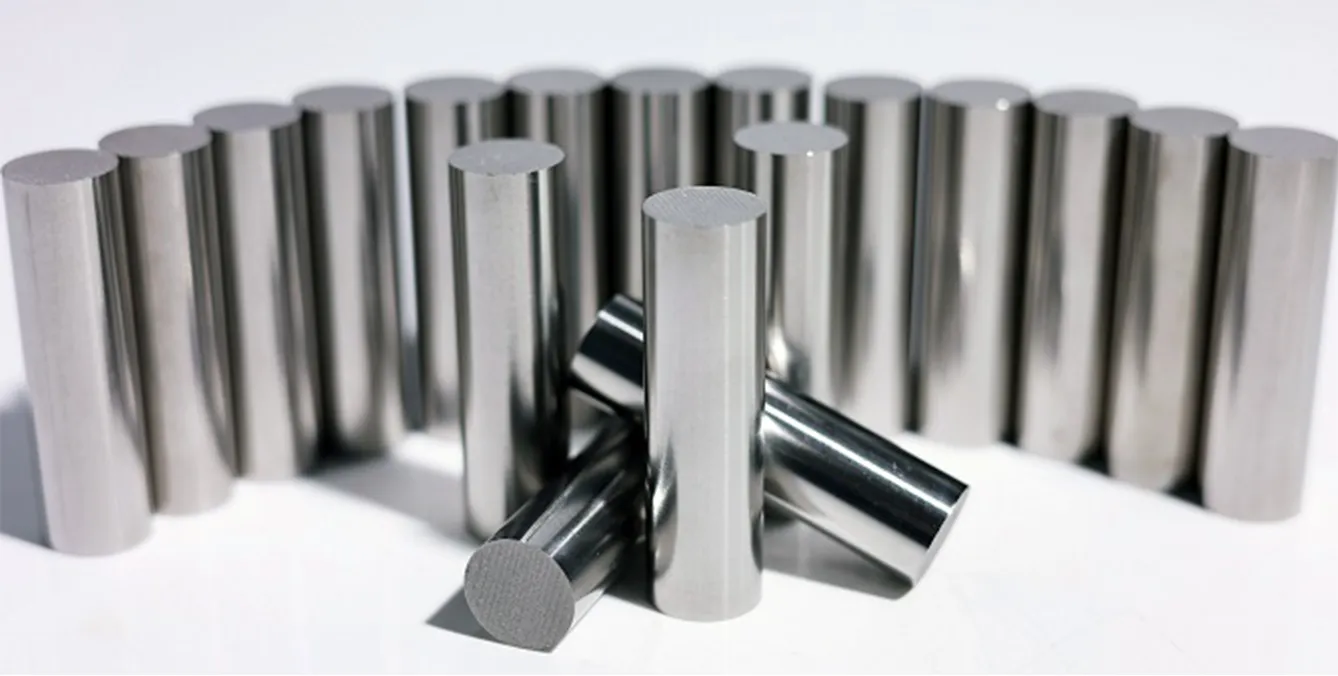
Structure: Molybdenum wires or thin molybdenum rods are wound into spiral tube shapes or vertical spiral shapes.
Features: Fast thermal response, high heating efficiency and large radiation area.
Applications: Widely used in high-temperature tube furnaces and laboratory furnaces under vacuum or hydrogen protective atmosphere.
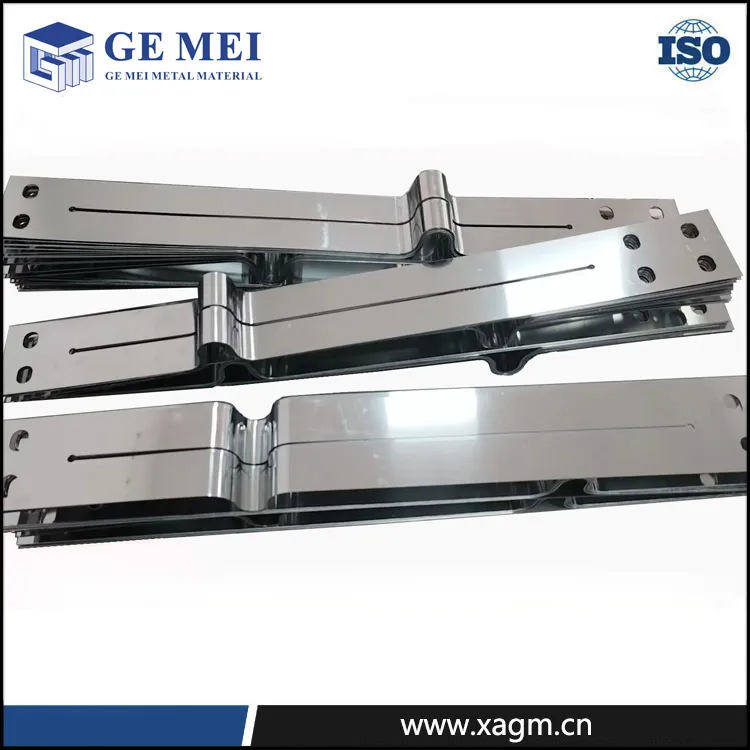
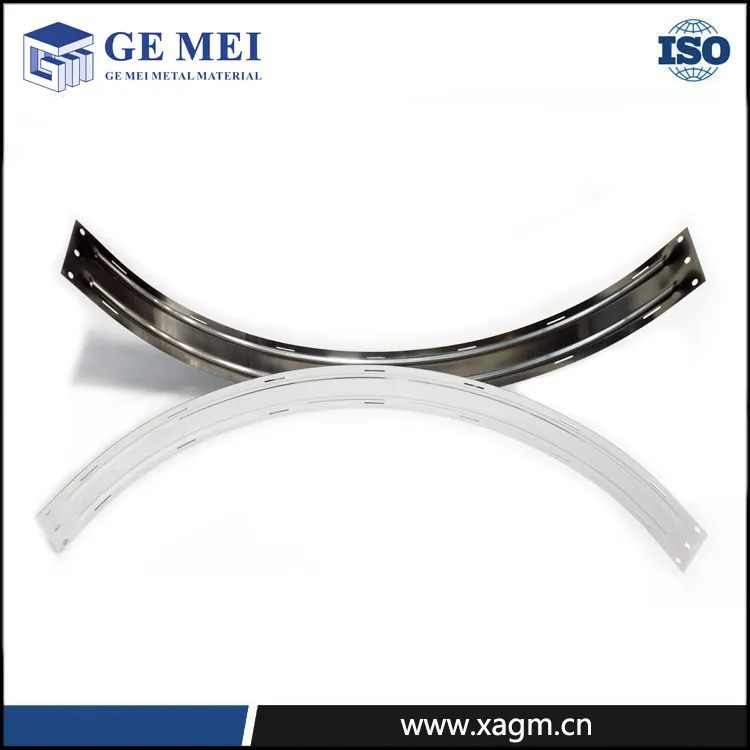
Molybdenum Sheet/Plate Corrugated Heating Elements
Structure: Thin molybdenum plates (sheets) are stamped or folded into continuous zigzag or wave shapes.
Features: Extremely large radiation area, highly uniform thermal field, high mechanical strength and resistance to deformation.
Applications: Thermal fields of high-end vacuum high-temperature furnaces, sintering furnaces (e.g., cemented carbide sintering furnaces) and single crystal growth furnaces.
Molybdenum Cage/Grid Heating Elements
Structure: Grids woven from molybdenum wires or cage structures assembled from molybdenum rods.
Features: Three-dimensional uniform heating, suitable for heating large workpieces or those with complex shapes.
Applications: Large-scale vacuum heat treatment furnaces.
Molybdenum Tubular Heating Elements
Structure: Thick-walled molybdenum tubes are directly used as heating elements, with electric current passing through axially.
Features: Simple structure, and the inner cavity can be used as a uniform temperature zone or working chamber.
Applications: Certain specially designed diffusion furnaces and vertical furnaces.
 English