Xi'an Gemei Metal Material Co., Ltd.

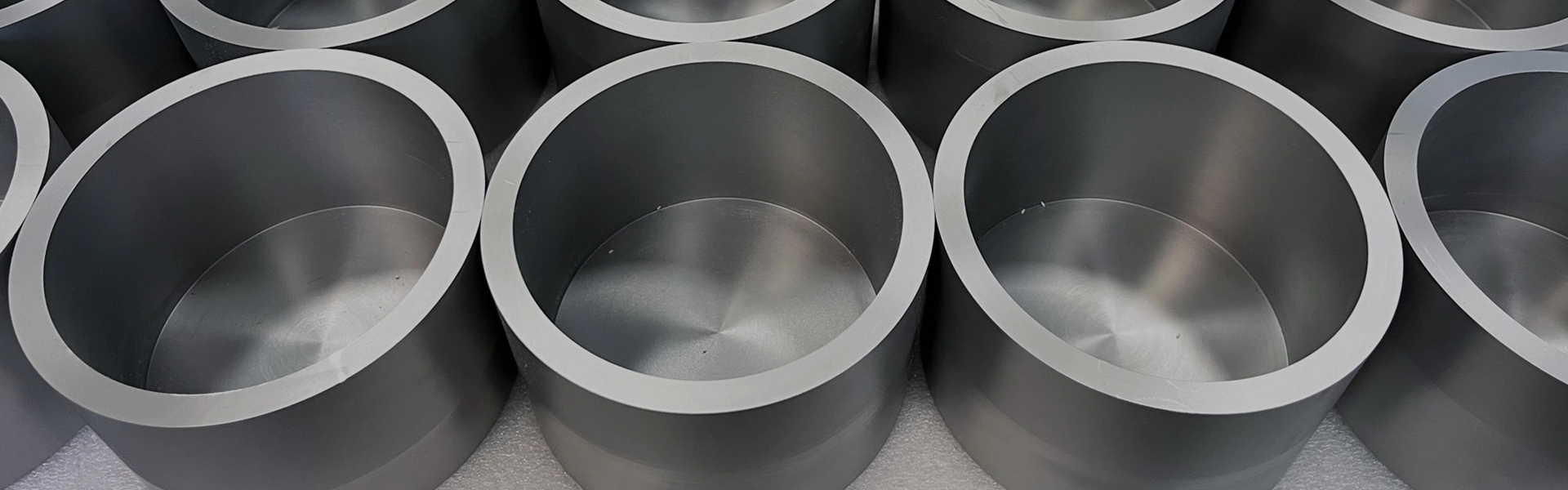
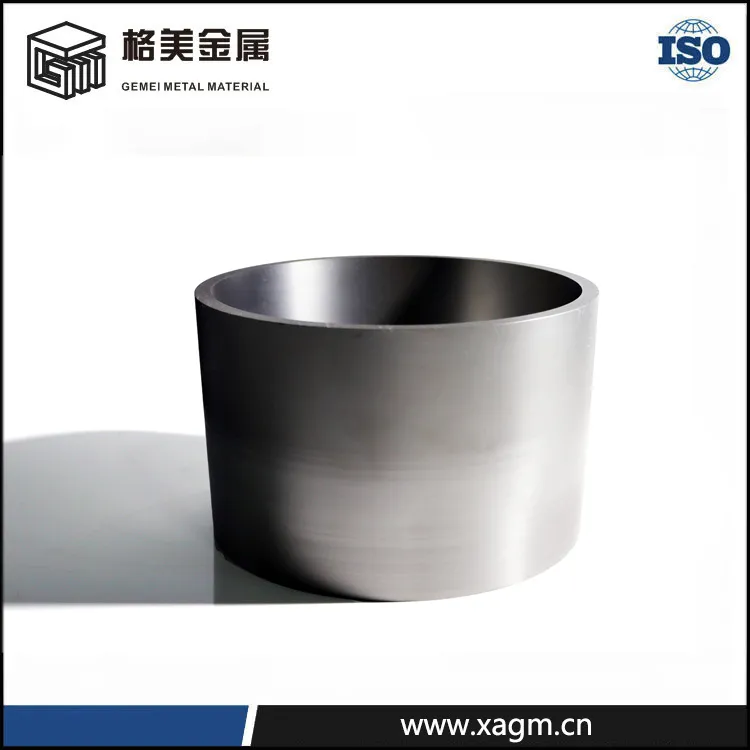
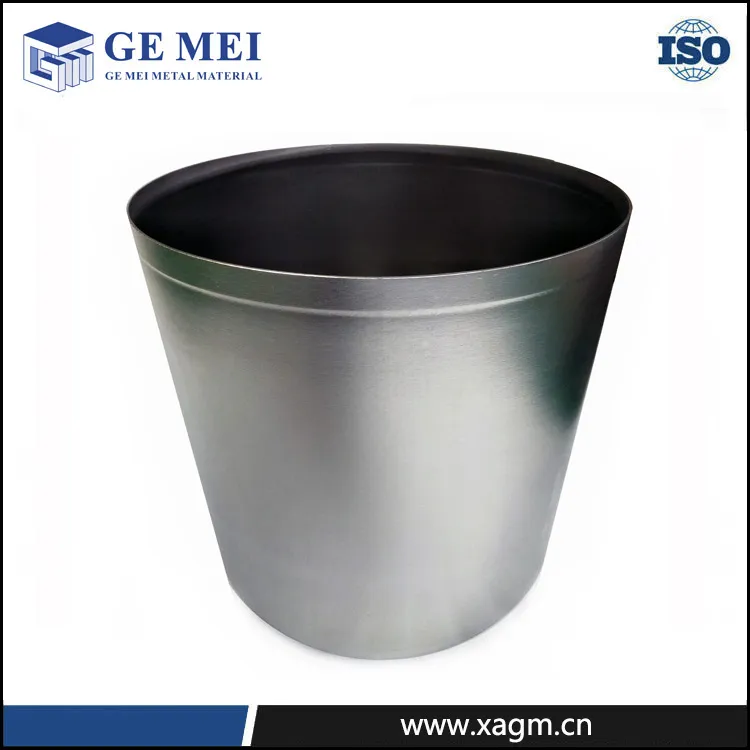
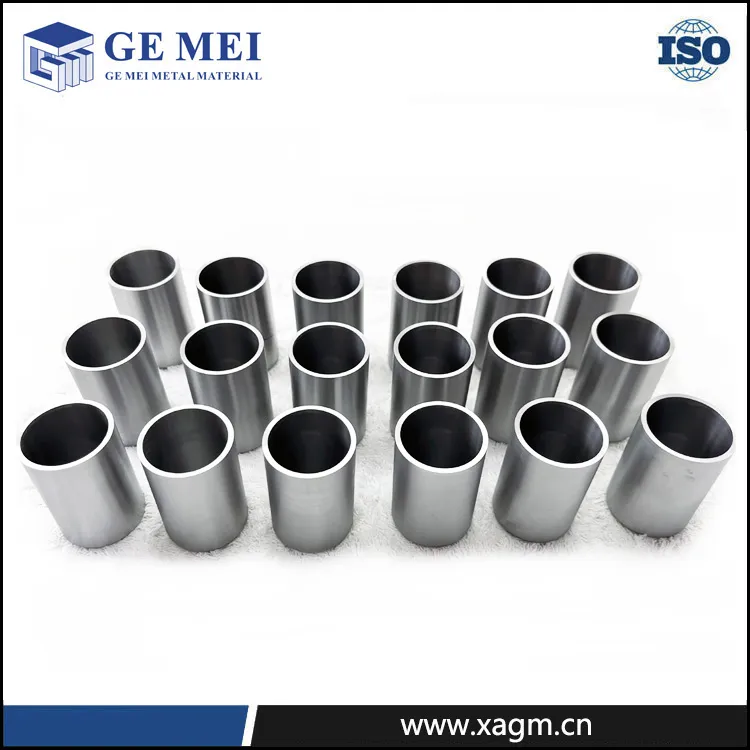
Molybdenum crucibles are key high-temperature vessels made of metallic molybdenum or molybdenum alloys (e.g., TZM), specially designed for melting, purifying, sintering or holding highly reactive and high-melting-point materials in extreme environments. They are not merely simple containers, but also core components that ensure the purity, chemical stability and process success rate of materials at high temperatures.

What is a Molybdenum Crucible?

  • Ultra-high melting point (~2620°C): Can be used safely for long periods in vacuum or inert atmosphere environments at 1600°C–2000°C.


  • Excellent high-temperature strength and creep resistance: When holding molten materials, it can resist deformation and static pressure from the materials, maintaining its geometric shape.


  • Extremely low vapor pressure: Minimal volatilization occurs under high-temperature vacuum conditions, preventing contamination of the melt.


  • Superior corrosion resistance: It has good resistance to many molten metals (e.g., gallium, indium, tin, lithium and alkali metals), non-metals (e.g., sulfur, selenium) and salts.


  • Good thermal conductivity: Ensures uniform and rapid heat transfer to the materials inside the crucible.


  • Availability of high purity: High-purity molybdenum (>99.95%) guarantees the purity of the melted materials.

Molybdenum Crucible Types

Uses of Molybdenum Crucibles

Crystal Growth (Cornerstone of Semiconductor and Optical Crystals)

  • Sapphire Crystal Growth: A core vessel for the Kyropoulos and Heat Exchange Method (HEM), used for growing large-size sapphire single crystals for LED substrates, optical windows, etc.

  • YAG Laser Crystal Growth: Applied to grow laser crystals such as yttrium aluminum garnet.

  • Semiconductor Compound Single Crystals: Serves as a container for holding melts and boron oxide encapsulants in the Liquid Encapsulated Czochralski (LEC) process for materials like gallium arsenide (GaAs) and indium phosphide (InP).


Smelting and Purification of Rare Metals and Alloys

  • Rare Earth Metal Smelting: Smelts rare earth metals including lanthanum, cerium, neodymium and their alloys.

  • High-purity Metal Purification: Used for zone melting purification of high-melting-point metals such as tantalum and niobium.

  • Special Alloy Preparation: Smelts reactive alloys such as titanium-based and zirconium-based alloys (must be processed in vacuum or inert atmosphere).


Photovoltaics and Thin Film Technology

  • CIGS Thin-film Solar Cells: Utilized in the co-evaporation process for holding and evaporating source materials such as copper, indium, gallium and selenium.

  • Vacuum Coating Evaporation Sources: Acts as resistance evaporation boats for holding evaporation materials such as gold, silver and aluminum.


High-temperature Sintering and Powder Metallurgy

  • Special Ceramic Sintering: Serves as sintering plates or saggers for high-performance ceramics such as aluminum nitride and beryllium oxide.

  • Silicon Carbide Crystal Growth: A key component in the Physical Vapor Transport (PVT) process.


Analytical Testing and Scientific Research

  • High-temperature Thermal Analysis: Used as sample holders for Differential Thermal Analysis (DTA) and Thermogravimetric Analysis (TGA).

  • Laboratory-scale Small Smelting: Applied to gram-scale to kilogram-scale experiments for new material exploration.


Get In Touch With Us
For Any Interested Tungsten and Molybdenum Solutions
  • 2026 New Factory Construction Plan
    2026-01-12
    2026 New Factory Construction Plan
    The new factory purchased 42 mu of land on January 1st, 2025. Currently, the factory buildings are under construction and will be officially put into production in March 2026. It will construct factor...
  • Introduction to molybdenum-rhenium Materials
    2024-08-01
    Introduction to molybdenum-rhenium Materials
    Gemei's molybdenum-rhenium materials are high-end alloy materials with high-temperature stability, excellent corrosion resistance and high strength. Inheriting the high melting point advantages of...
  • Introduction to MHC Materials
    2024-08-01
    Introduction to MHC Materials
    1. Performance Description1.1 Outstanding high-temperature mechanical properties: MHC materials (a type of high-performance metal matrix composite) maintain excellent tensile strength, creep resistanc...
  • Introduction to Gemei's TZM Alloy Materials
    2024-08-01
    Introduction to Gemei's TZM Alloy Materials
    1. Performance Description1.1 Excellent high-temperature mechanical properties: TZM alloy (titanium-zirconium-molybdenum alloy) maintains high tensile strength and hardness in high-temperature environ...
We use cookies to offer you a better browsing experience, analyze site traffic and personalize content. Part of the tracking is necessary to ensure SEO effectiveness,
By using this site, you agree to our use of cookies. Visit our cookie policy to learn more.
Reject Accept