Vacuum Coating Industry (Core Application)
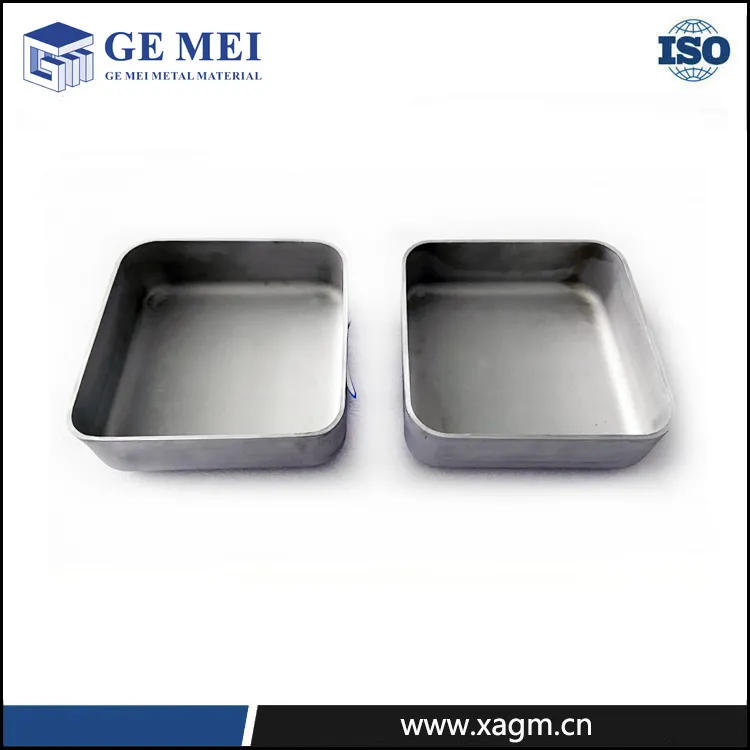
Resistance Evaporation Source (Evaporation Boat): This is the most classic application of molybdenum boats. In the production of vacuum aluminum coating (e.g., capacitor films, packaging films), aluminum wires are placed on molybdenum boats. When electric current is applied, the molybdenum boats heat up themselves (up to over 1300℃), causing the aluminum to melt and evaporate rapidly, then deposit onto the substrate. Molybdenum boats are the ideal choice due to their high melting point, good electrical conductivity and non-reactivity with aluminum.
Evaporation of Other Metals: Also used for evaporating metals such as silver, gold and zinc.
Powder Metallurgy and Ceramic Sintering
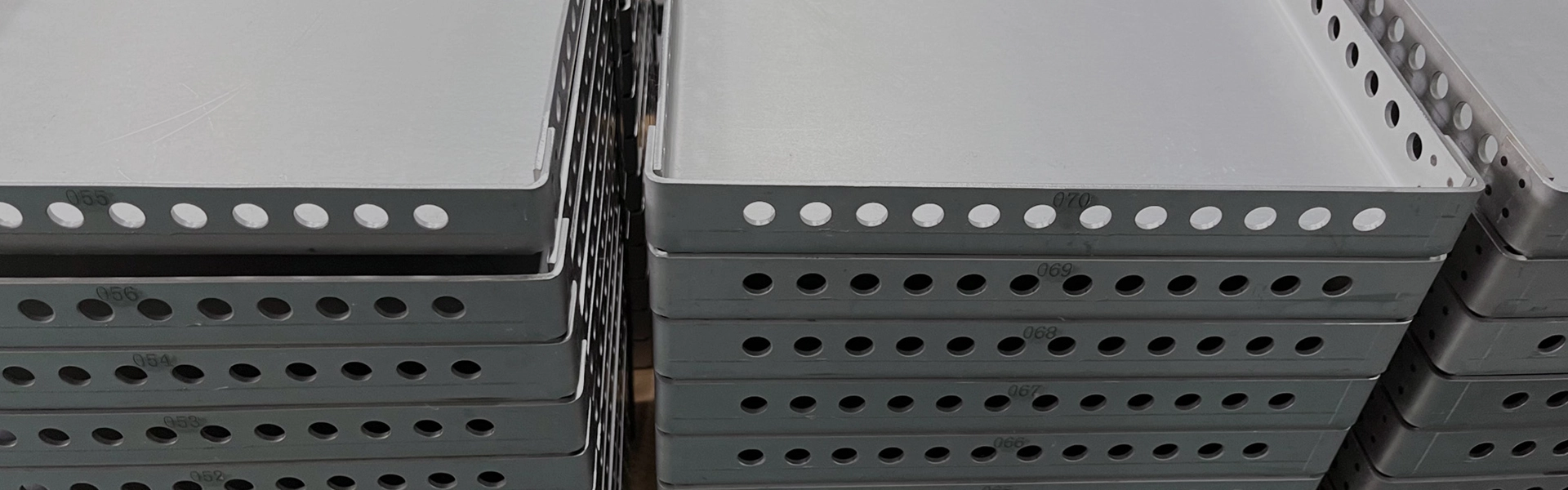
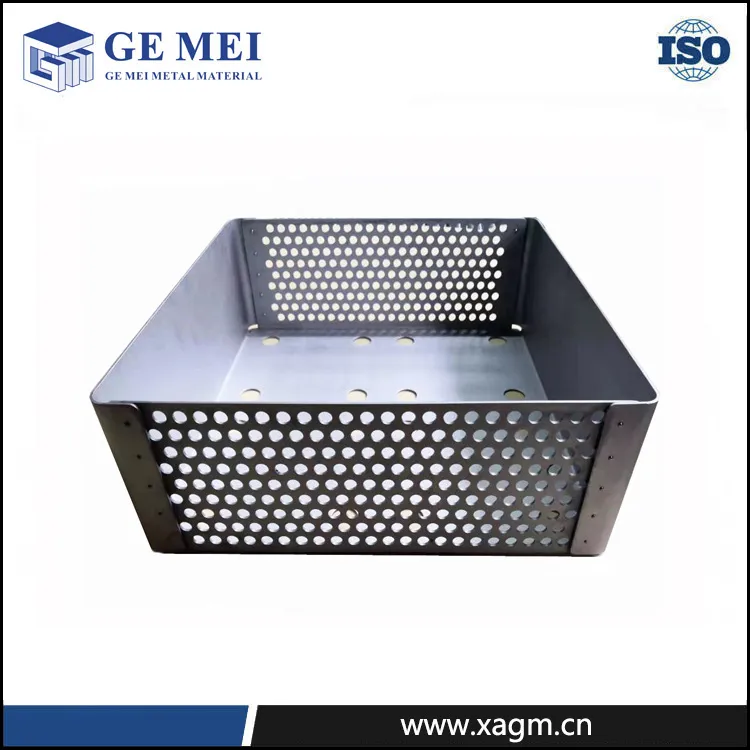
Sintering Carrier Boat: In high-temperature sintering furnaces (e.g., pusher kilns, roller kilns), it is used to hold compacts of ceramic powders (e.g., silicon nitride, aluminum oxide), cemented carbide inserts or magnetic materials (e.g., neodymium iron boron) for batch sintering. Its flat bottom ensures uniform temperature distribution.
Reduction/Carbonization Processes: Serves as a carrier container for metal oxide reduction or carbide production.
Semiconductor and Photovoltaic Industry
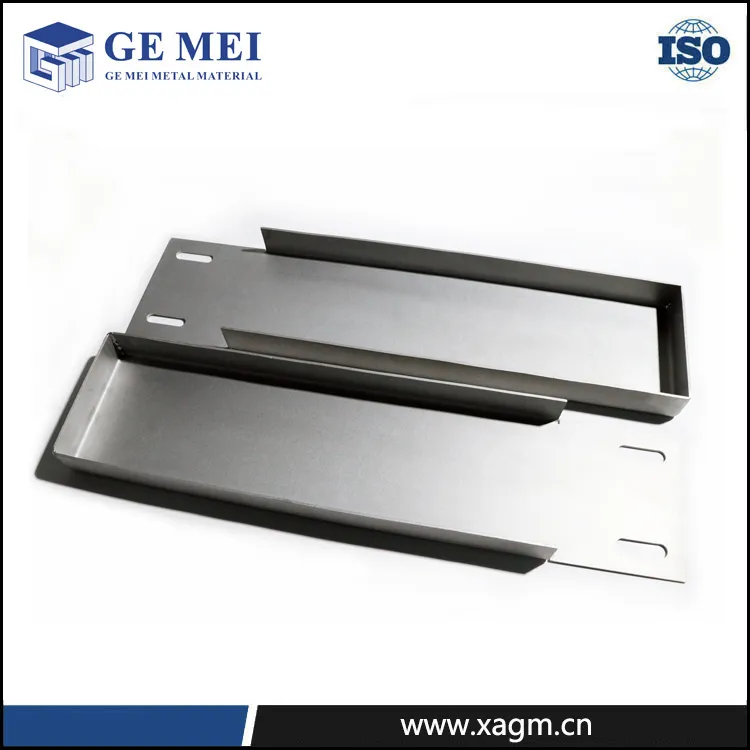
Boats/Paddles for Diffusion Furnaces: Used to hold silicon wafers and transport them into high-temperature furnace tubes during the silicon wafer diffusion doping (phosphorus, boron) process.
Photovoltaic Material Processing: Applied in the annealing or sintering of thin-film solar cell materials such as cadmium telluride (CdTe) and copper indium gallium selenide (CIGS).
Analytical Testing and Laboratories
Sample Holders for Thermal Analysis: Used in thermogravimetric analysis (TGA) to hold samples for high-temperature weight loss testing.
Small-scale Experimental Sintering: Applied in gram-scale experiments for new material research and development.
Glass and Gemstone Industry
 English