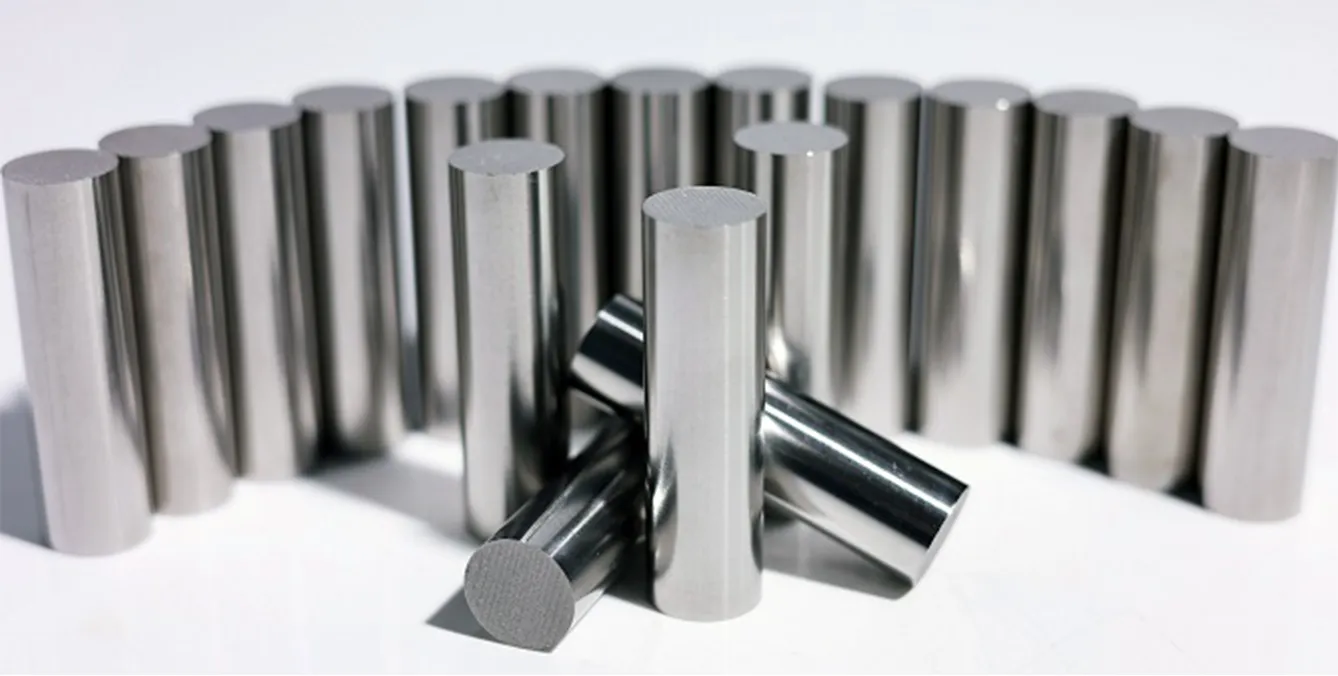
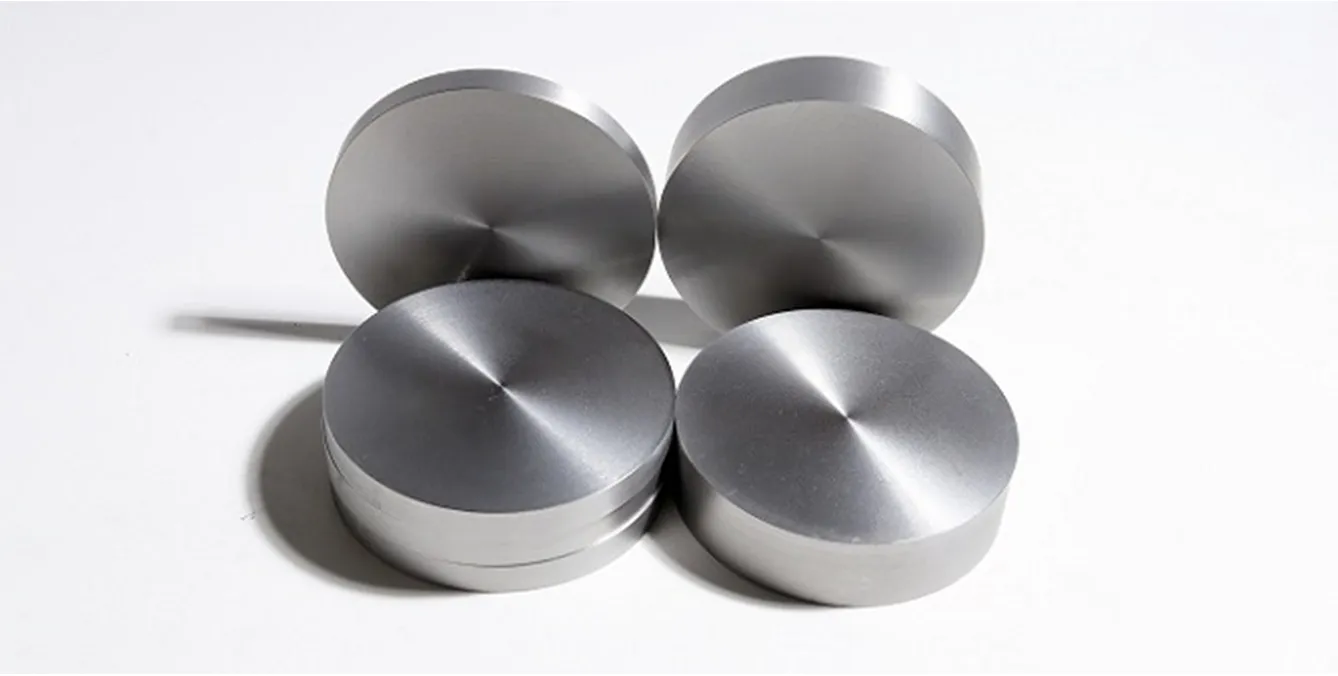
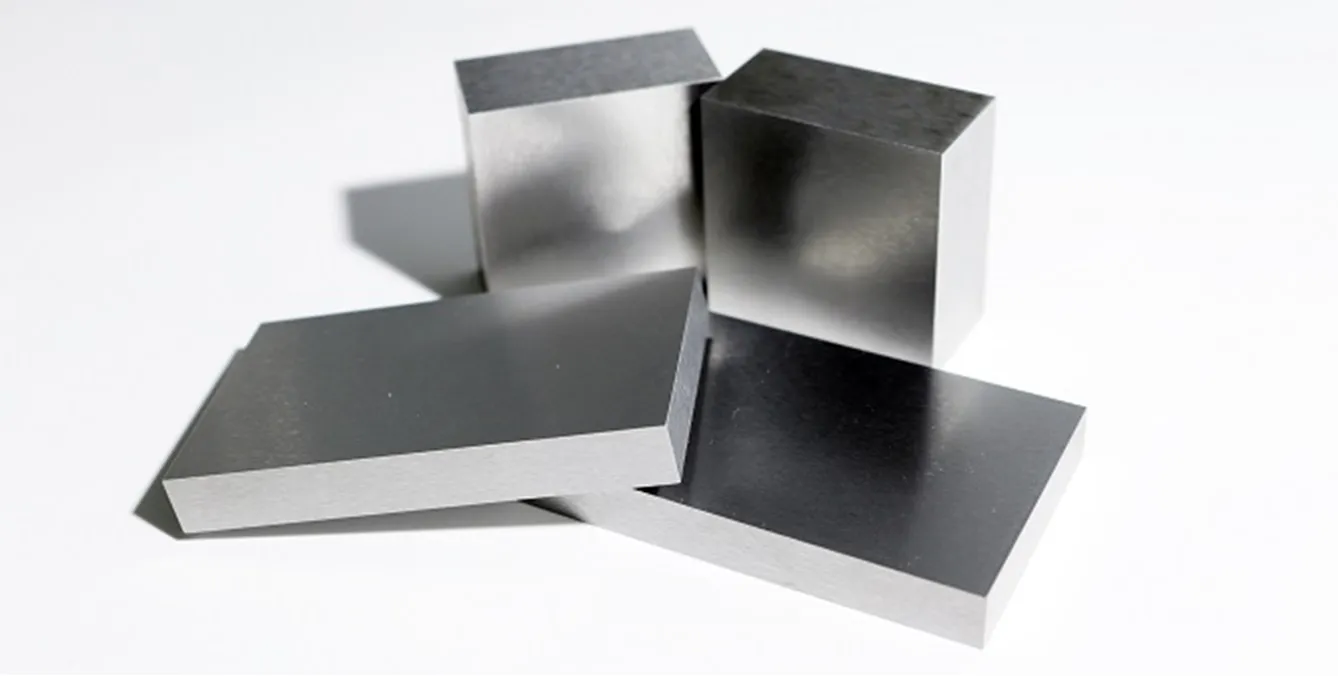
What Types of Molybdenum Alloys Do We Have?
Characteristics | TZM Alloy | Molybdenum-Lanthanum Alloy | MHC Alloy | Molybdenum-Rhenium Alloy |
Main Alloying Elements | Ti (0.5%), Zr (0.1%), C | La₂O₃ (1-2%) | Hf (1-2%), C | Re (41-50%) |
Strengthening Mechanism | Precipitation strengthening (TiC, ZrC) | Oxide dispersion strengthening (La₂O₃) | Precipitation strengthening (HfC) | Solid solution strengthening (Re dissolved in Mo |
Core Advantages | Optimal comprehensive performance: high-temperature strength, excellent creep resistance, high recrystallization temperature | Good ductility after recrystallization: strongest resistance to high-temperature grain coarsening | Highest extreme high-temperature strength: most outstanding creep resistance
| Most significant ductility improvement: greatly reduces the ductile-brittle transition temperature, excellent weldability |
Key Disadvantages | Poor high-temperature oxidation resistance, requires coating | Absolute high-temperature strength lower than TZM/MHC | Difficult to process, extremely high cost | Extremely expensive, increased density |
Main Applications | High-temperature structural components (nozzles, dies), nuclear components
| High-temperature furnace heating elements, heat shields, electronic components | Ultra-high-temperature service components (aerospace propulsion) | Aerospace precision components, space reactors, electronic devices |
TZM Alloy:
Composition & Mechanism: Centered on carbide precipitation strengthening. Trace amounts of Ti and Zr react with C to form nanoscale TiC and ZrC particles, which can effectively pin dislocations and grain boundaries, hindering deformation and grain growth at high temperatures.
Performance Characteristics:
High-temperature strength: In the range of 1200–1500℃, its strength is over 1.5 times that of pure molybdenum.
High recrystallization temperature: Approximately 1400℃, enabling it to maintain an unrecrystallized, strong and tough state at higher temperatures.
Good thermal conductivity and thermal shock resistance.
Application Scenarios: Thanks to its excellent strength, creep resistance, workability and relatively controllable cost, it has become the most widely used molybdenum-based structural material.
Examples: Throat liners and gas rudders of rocket engines, high-temperature hot pressing/extrusion dies, divertor target plates of nuclear fusion devices.
Molybdenum-Lanthanum Alloy: The "Expert" in Recrystallization Resistance
Composition & Mechanism: Belongs to rare earth oxide dispersion strengthening. Ultra-fine La₂O₃ particles are uniformly dispersed in the molybdenum matrix, exerting a strong pinning effect on grain boundaries.
Performance Characteristics:
Ultra-high recrystallization temperature: Up to 1800℃ or above, far exceeding that of other alloys.
Unique recrystallized structure: After recrystallization, interlocking swallowtail-shaped grown grains are formed, avoiding brittle intergranular fracture and maintaining good ductility even after high-temperature service.
Excellent electron emission performance.
Application Scenarios: Its core advantage lies in dimensional stability and ductility retention after long-term high-temperature service.
Examples: Heating elements and heat shields of high-temperature vacuum furnaces, thermal field components of sapphire crystal growth furnaces, electrodes of microwave tubes.
MHC Alloy: The "King" of High-Temperature Strength
Composition & Mechanism: A high-strength upgraded version of TZM. Hf (hafnium) is used to replace Ti/Zr, forming a more stable and high-temperature-resistant HfC precipitation phase.
Performance Characteristics:
Unmatched extreme high-temperature strength and creep resistance among all molybdenum alloys, with distinct advantages especially above 1500℃.
Recrystallization temperature is equivalent to or slightly higher than that of TZM.
Disadvantages: Hf has high activity, requiring stricter process control; it has poor workability and extremely high cost.
Application Scenarios: For applications with extreme requirements for high-temperature strength where cost is not the primary consideration.
Examples: Key components of next-generation high thrust-to-weight ratio rocket engines, structural parts of ultra-high-temperature experimental devices.
Molybdenum-Rhenium Alloy: The "Wonder" of Low-Temperature Ductility
Composition & Mechanism: Relies on solid solution strengthening. High-content Re atoms dissolve into the molybdenum lattice, significantly altering its electronic structure and dislocation movement characteristics.
Performance Characteristics:
Special ductility enhancement: Can greatly reduce the ductile-brittle transition temperature of molybdenum, enabling the alloy to maintain good ductility even at room temperature or low temperatures and facilitating cold working.
Significantly improves the ductility of welded joints, solving the problem of weld cracking in molybdenum welding.
High strength and high electrical resistivity.
Critical disadvantage: Re is a rare and precious metal with an extremely high price, which severely limits its application.
Application Scenarios: For cutting-edge fields with extreme requirements for ductility, reliability and weldability.
Examples: Bellows of satellite attitude control thrusters, core components of space probes, high-reliability components of space nuclear reactors, special electronic devices.
 English