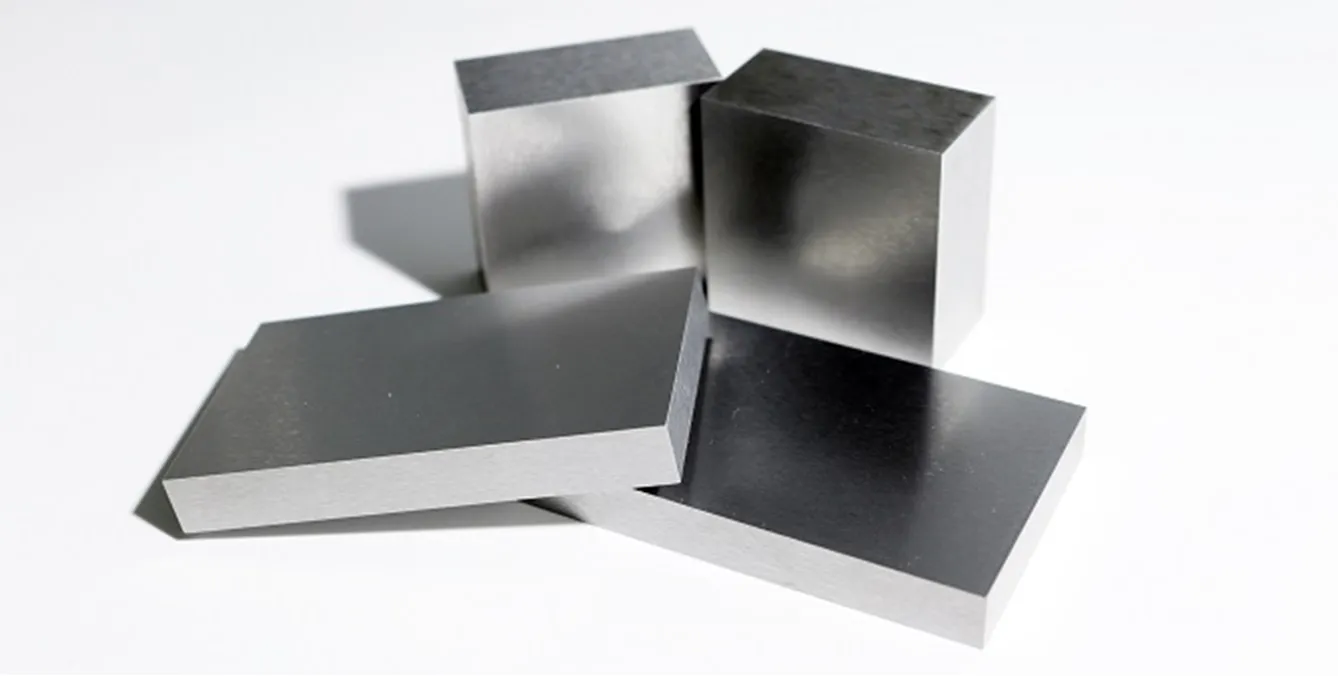
High Melting Point: Molybdenum (2620°C) and tungsten (3410°C) have melting points far higher than those of common metals such as iron, nickel, and cobalt, enabling them to operate stably at 1600°C–2200°C or even higher temperatures.
High-Temperature Strength: They retain structural strength and shape at high temperatures, resisting deformation and collapse.
Low Vapor Pressure: They are not prone to volatilization in high-vacuum and high-temperature environments, which prevents contamination of the furnace atmosphere and products while extending the furnace service life.
They are suitable for applications in the following fields:
Powder Metallurgy: Vacuum sintering of cemented carbides, high-density tungsten alloys, and cermets.
Semiconductor Industry: Crystal growth of semiconductor materials such as monocrystalline silicon and gallium arsenide.
Aerospace: Heat treatment and brazing of superalloy blades.
Research Institutes: Research on the synthesis and sintering of new materials (e.g., ceramics, composite materials).
Specialty Glass Melting: High-temperature melting of optical glass and specialty glass.
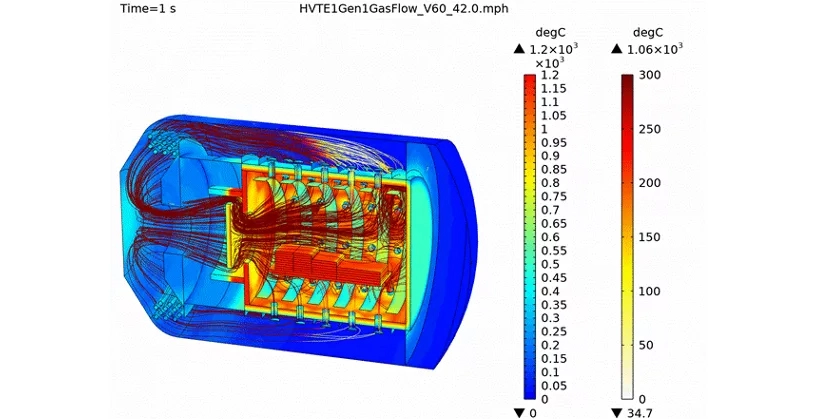
Our cross-divisional engineering team is a true specialist in furnace construction. Whether it's a coating system, annealing furnace, or sintering furnace, we are familiar with all high-temperature processes. Depending on the atmosphere, throughput time, and temperature, we will work with you to find the best solution for your furnace. To make sure every detail is correct in the finished hot zone, we use FE analyses to simulate the behavior of the hot zone in practice.
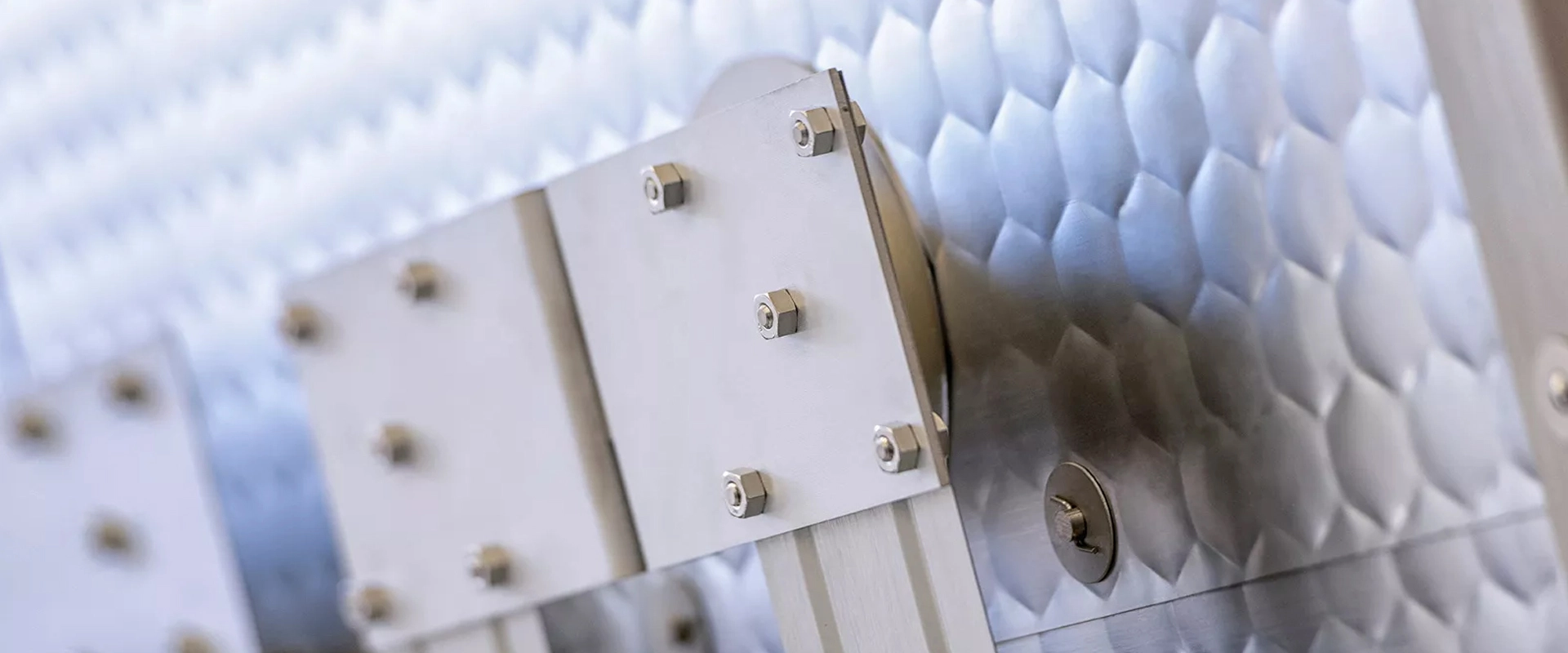
In the case of complex projects, our engineering team models 3D drawings on the computer. Even before it is put to use, everything is tested, right down to the last screw. Our team prides itself on finding innovative solutions for your applications. Until now, heating elements have had a planar design. With one disadvantage: these heating elements begin to sag very quickly under high temperatures in very large furnaces. This results in short-circuits, cracks, and therefore failures. The new design, patented by Plansee, is curved, thereby preventing sagging.