| Property | Specific Data and Standard Conditions | Notes and Comparison |
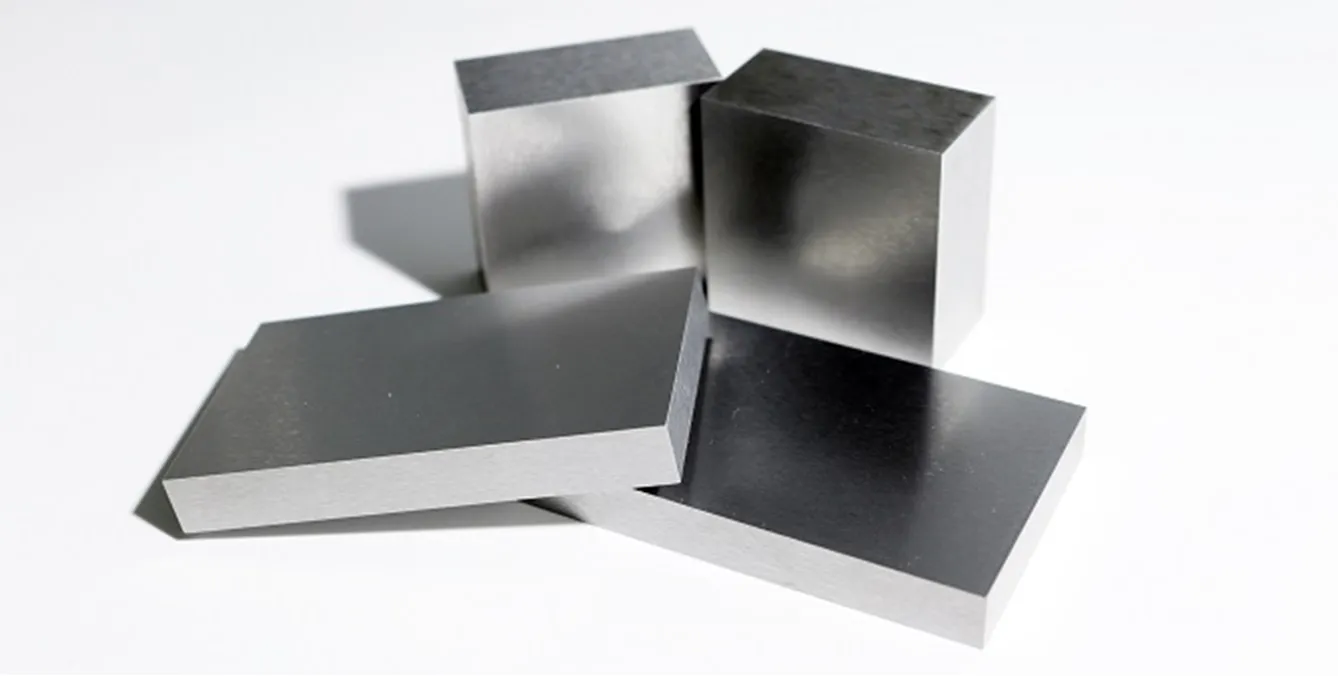
| Appearance | Silver-gray metal, hard in texture, and presents a bright metallic luster after polishing | Appearance is similar to that of tungsten, but its color is slightly lighter. |
| Density | 10.22 g/cm³ (20°C) | Approximately 53% that of tungsten (19.25 g/cm³), and is classified as a "lightweight" material among refractory metals. |
| Melting Point | 2623°C (4753°F) | Ranks sixth among all metals, which serves as the foundation for its excellent high-temperature performance |
| Boiling Point | 4639°C (8382°F) | - |
| Mohs Hardness | 5.5 | Softer than tungsten (7.5) and easier to machine |
| Young's modulus | ~329 GPa | High rigidity, strong deformation resistance, and its stiffness are superior to those of steel. |
| Thermal conductivity | 138 W/(m·K) (20°C) | Excellent thermal conductivity, which is more than 80% that of copper, making it highly suitable for use as a heat sink material. |
| Coefficient of thermal expansion | 4.8 × 10⁻⁶ /K (20°C) | Close to that of tungsten (4.5) and special glass, making it suitable for use as a glass-to-metal seal material. |
| Resistivity | 5.3 nΩ·m (20°C) | Comparable to that of tungsten (5.4), relatively low resistivity. |
We deeply recognize the exceptional value of molybdenum as a critical strategic metal and maximize its performance to the fullest. The advantages of our molybdenum products stem from our uncompromising pursuit of material purity, comprehensive performance, and batch stability.
We adopt advanced smelting and processing technologies to ensure the molybdenum materials we provide have extremely high purity. Extremely high purity translates to better high-temperature strength, superior creep resistance, and excellent corrosion resistance. This enables our molybdenum materials to maintain stable and reliable performance even in harsh high-temperature or corrosive environments, making them an ideal choice for high-end applications such as semiconductor manufacturing and high-temperature furnace thermal field components.
Molybdenum has a high melting point of 2620°C, which, though slightly lower than that of tungsten, is sufficient to handle most extreme high-temperature scenarios. At the same time, its density of 10.2 g/cm³ is much lower than that of tungsten, achieving a perfect balance among strength, hardness, and lightweight properties. This unique combination of properties allows our molybdenum products to demonstrate irreplaceable value in fields that require simultaneous consideration of heat resistance, structural strength, and weight reduction needs, such as aerospace structural components and core components of high-performance automobiles.
We strictly control every process from powder to finished product, ensuring that the product maintains a high level of batch stability in terms of grain size, mechanical properties, and dimensional tolerance. This consistent quality from start to finish provides a predictable and dependable material foundation for your thermal management systems and high-temperature structural designs, significantly improving the yield rate of your products and their reliability in long-term use.
As an important refractory metal, molybdenum is not as well-known as tungsten, but it plays an indispensable role in modern industry by virtue of its unique and balanced combination of properties. Its core value lies in the perfect integration of excellent high-temperature performance, outstanding thermal management capabilities, and unique lightweight strength.
In terms of characteristics, molybdenum has a high melting point of 2623°C. Although slightly lower than that of tungsten, it is sufficient to withstand most extreme high-temperature environments. Its density of 10.2 g/cm³ is much lower than that of tungsten, achieving an excellent balance between strength and lightweight properties. More importantly, molybdenum possesses both excellent thermal conductivity and an extremely low thermal expansion coefficient, allowing it to efficiently dissipate heat at high temperatures while maintaining high dimensional stability. Additionally, it also has good corrosion resistance and a relatively high elastic modulus.
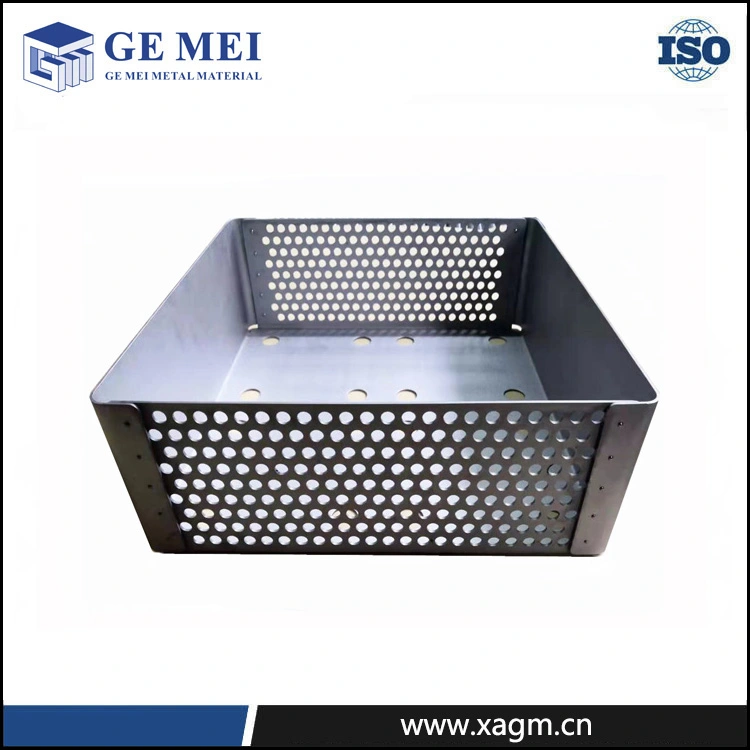
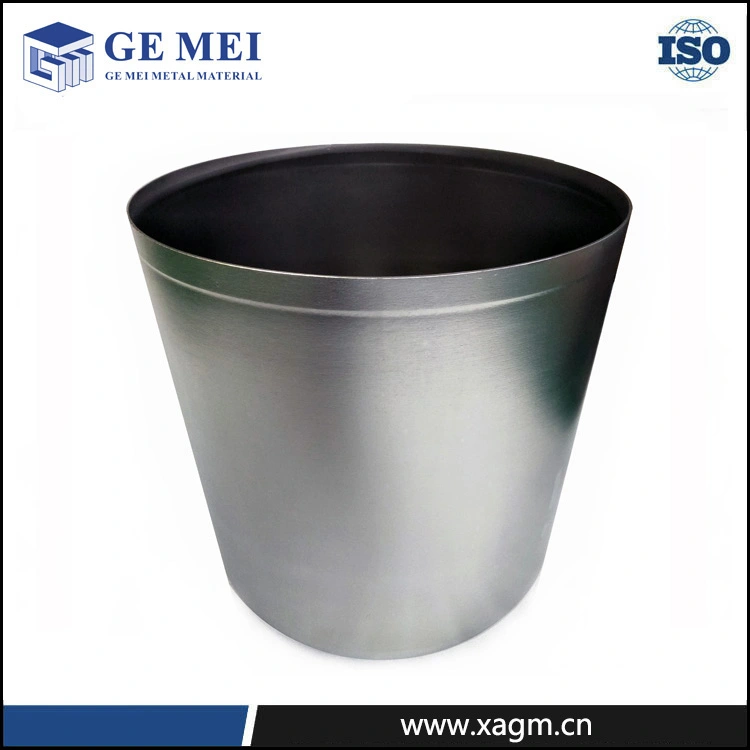
These properties directly translate into a wide range of critical applications: Leveraging its high melting point and strength, molybdenum is widely used to manufacture heating elements, heat shields, and sintering plates for high-temperature furnaces. Utilizing its high thermal conductivity and low thermal expansion, it serves as the ideal heat sink (heat dissipator) and packaging material for high-power semiconductor chips, ensuring the stable operation of electronic devices. In the aerospace and defense sectors, its lightweight and high-strength characteristics are employed to produce weight-sensitive high-temperature structural components. Additionally, as an alloying additive (e.g., in alloy steels and stainless steels), it significantly enhances the strength, toughness, and corrosion resistance of steel.